









Above is an image of my studio apartment at Sanskriti in New Delhi. After a long airplane journey I arrived at Sanskriti midday on Saturday. Delhi is very crowded and polluted city and Sanskriti is something of an oasis on the outskirts of Delhi. Sanskriti Kendra was founded as a cultural institution to support the traditional Indian arts as well as contemporary international and Indian artists. It is a very pretty place that was built in the 90’s by Mr. O.P. Jain, who is a Jain. He is a tall and elegant man in his 80’s who comes to Sanskriti most every day.
These are beautiful grounds: 3 museums (terracotta, textile and everyday objects,) artist studios and apartments, ponds and gardens, and many other facilities on the 7 acres. It is very sweet and I feel quite comfortable here. There are several artists here from all over the place: Korea, Australia, Holland, England and from different parts of India. Very nice people and delicious vegetarian food.
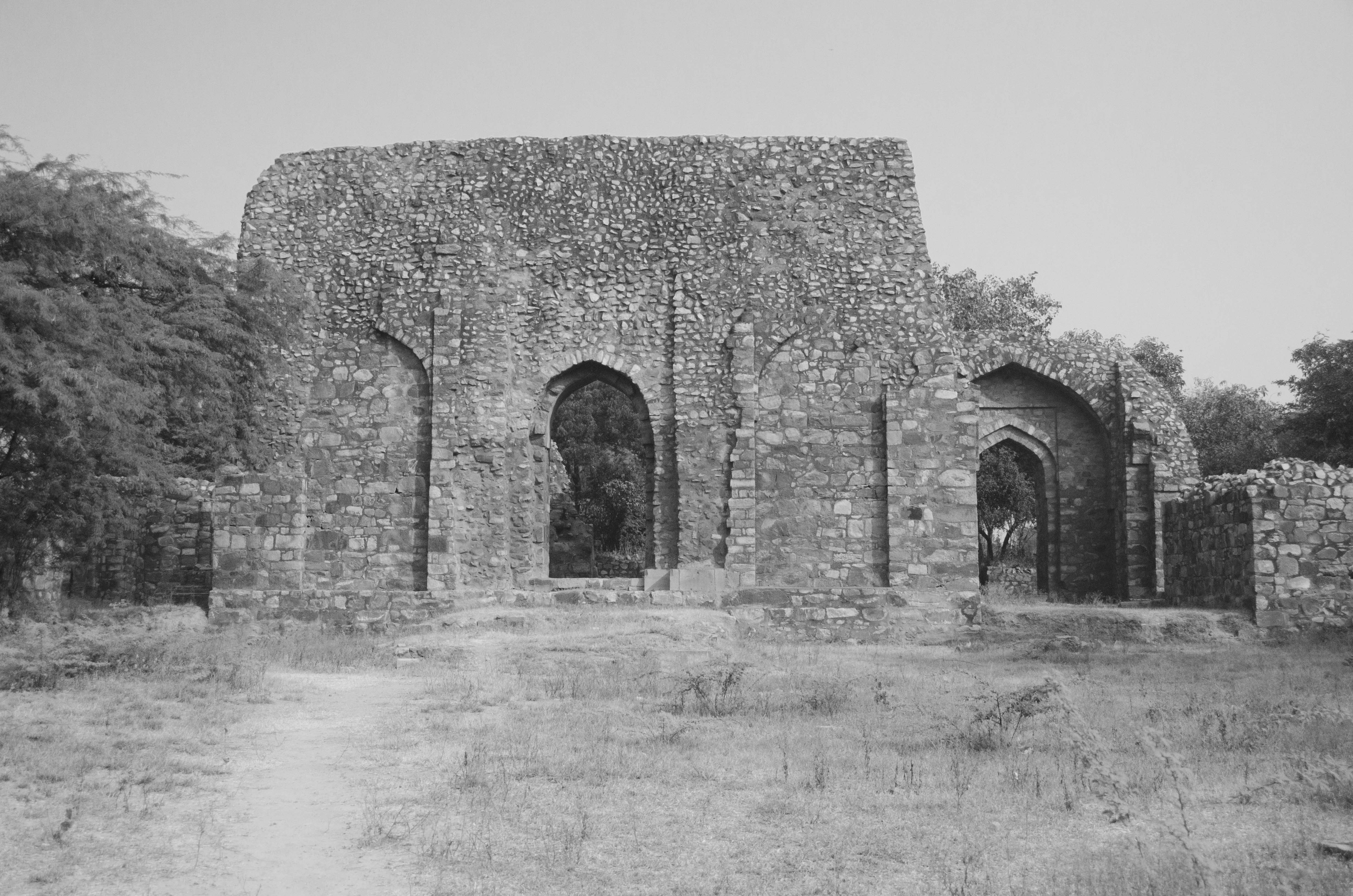
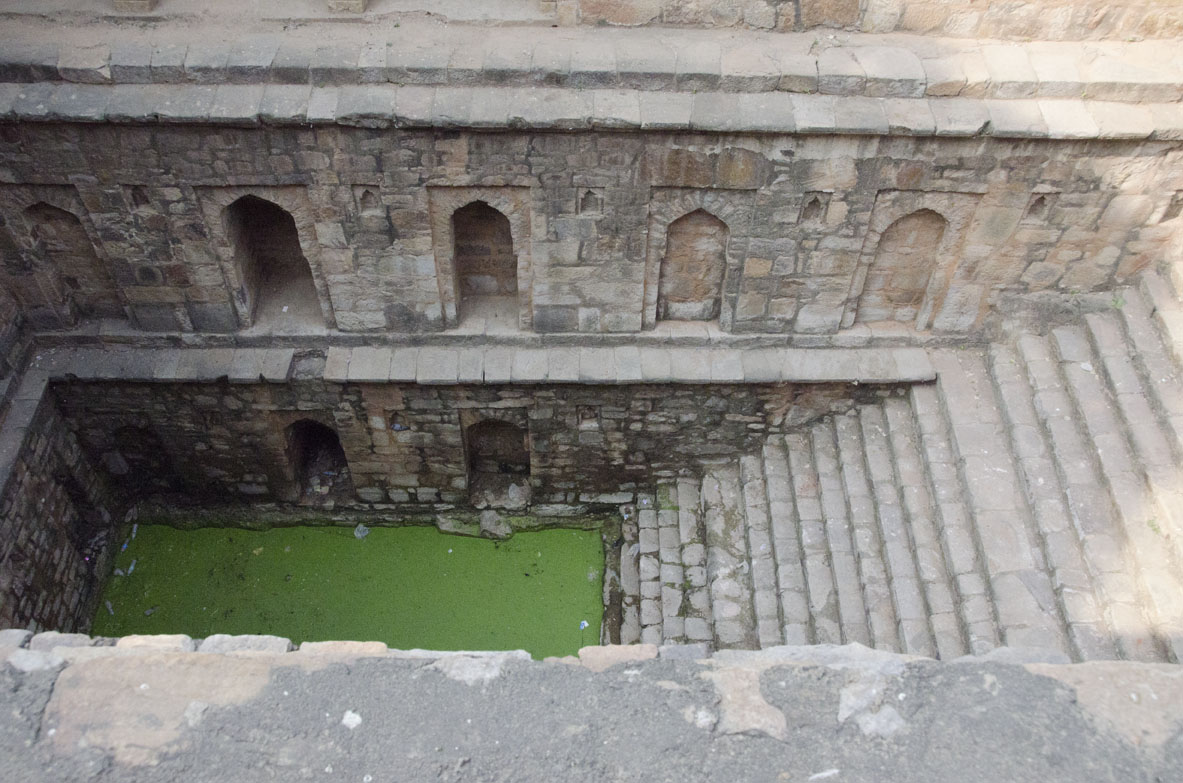
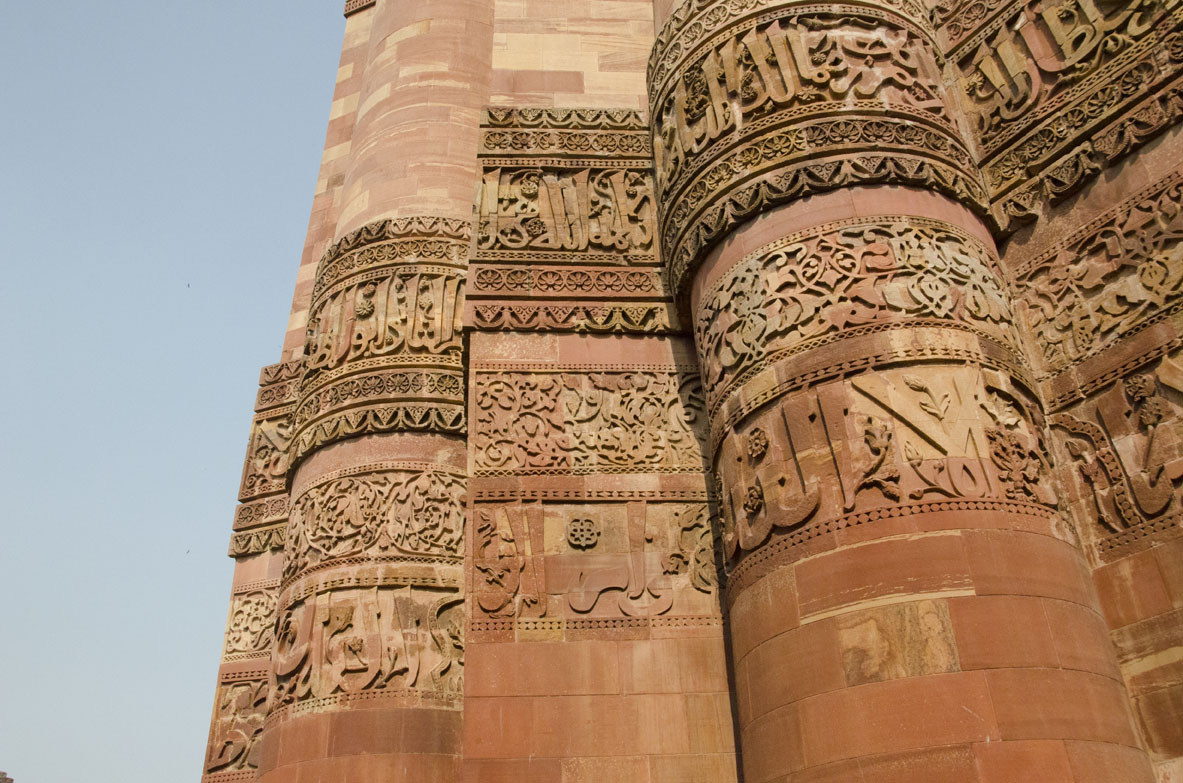
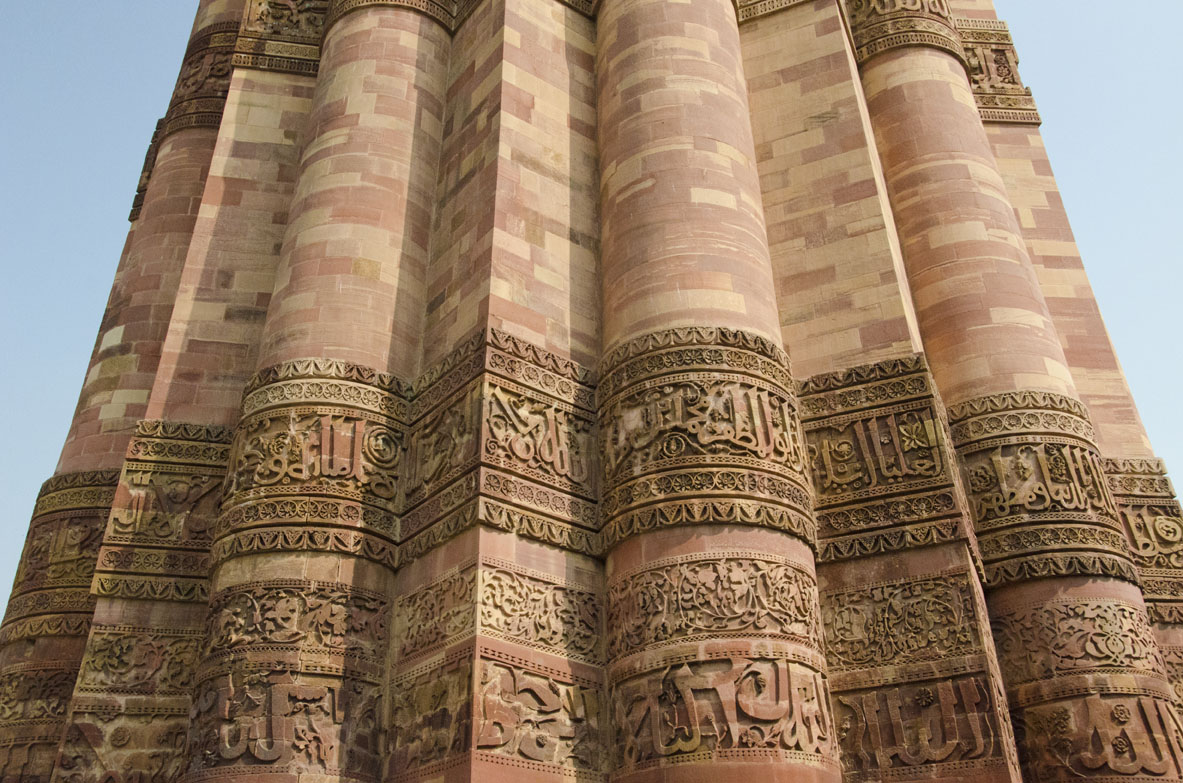
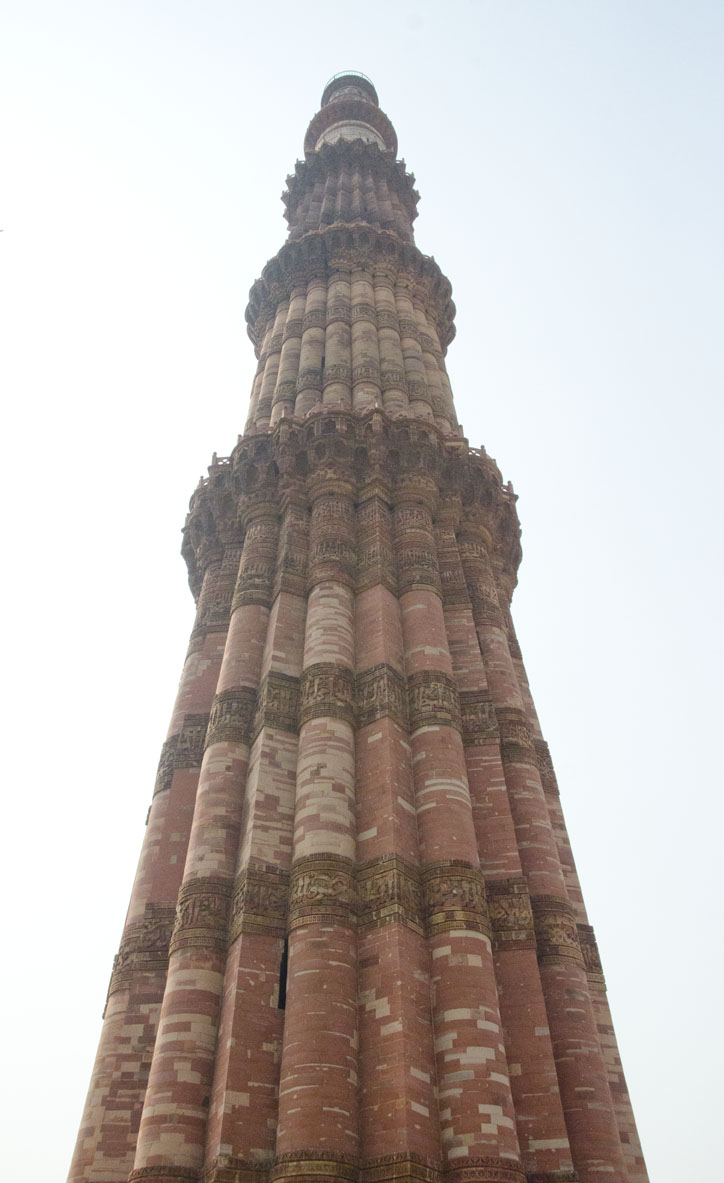
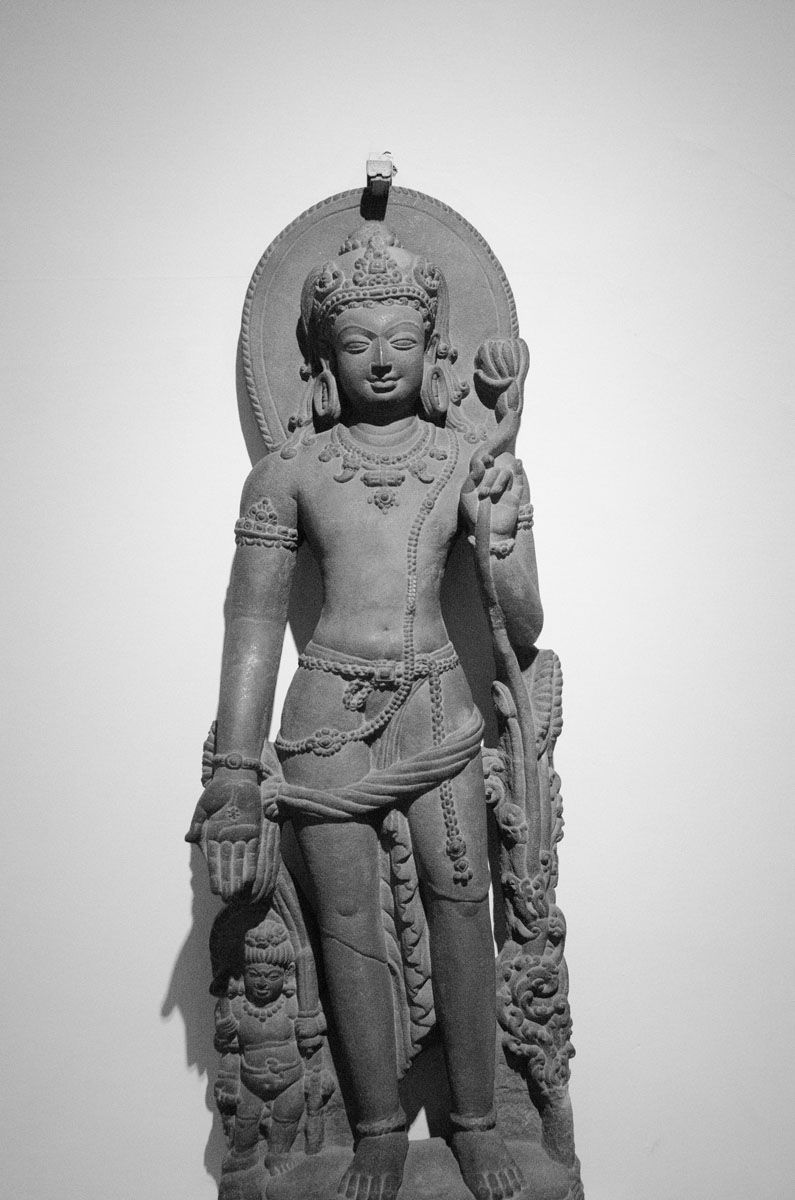
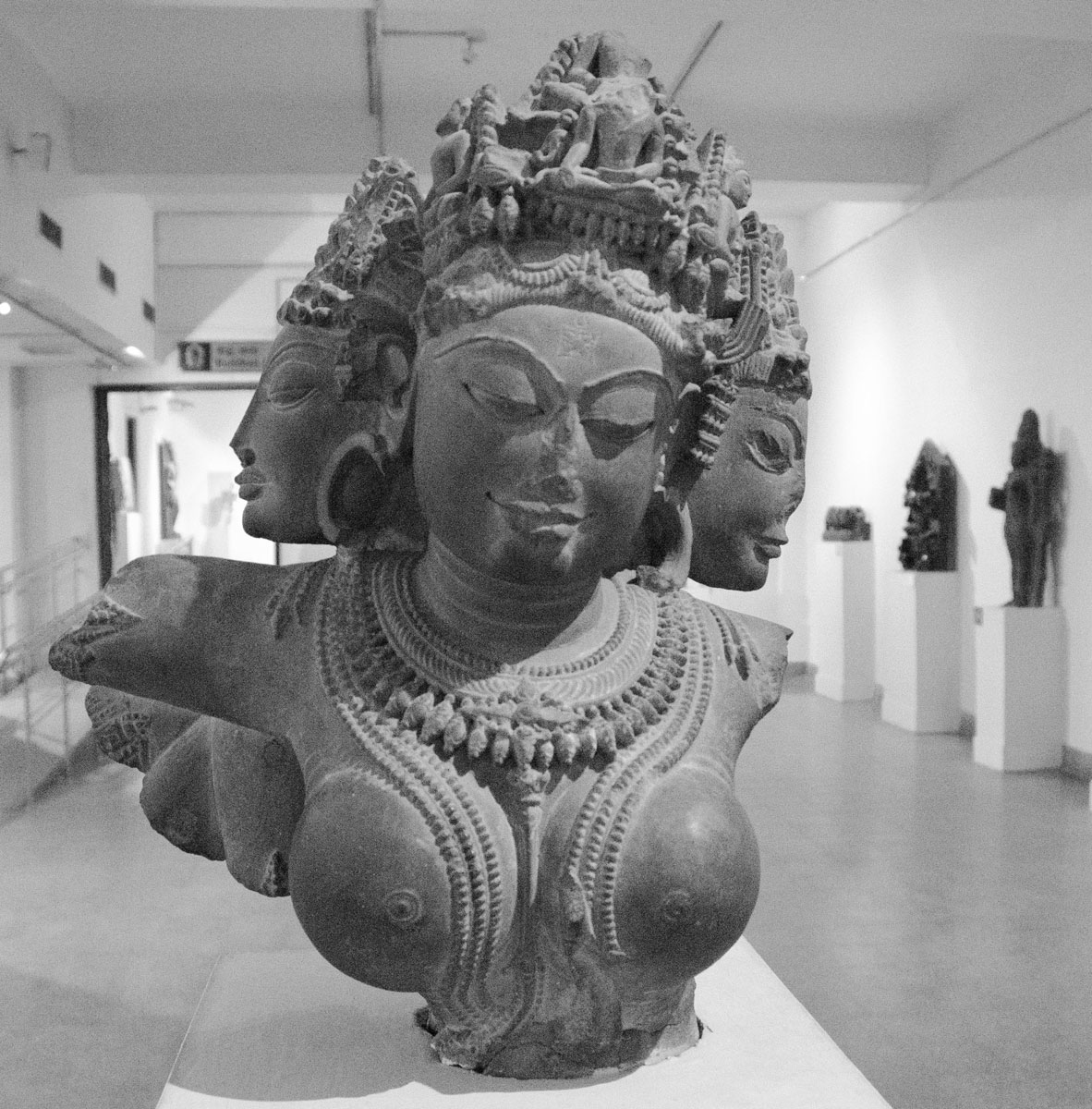
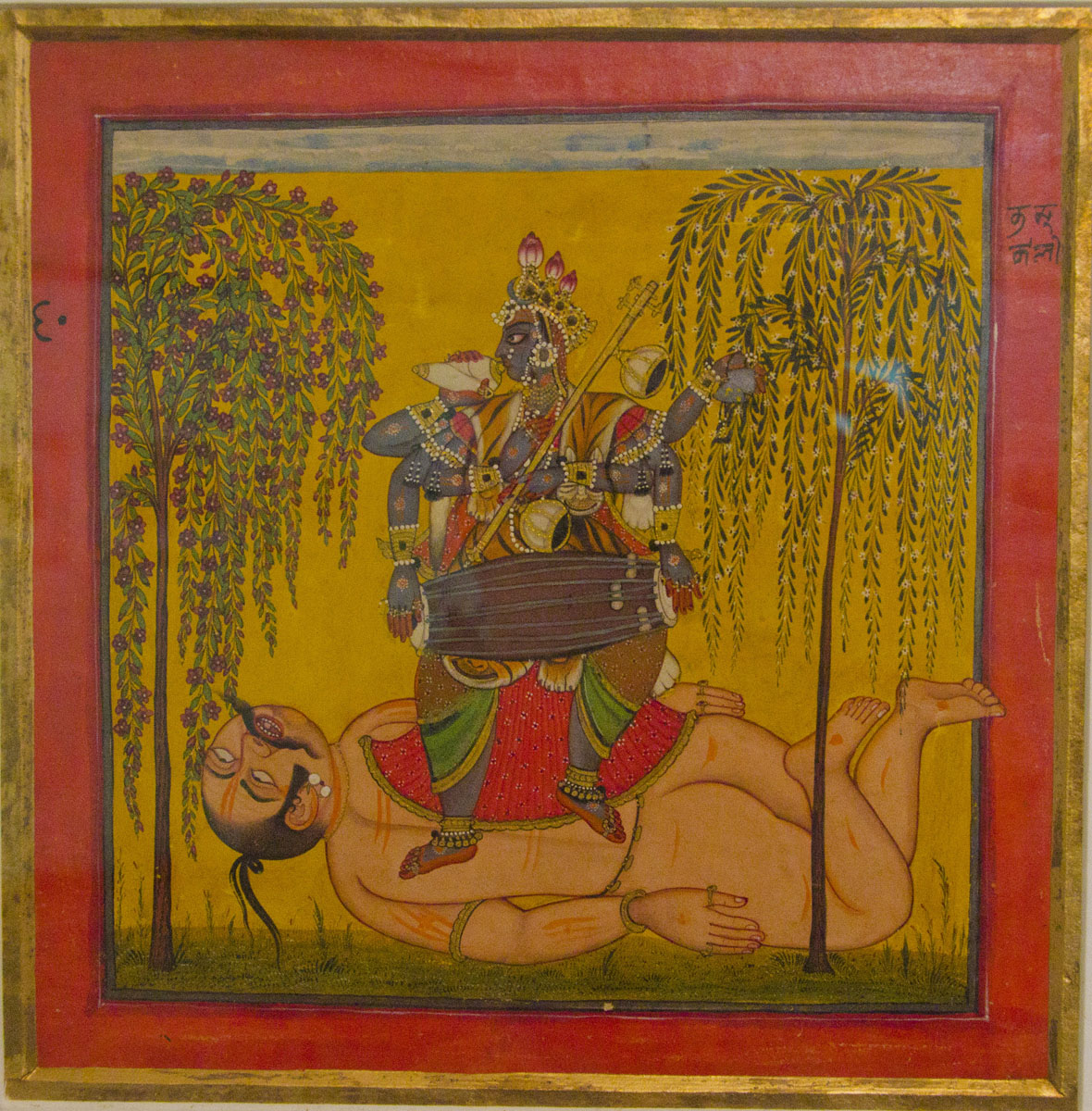
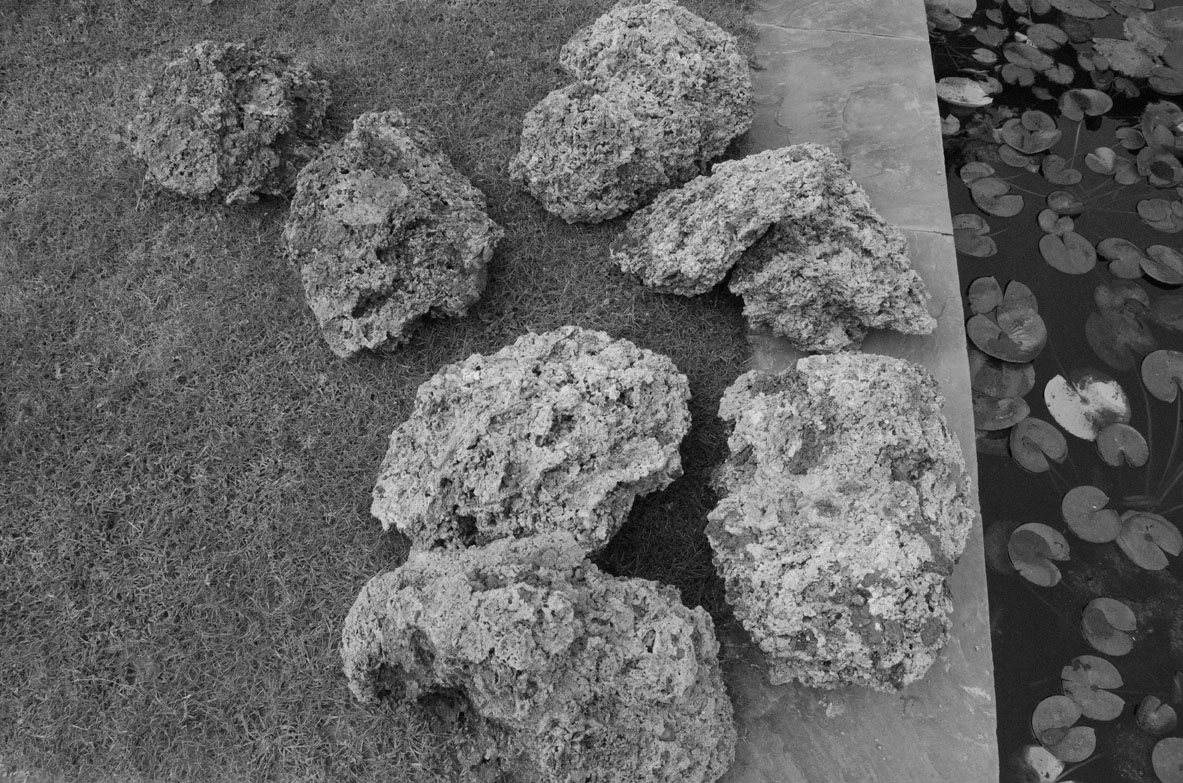
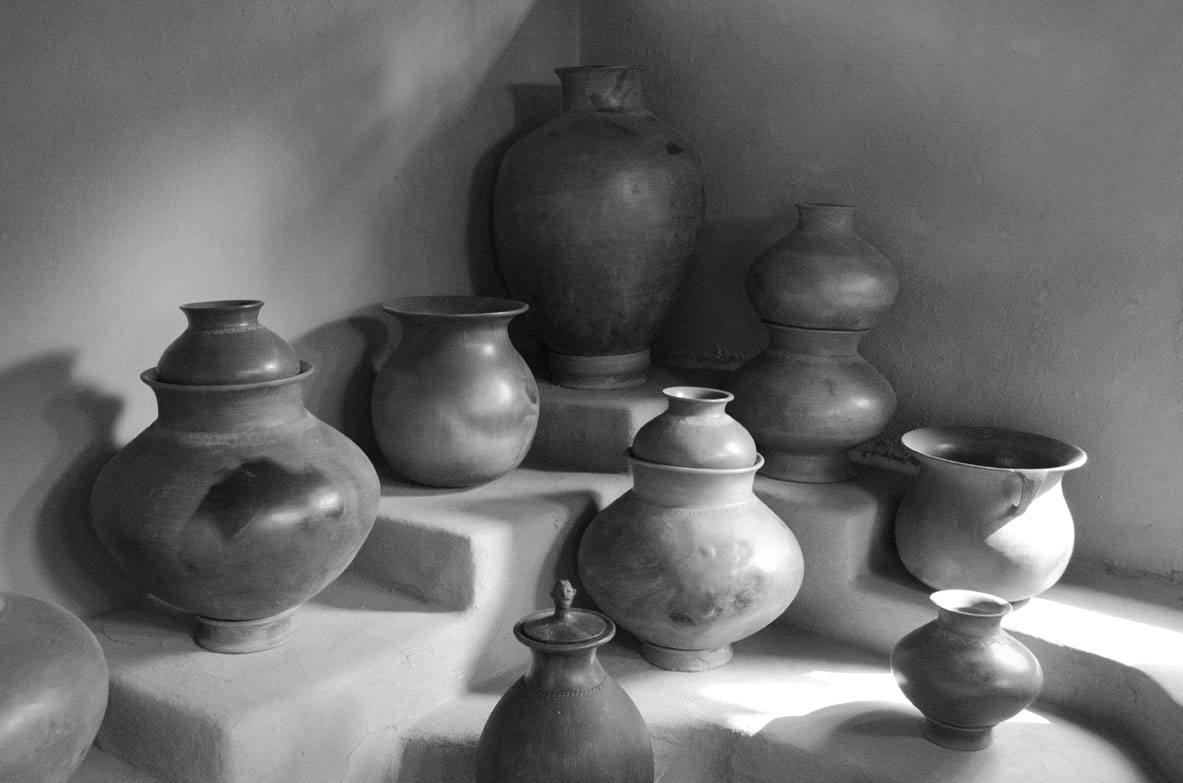
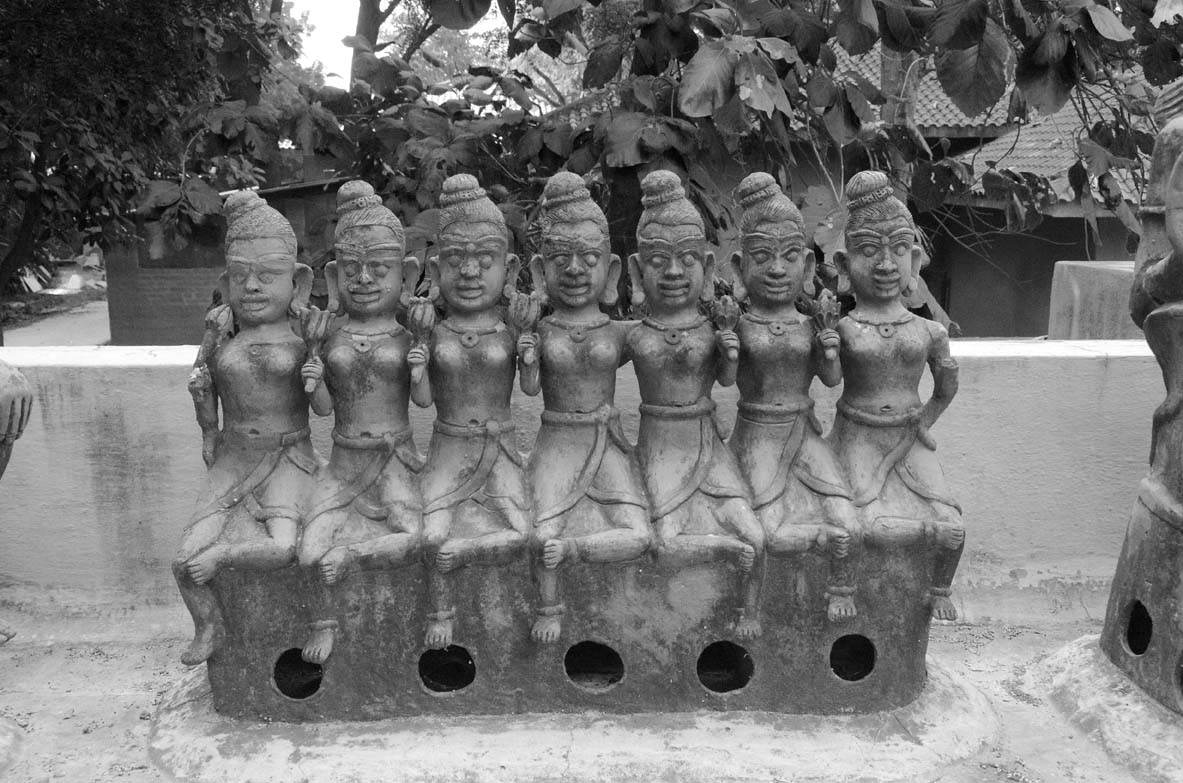
I brought the pictures of Nasreen and I and a big map of Delhi for my studio. I will be doing some exploring and photographing of Delhi while I am here, as I have said before, with Nasreen as my guide in spirit and experience. Though I am also going to hire a real live guide to take me through some of the historic sites. I am starting my process by doing some photography of the grounds here and of some of the beautiful objects in the terracotta museum here. Nasreen shot black and white film. I am learning to convert my digital images into black and white. I do like the abstraction of the black and white images. I will get drawing and painting soon. Seems crazy to come all this way, but I am happy I did!




I have loved reading about Nasreen Mohamedi. I missed the recent major exhibitions of her work: at the Tate Liverpool this last summer, at the Talwar Gallery in New York in 2013 and at the Kiran Nadar Museum in New Delhi in 2013. I have heard that there will be a major exhibition of her work in the U.S. in 2015 but have not heard where and when yet. Luckily there are some wonderful essays on her work and a few of them are on line and listed below.
Geeta Kapur’s essay “Elegy for an Unclaimed Beloved: Nasreen Mohamedi (1937-1990)” is perhaps the seminal writing on Mohamedi and was written shortly after her death. It is a beautiful read and linked below on the Tate Museum’s website. Geeta Kapur is a remarkable woman herself, and was a good friend of Mohamedi’s. Kapur (b 1943) is an internationally renowned art critic, art historian and curator who is based in New Delhi.
Other smart writers on Mohamedi’s work are: John Yau, Grant Watson, Susette Min, Anders Kreuger, Suman Gopinath, Holland Cotter, Eleanor Clayton and there are many others as well. There are only a few printed books available in the U.S. The catalogue “the grid, unplugged Nasreen Mohamedi” is available from the Talwar Gallery in New York for a hefty $125 http://talwargallery.com/publications/ The Talwar Gallery in New York and New Delhi represents Mohamedi and their website also has an excellent list of press writings on Mohamedi http://talwargallery.com/nasreen-press/ The catalogue “Nasreen Mohamedi Lines among Lines” Drawing Papers #52 is pictured above and available from the Drawing Center in New York for $15. http://www.drawingcenter.org/en/book/71/// It documents the Mohamedi exhibit there in 2005. I am a fan of the Drawing Center and its publications, a whole museum that only shows drawings! http://www.drawingcenter.org/
Here are some links to essays on her work:
Clayton, Eleanor, “Seeking a ‘Blazing Reality’: Nareen Mohamedi’s Photographs,” Tate Liverpool Reading Room, 2014: http://www.tate.org.uk/whats-on/tate-liverpool/exhibition/nasreen-mohamedi/blazing-reality
Gopinath, Suman, “There is always chaos and confusion, but it is in the mind and the will that bring order,” Tate Liverpool Reading Room, 2014: http://www.tate.org.uk/context-comment/articles/there-always-chaos-and-confusion-it-mind-and-will-bring-order
Kapur, Geeta, “Elegy for an Unclaimed Beloved: Nasreen Mohamedi 1937 -1990,” Tate Liverpool Reading Room, 2014: http://www.tate.org.uk/whats-on/tate-liverpool/exhibition/nasreen-mohamedi/elegy-for-unclaimed-beloved
Yau, John, “India’s Nasreen Mohamedi Belongs to Everyone,” Hyperallergic, November 17, 2013, http://hyperallergic.com/93951/indias-nasreen-mohamedi-belongs-to-everyone/


left image: portrait of Nasreen Mohamedi, unknown photographer, c.1970
right image: portrait of Sherry Wiggins, photograph by Robert Kittila, 2014
I had this picture taken of me as part of my process of “getting in the mood” for my project “Nasreen and I in Delhi.” I have been developing my relationship with Indian artist Nasreen Mohamedi (1937-1990) and her work through a specific practice where I employ the actions of empathy and intersubjectivity as well as extensive research and contemplation. In this image I am trying to manifest Nasreen (with lots of black hairspray.) I pursue this form of empathic and embodied practice in order to break down the boundaries between myself and the subjects that I (re)present.
In this project my intent is, not to copy Nasreen’s drawings and photographs, but to explore Delhi and India with Nasreen as my guide in experience and spirit. I will traverse and photograph some of the places and subjects that Nasreen interacted with. I will use the photographs that I take in and around Delhi as a ground and matrix from which to expand my own spatial territories and perspectives on the self in drawings. I will try to collapse the corporal boundaries between her body/mind and mine, as I create images and construct drawings with the aid of her (absent) eyes, ears, hands and mind. My drawings, photographs, and writings will trace the convergences and divergences of Nasreen and I in our art making practices as “we” walk, look, contemplate, and photograph sites/sights around Delhi. I will delve into our interior revelations as “we” meditate upon these “shared” experiences in “our” drawing practice.
There is a definite element of cultural voyeurism in my work as well as in my attempt to channel Nasreen Mohamedi. While studying Nasreen’s life and practice and while walking through her territory I am also learning much about 20th century Indian art, as well as learning more about Delhi and India in general. I am a little nervous and excited about traveling to India with these lofty goals. I leave for Delhi in less than a week.
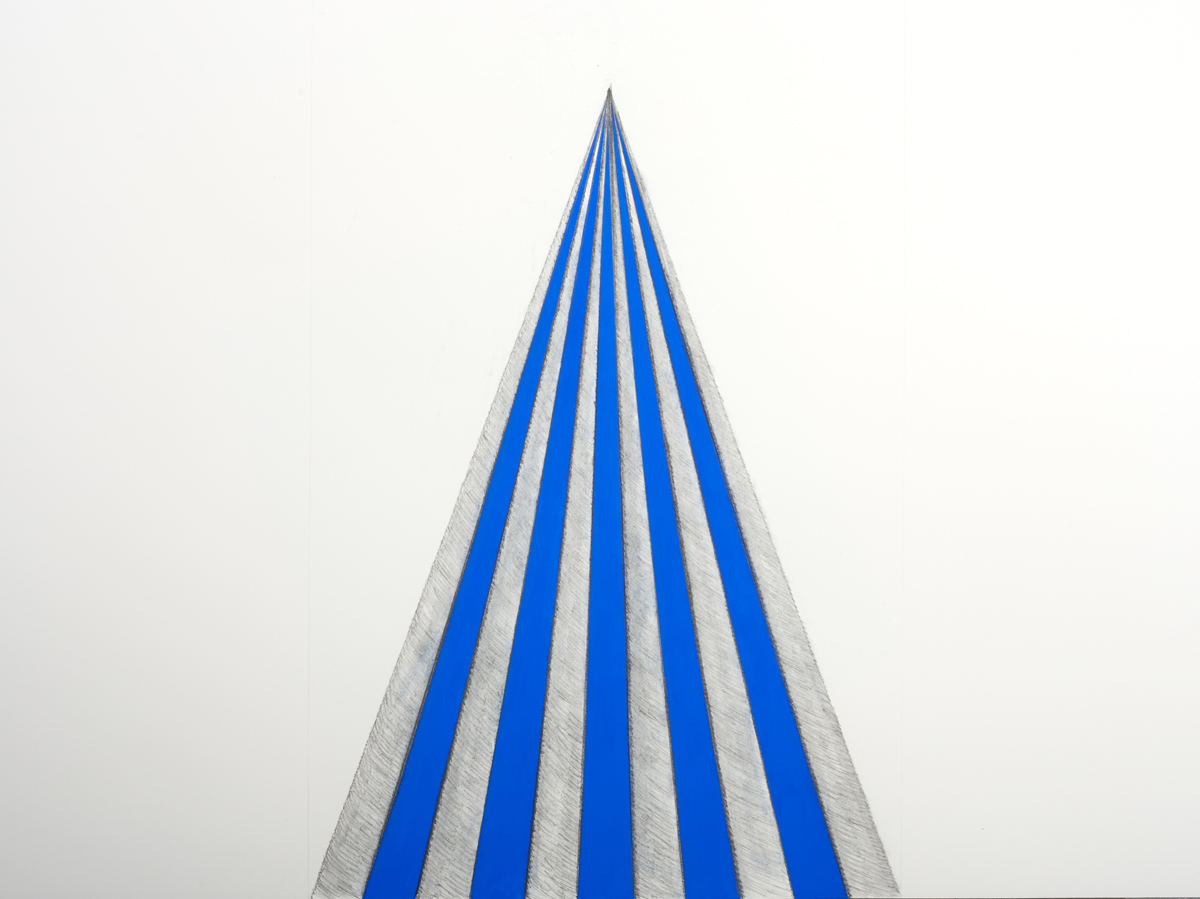

left image: untitled, Sherry Wiggins, gouache and graphite on paper, 18 x 24 in, 2013
right image: untitled, Nasreen Mohamedi, ink on paper, 51 x 71 cm, c. 1980, courtesy Chaterjee & Lai
One of the ideas I find most compelling in Nasreen’s body of work, and the criticism and commentary on her work, is the sophisticated set of ideas about the negation of the self, or self-naughting. Critic Geeta Kapur asserts that Nasreen’s work was clothed in a paradox: the experience of the self and the negation of the self happening at the same time. Kapur explains: “I am not speaking contrarily if I say that Nasreen’s work is about the self and that it is simultaneously about self-negating as well, for every passionate negation is a mystical triumph in the way of becoming. Self-naughting, akimcanna, is a refusal of soul in favor of a more abstract principle of mind; it is standing still from the thinking of self, and the willing of self.”[1] In other words, Nasreen’s artwork intimates both her own subjectivity and her own lack of ego concurrently.
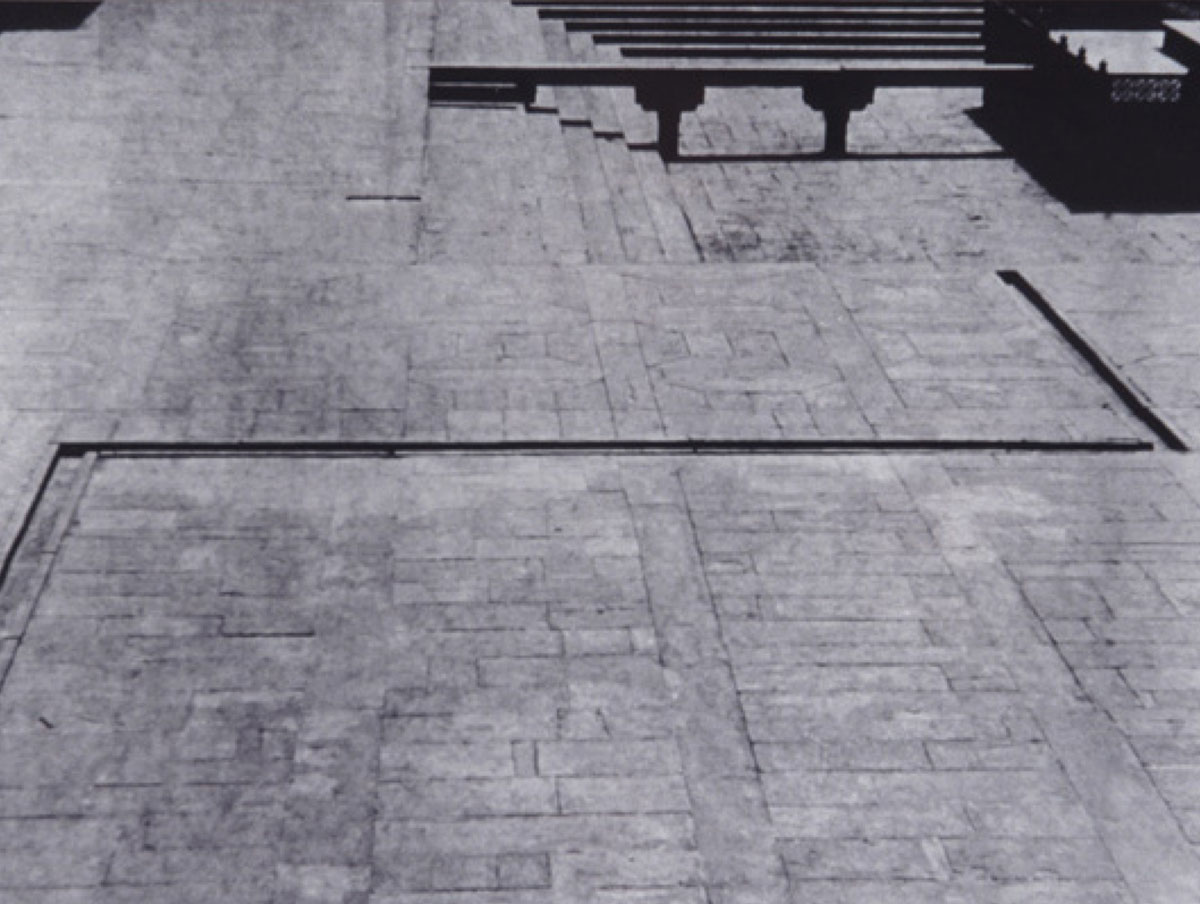
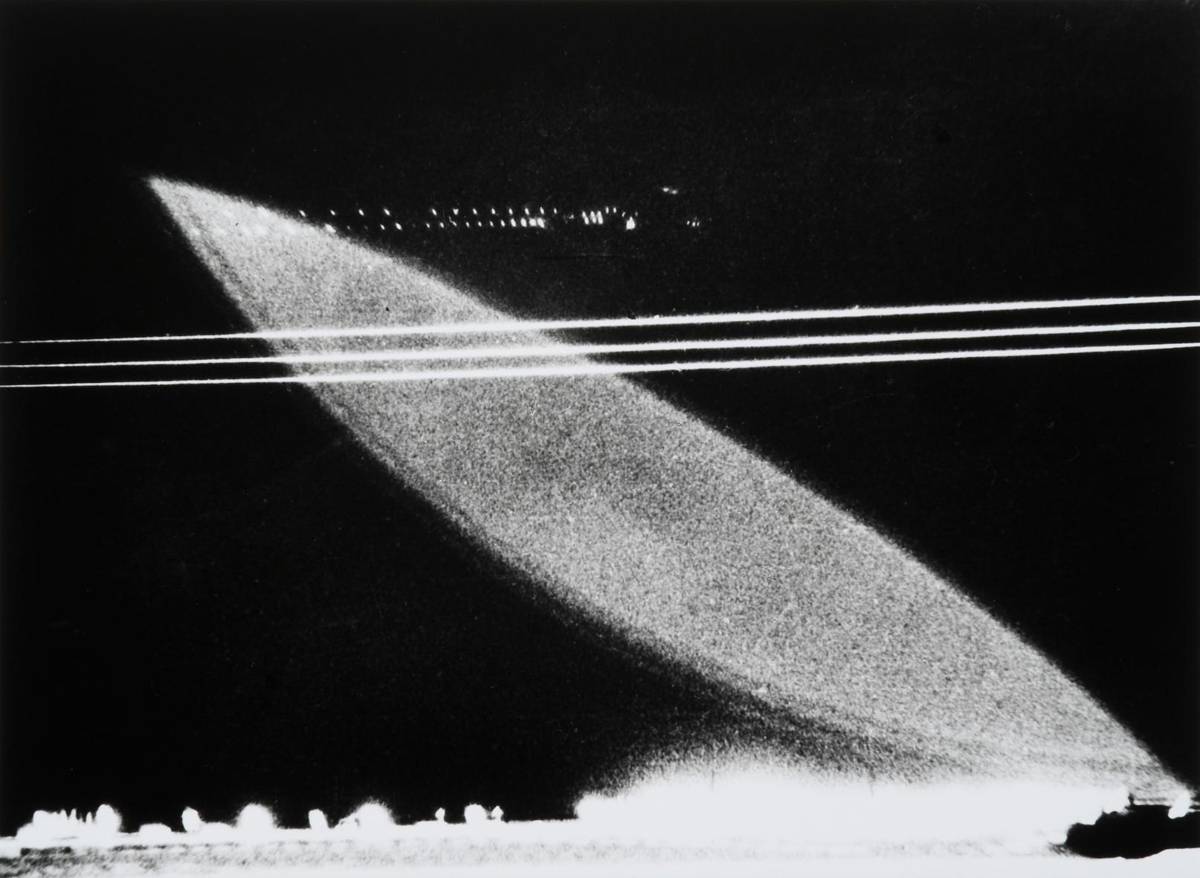
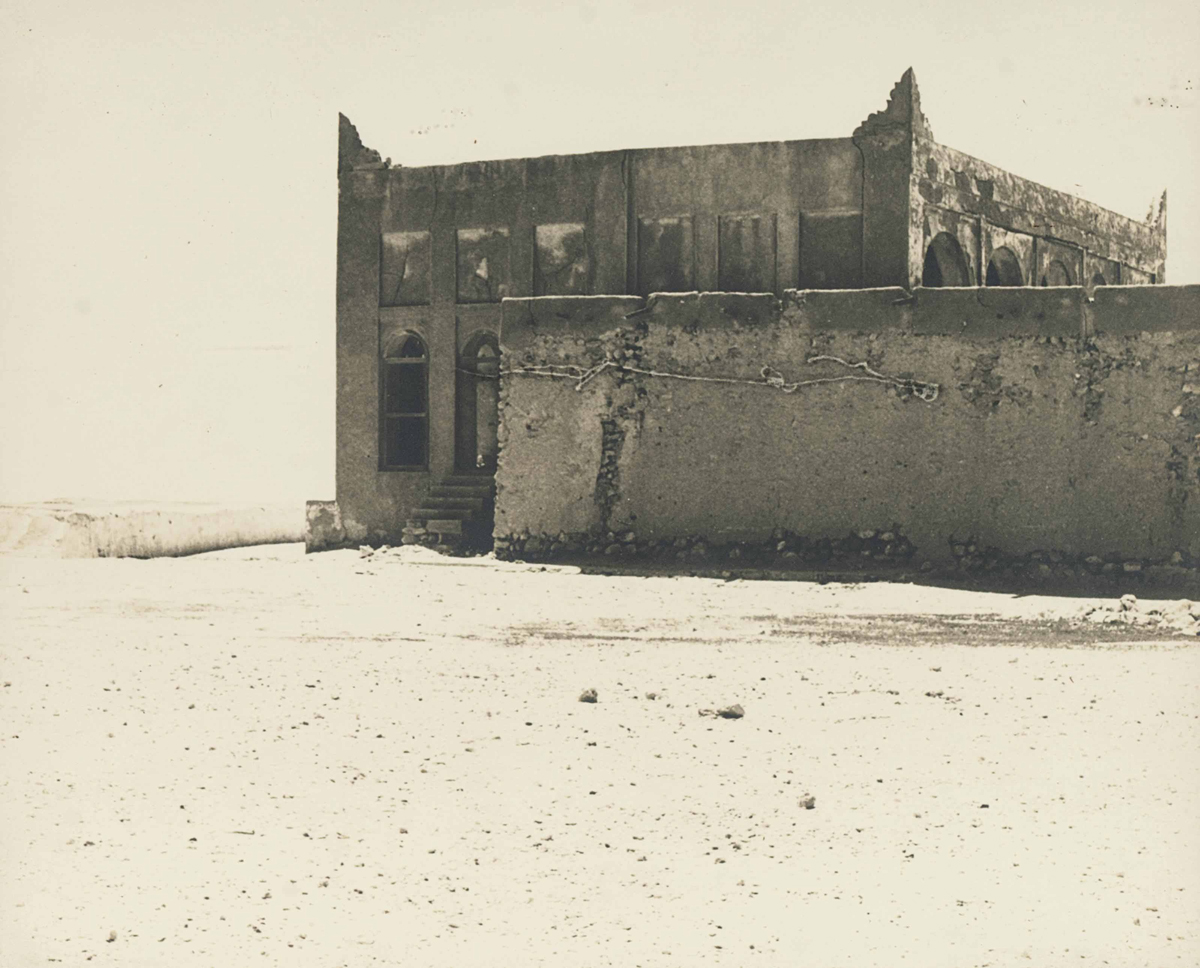
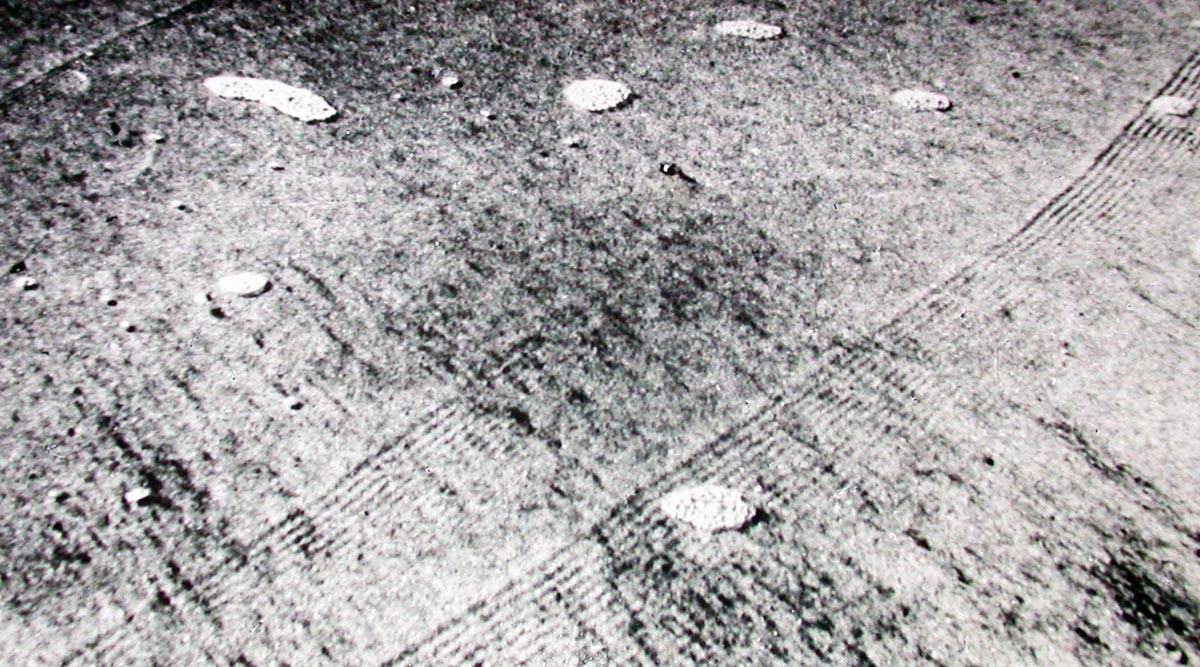
Indian artist Nasreen Mohamedi (1937 – 1990) traveled extensively through out the Middle East, Japan, Iran and the United States. Zen Buddhism, Islamic architecture, Sufism and modernist abstraction play major roles in her work. Nasreen photographed many ordinary subjects such as the warp on a loom, graphic markings on a road, and patterns in the sand. She was also drawn to Mughal architecture and Modernist buildings. There is an emphasis on technology and structure in her subjects. But there is also relativism with all her subjects, a non- hierarchical sense of space and of her own placement there in. Mohamedi’s delicate and linear drawings in pen, pencil and ink and her photographs convey a particular relationship to space. This space is personal and idiosyncratic; physical and transcendent; and metaphysical and otherworldly.
Like my own work in drawing and photography, Mohamedi’s art traces a subtle relationship with the body, the self, and space that is non-subject and object oriented. My own drawings are grounded in my phenomenological relationship to space; both the experience of metaphysical inner space and of relative or physical outer space. As Mohamedi did, I have spent significant time traveling in the Middle East, Japan and India. My work draws information from the “East”– aesthetically and spiritually. Similarly to Mohamedi, much of my multi-disciplinary art practice is based on my Buddhist beliefs and philosophical and spiritual studies.
I have posted below some more examples of Mohamedi’s drawings, my drawings and a few of her photographic images as well.
[1] Geeta Kapur, “Elegy of an Unclaimed Beloved,” The Grid Unplugged – Nasreen Mohamedi, pg. 4, Talwar Gallery: 2009.
 image 1
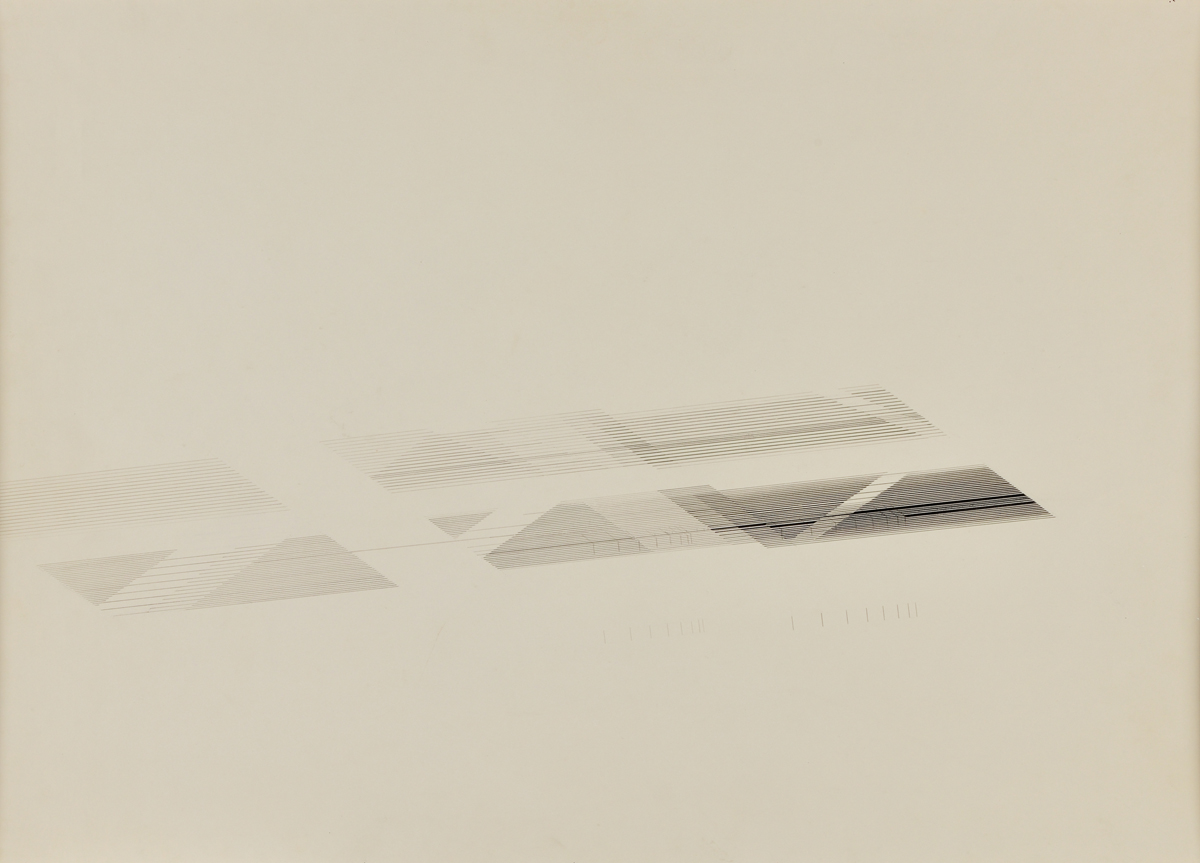 image 2
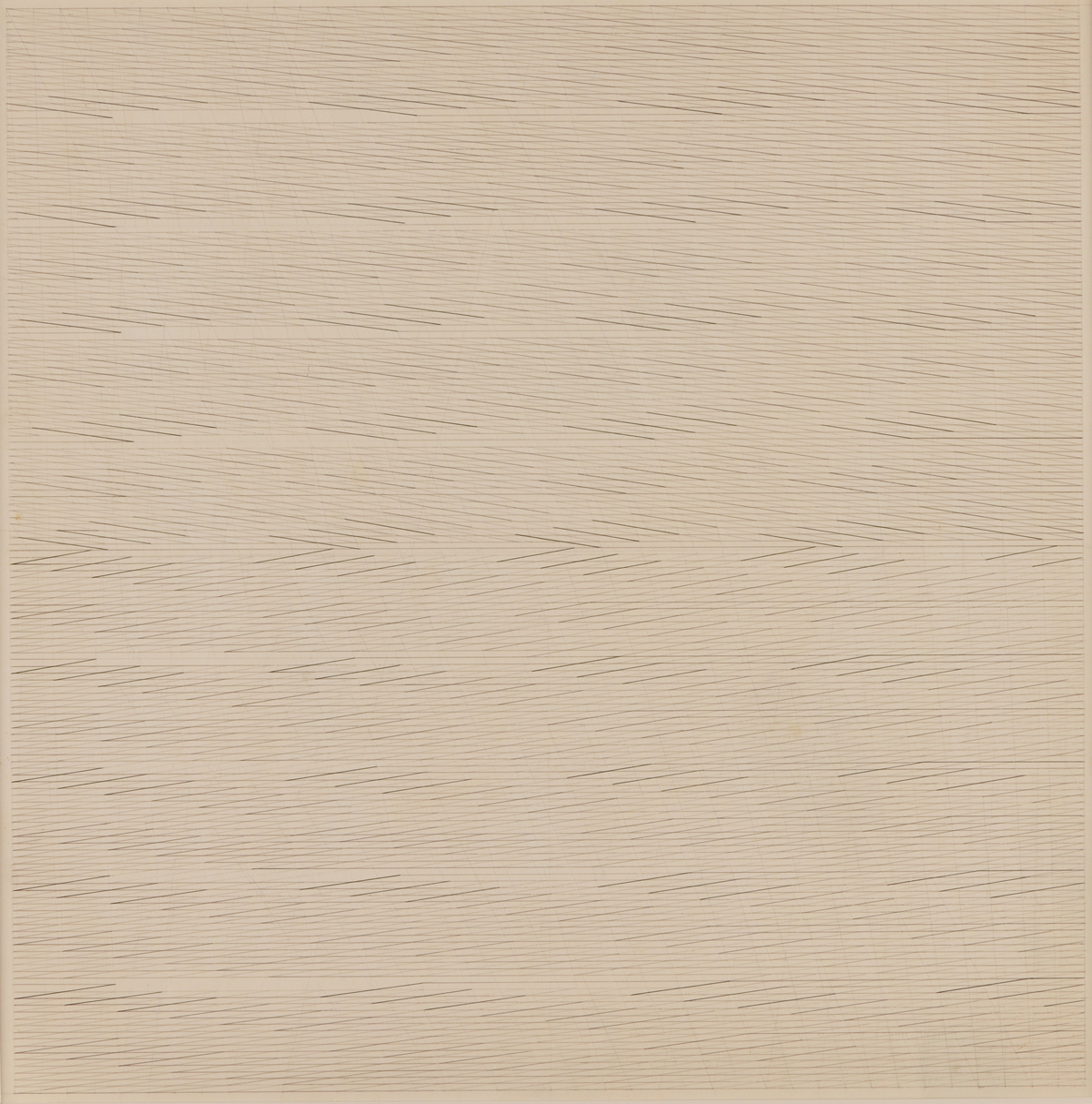 image 3
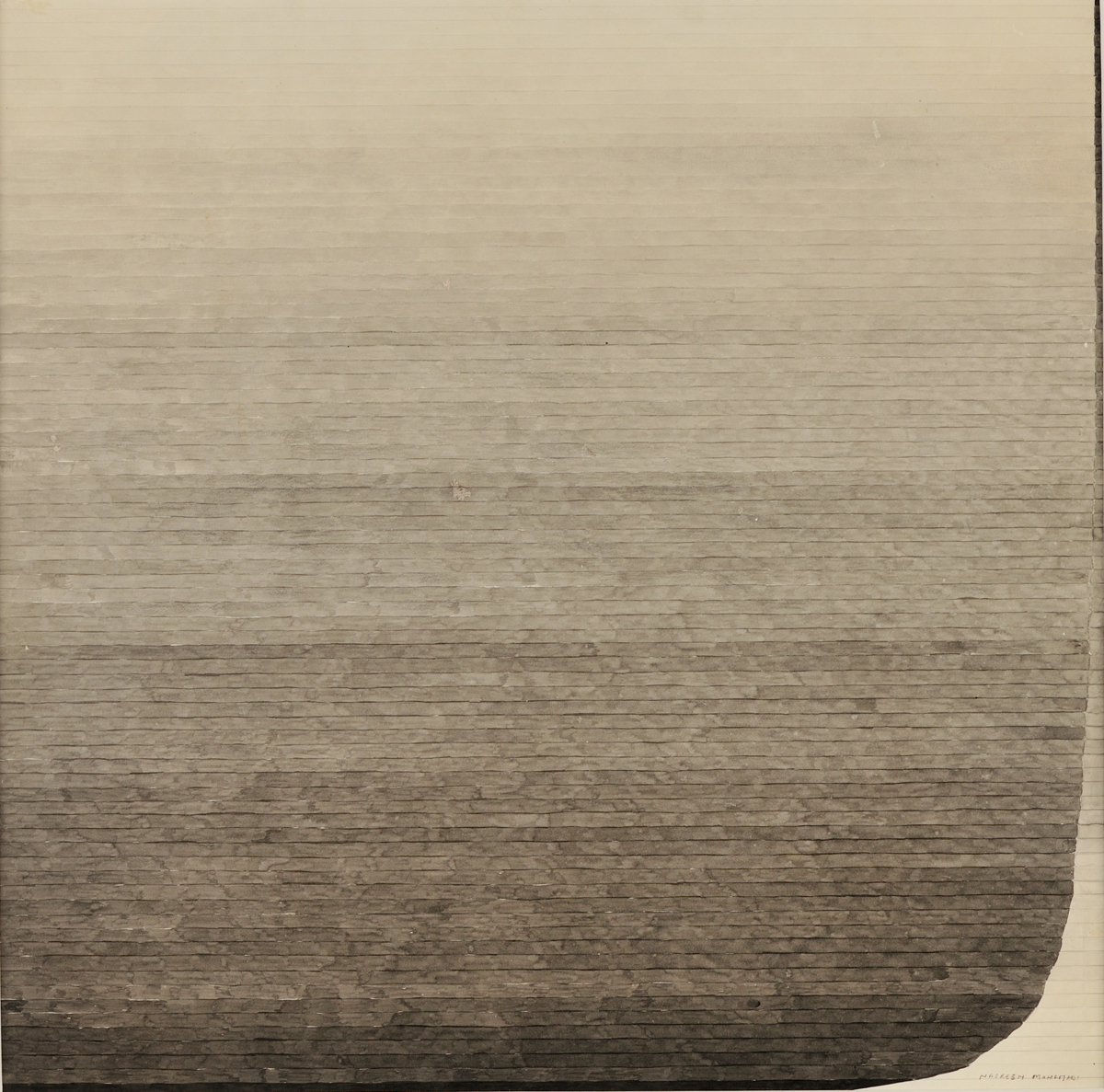 image 4
image 1: untitled, Nasreen Mohamedi, undated, pen and pencil and ink on paper, 48 x 68.5 cm, Glenbarra Art Museum Collection
image 2: untitled, Nasreen Mohamedi, undated, pen and pencil and ink on paper, 50 x 70 cm, Glenbarra Art Museum Collection
image 3: untitled, Nasreen Mohamedi, undated, pen and pencil on paper, 52 x 52 cm, Glenbarra Art Museum Collection
image 4 : untitled, Nasreen Mohamedi, undated, pencil and ink on paper, 49 x 49 cm, Glenbarra Art Museum Collection
 image 1
 image 2
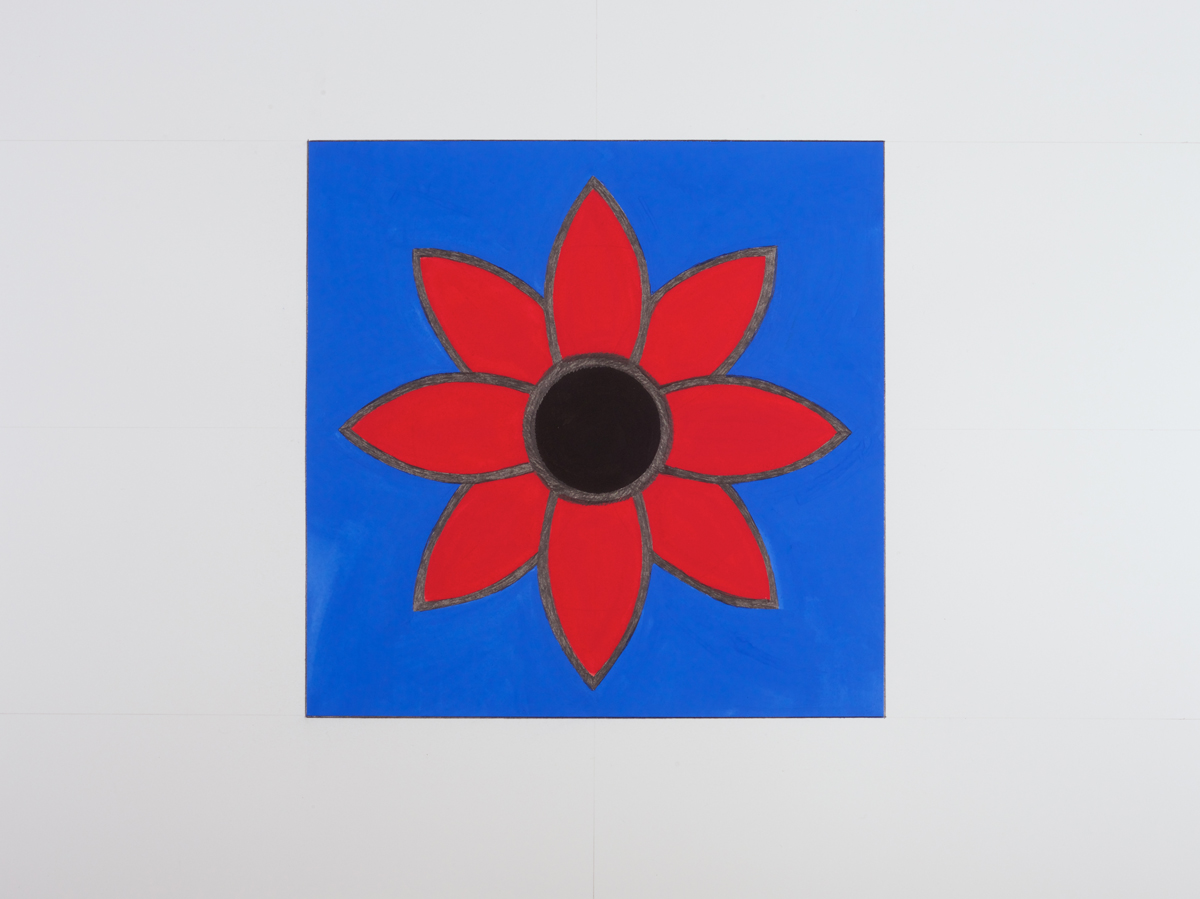 image 3
 image 4
images 1 to 4: all untitled, all Sherry Wiggins, all gouache and graphite on paper, all 18 x 24 in, all 2013
Nareen Mohamedi had an ongoing photographic practice, however she never exhibited these images. Since her death, her photographs have been included in many international exhibitions of her work.

 sherrywigginsblog