in Lisboa seeing Helena Almeida’s work – posted in Lisboa Sunday, September 20th, 2015

1 1200 almeida22_1

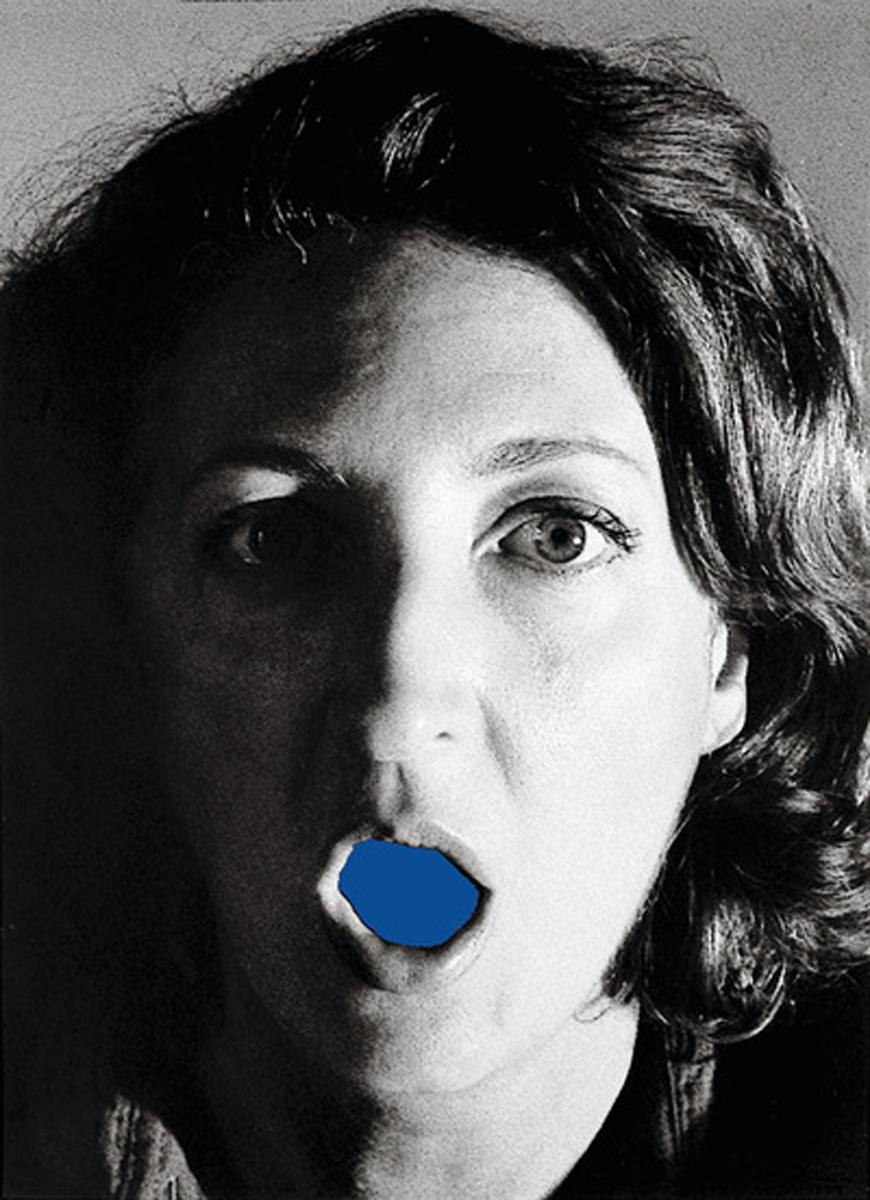
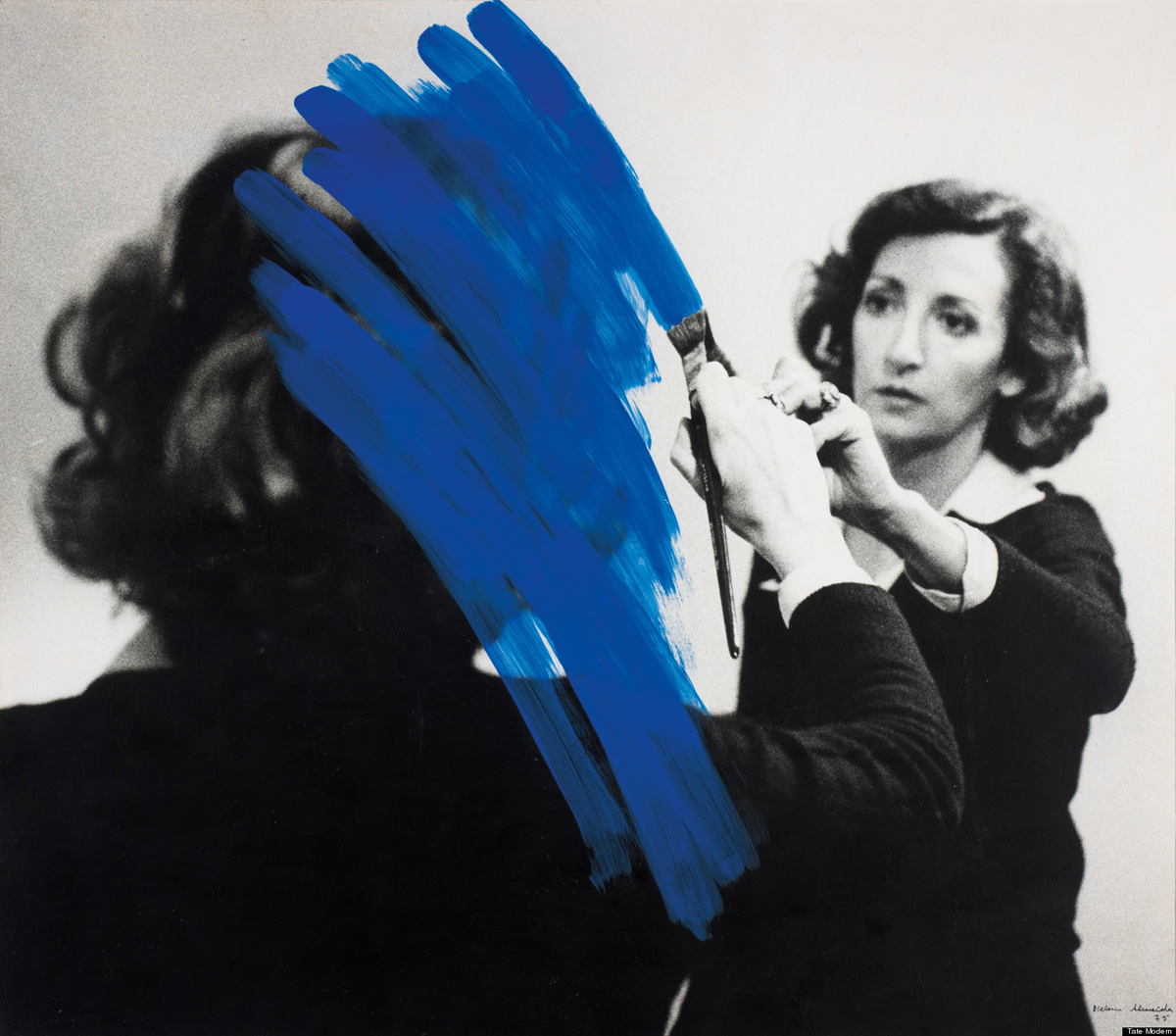
Above: I think the title is “Hearing,” Helena Almeida, 1976

We have been in Lisboa 5 days now. It is a beautiful city and people have been very friendly – great food, wine and art too. As to part of my purpose and research here –  we met Isabel Carlos at the Centro de Arte Moderna at the Gulbenkian Friday afternoon and saw this early work of Helena Almeida’s above among many others. It was wonderful to meet Isabel Carlos. She is the Director at the CAM at the Gulbenkian and has curated Helena Almeida in many exhibits, including the 2005 Venice Biennale and the exhibit at the Drawing Center in New York. It was just lovely to talk with her and also great to have Cydney there. There are some similarities in their paths – as they have both worked directing art institutions as well as worked independently as curators and writers/thinkers.

The first thing Isabel said to me with a grin was “So you are copying Helena.” She basically warned me away from this – saying it had been done before. She then spoke about the fabric in the images on my blog post of September 14th (I am calling these my “test” constructions) and said she thought the fabric was interesting and perhaps more personal and related to my own work. She was saying that maybe I should avoid the inhabitations with my body. Cydney kind of agreed with her on this and I wish I had been recording the exact conversation but I will ask Cydney to articulate this again.

She generously took us down into the bowels of the collection at the CAM to see several of the works of Almeida’s that were not packed up in boxes. Almeida’s work does translate well in catalogues and books but seeing the work in “real life” and at the proper scale was wonderful.

2 1200 in basement IMG_1378

I loved these square ones with the horsehair and paper and the hands. I don’t know their titles. The hands are bigger than life size.

3 1200 Hand IMG_1370 4 1200 Hand with Paper IMG_1371

These two from the series called “Seduction” or “Seduzir” in 2002 were there on the wall in storage. Apparently she did this series after her sister died and there is an element of her sister who was very feminine and I believe Isabel used the word coquettish. These are large – 77” x 50” or 195cm x 126.
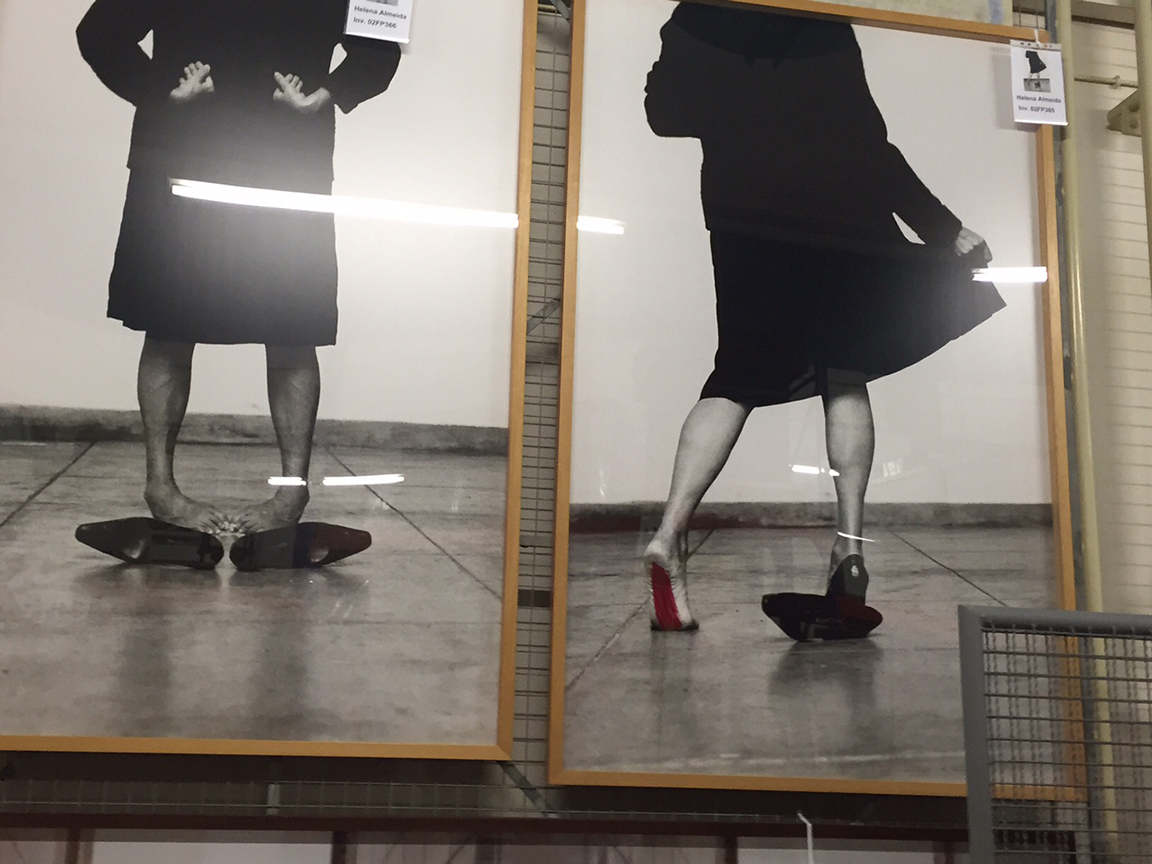
5 1200 Seduction IMG_1374

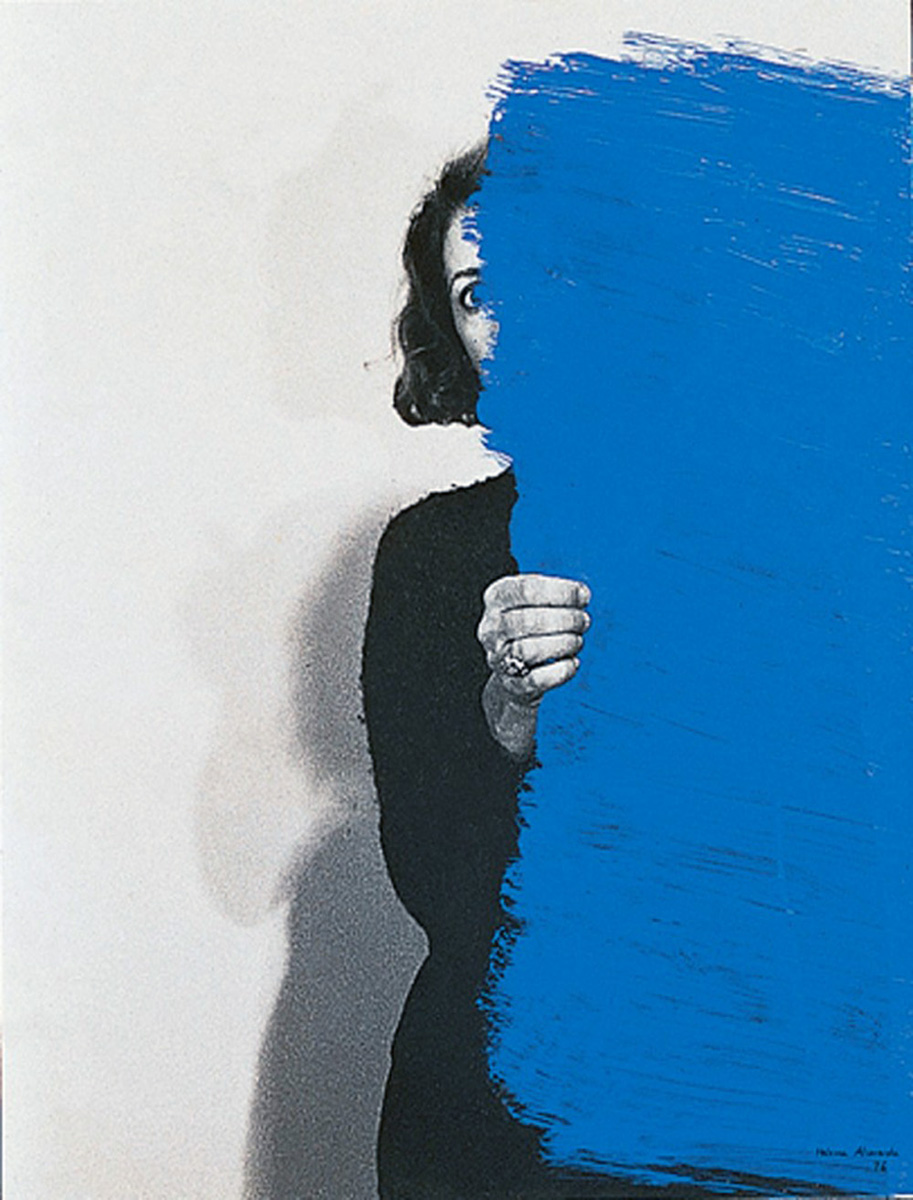
This early work from 1976. I believe it is called “Hearing,” was particularly thrilling for me to see in real life. Her piercing of the canvas is so delicate and ephemeral. 6 1200 Face in Canvas IMG_1383
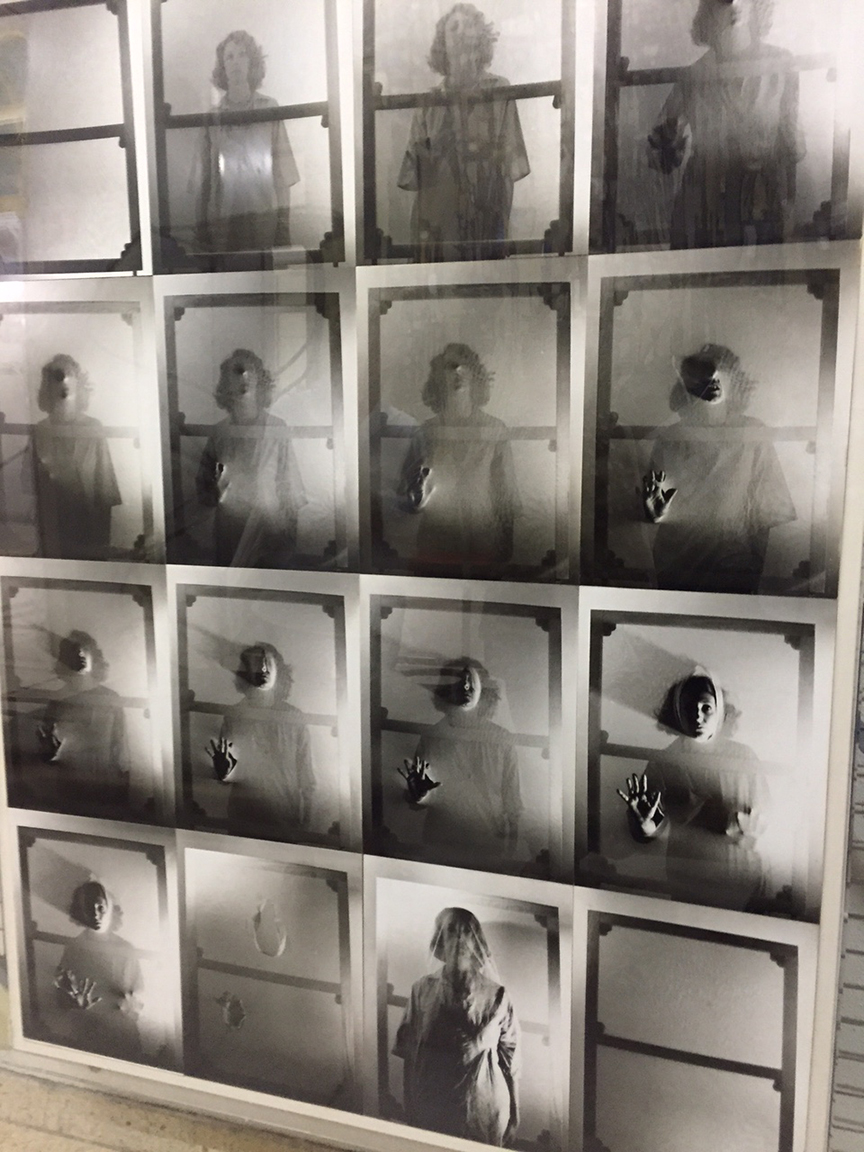
7 1200 Face IMG_1386

Yesterday, among other more touristy activities, we went to Helena Almeida’s gallery – the Filomena Soares Gallery. They were very kind as well and gave us several catalogues of Almeida’s work. They let us look at several of the pieces in storage. These two with Helena in the chair were particularly mesmerizing to me and I think very recent. I am not sure of the title of these but they are large at least 5 ft. tall and they are “unique” pieces. She does not print more than one of them.

8 1200 Chair 1 IMG_0644

9 1200 Chair 2 IMG_0645

One more day in Lisboa, we leave for Obras tomorrow. Cydney and I are both ready to settle in and get to work.
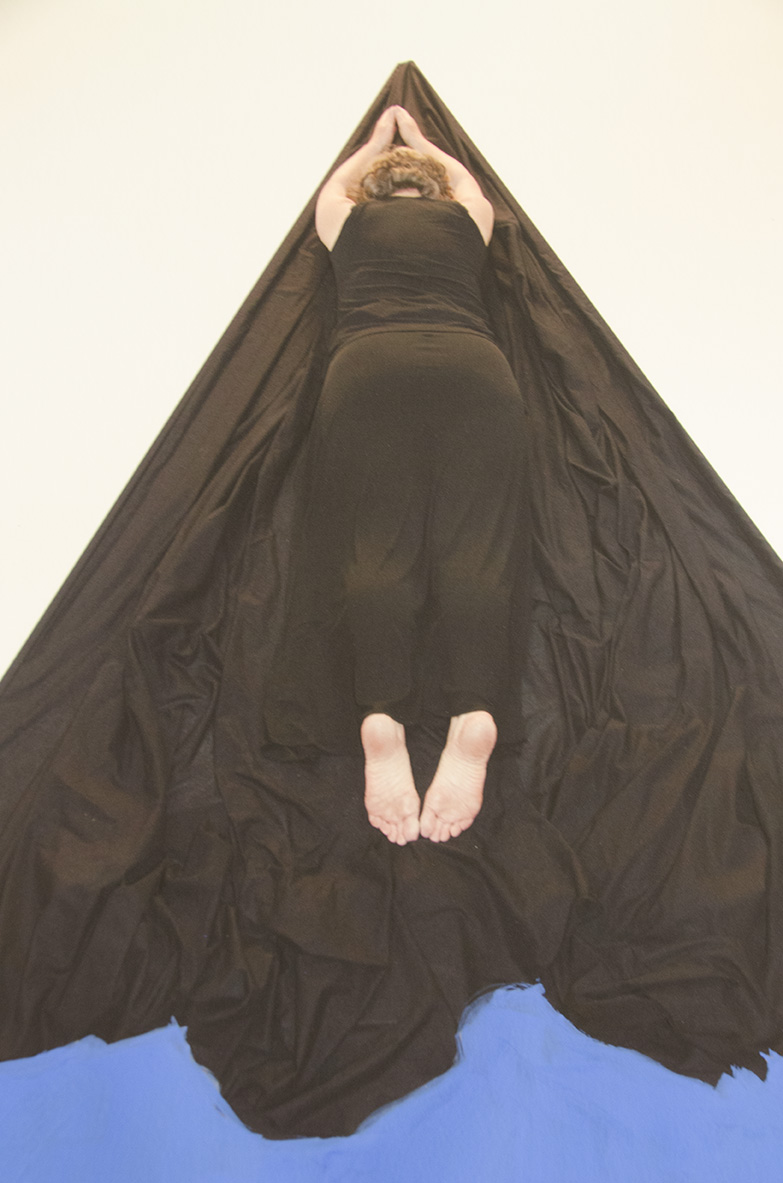
Constructions in my Boulder studio for my studio in Portugal – posted Boulder Sept 14 2015

1 1200 Black Blue V_DSC6359 copy

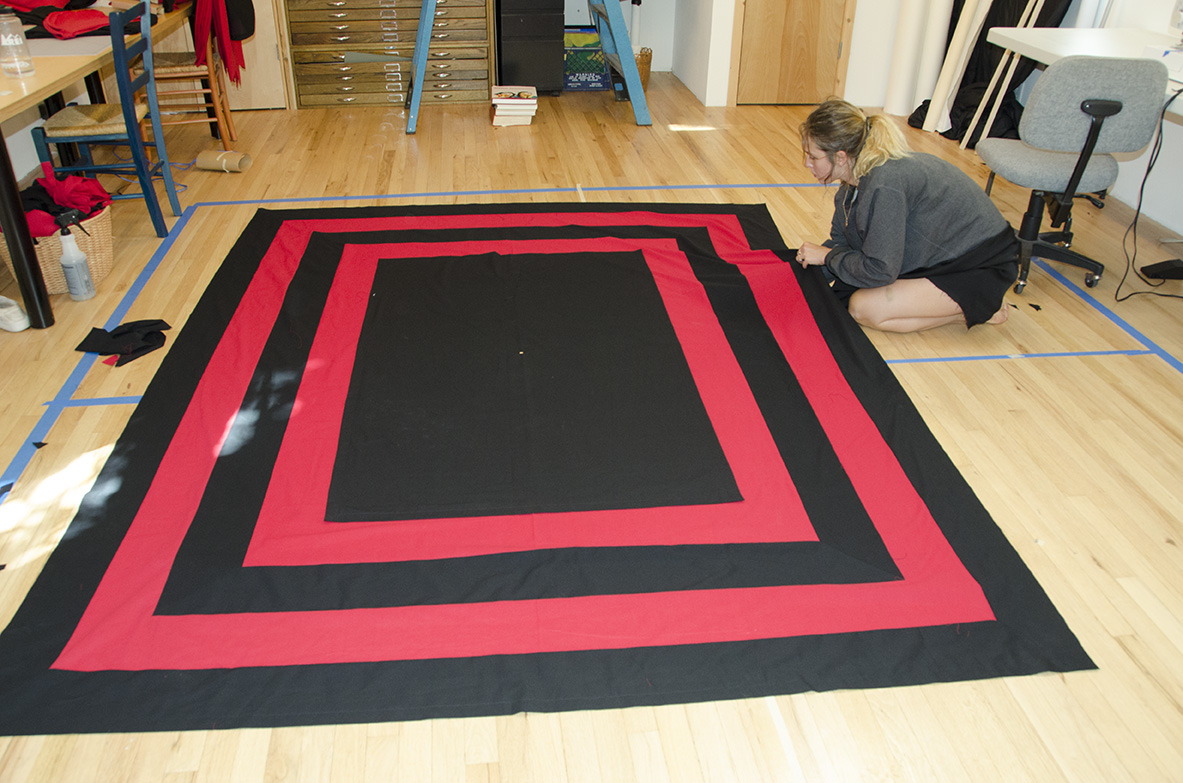
Above is a trial run in my studio in Boulder of the “inhabited drawings” that are inspired by the work of Portuguese artist Helena Almeida.

I am leaving today for Portugal for the artist residency at the Obras Foundation and to continue my research and work in relationship to Portuguese artist Helena Almeida. During the last few weeks I have been working with British fashion designer Bella Newell making fabric constructions for a series of “inhabited drawings” that I will create while in Portugal. Bella’s skills and talent have been invaluable.

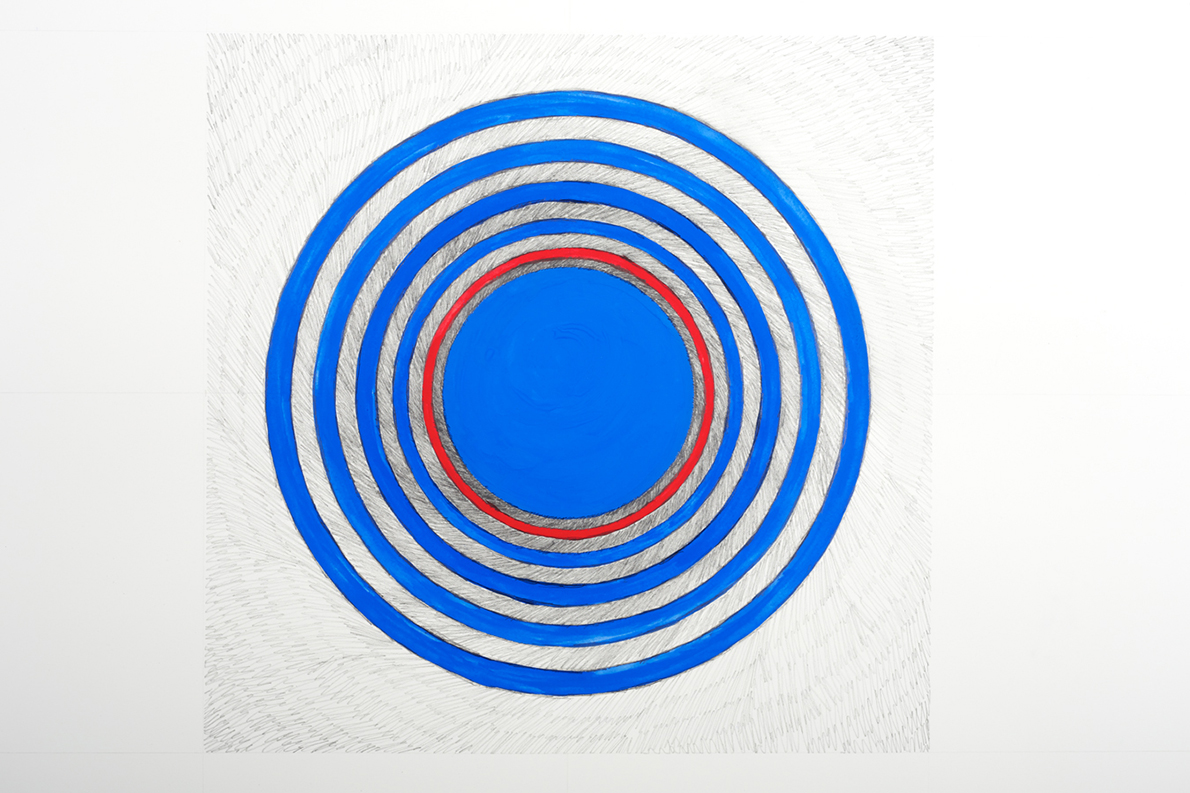
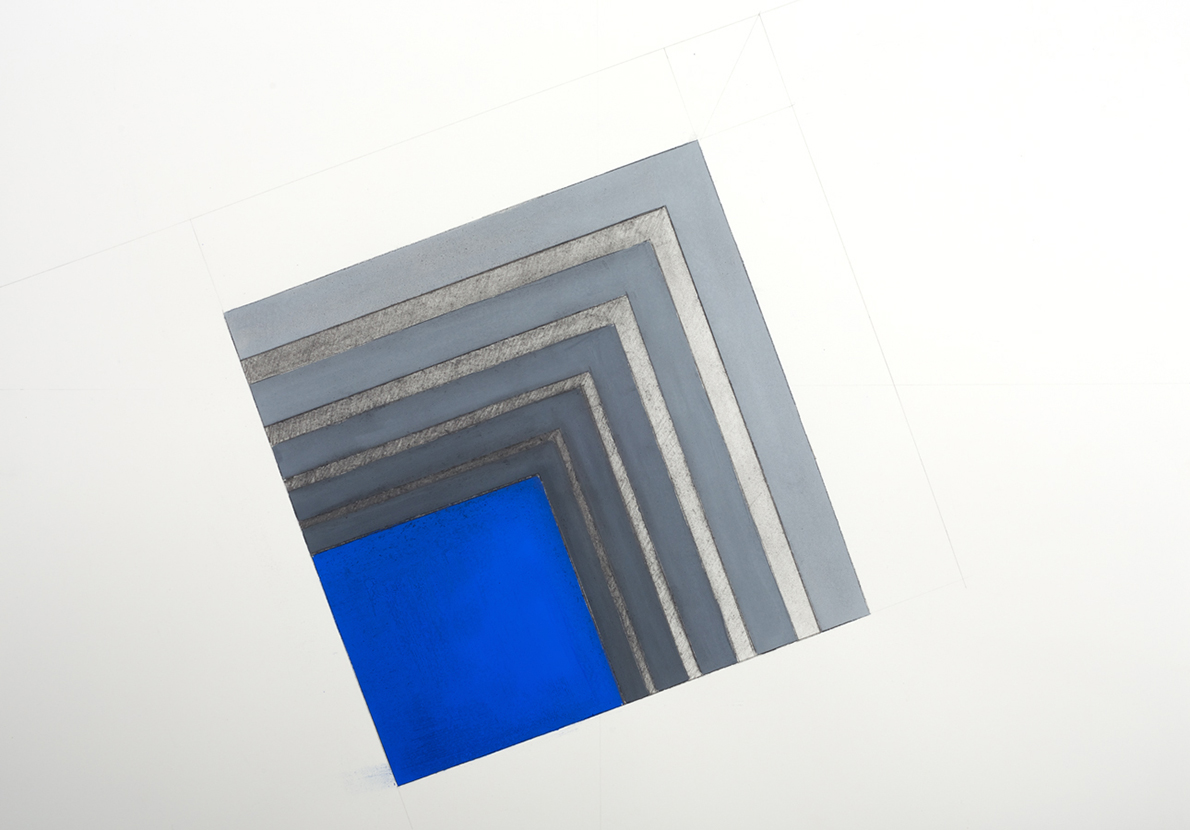
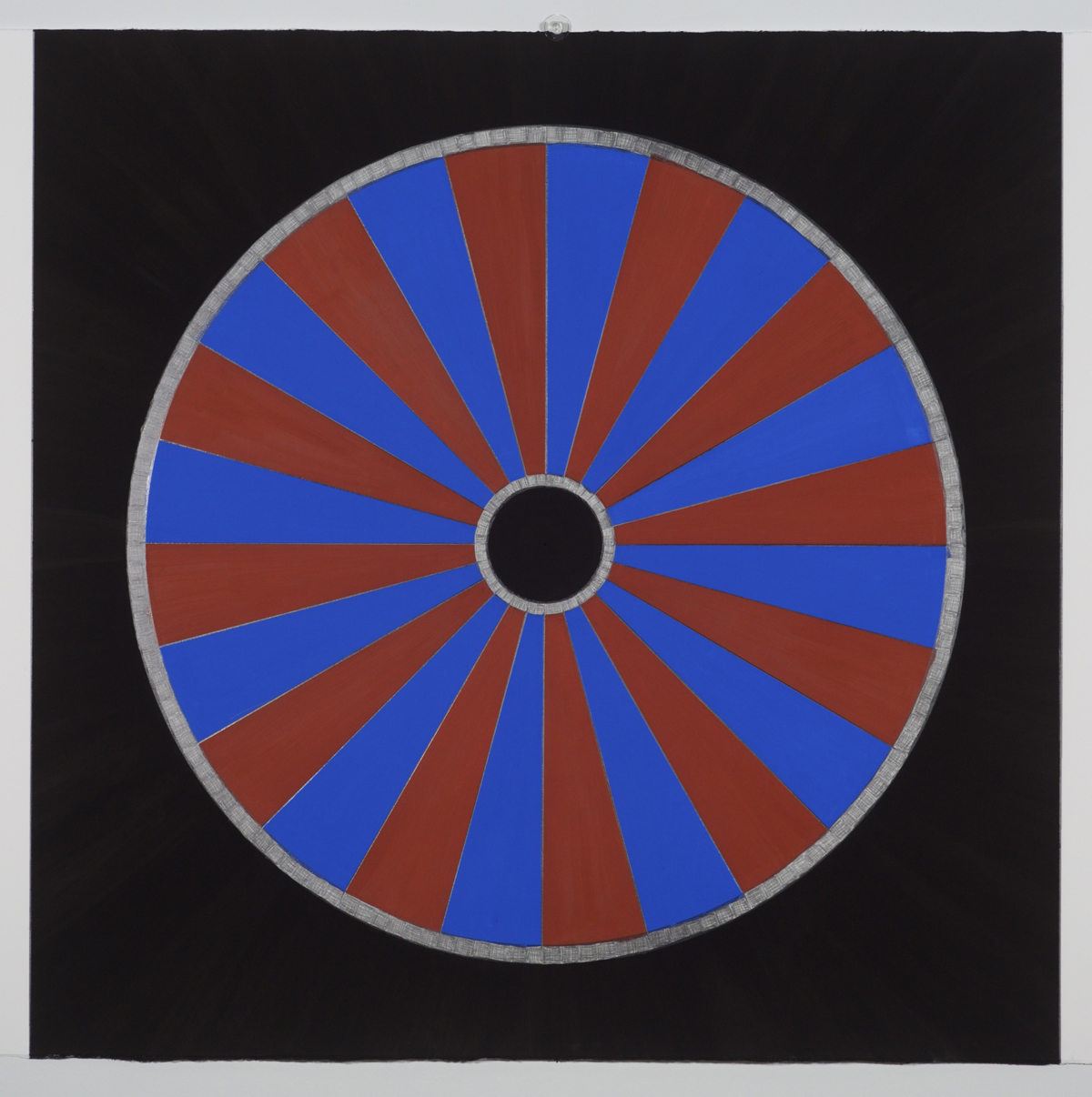
These constructions are based on a series of geometric drawings I made in 2013 in gouache and pencil. I decided to remake these drawings out of meters of black and red fabric and “inhabit” them in my studio in Portugal. I will have a photographer at Obras photograph me “inhabiting” these constructions and then paint the prints with Helena’s and my signature blue paint.

2 1200  rectangle fabric trials 1200 _DSC6346 copy copy

3  1200 Bella Studio_DSC6361 copy4 1200 Square white fabric trial 1200 _DSC6337

I will meet Cydney Payton tomorrow in Lisbon and we will be there for several days before going to our residency at the Obras Foundation. We are both excited that we will be meeting several contemporary curators and people who know and have worked with Helena Almeida while we are in Lisbon. I will post from Lisbon and keep you abreast of my journey. Just wanted to let you know I am on my way!

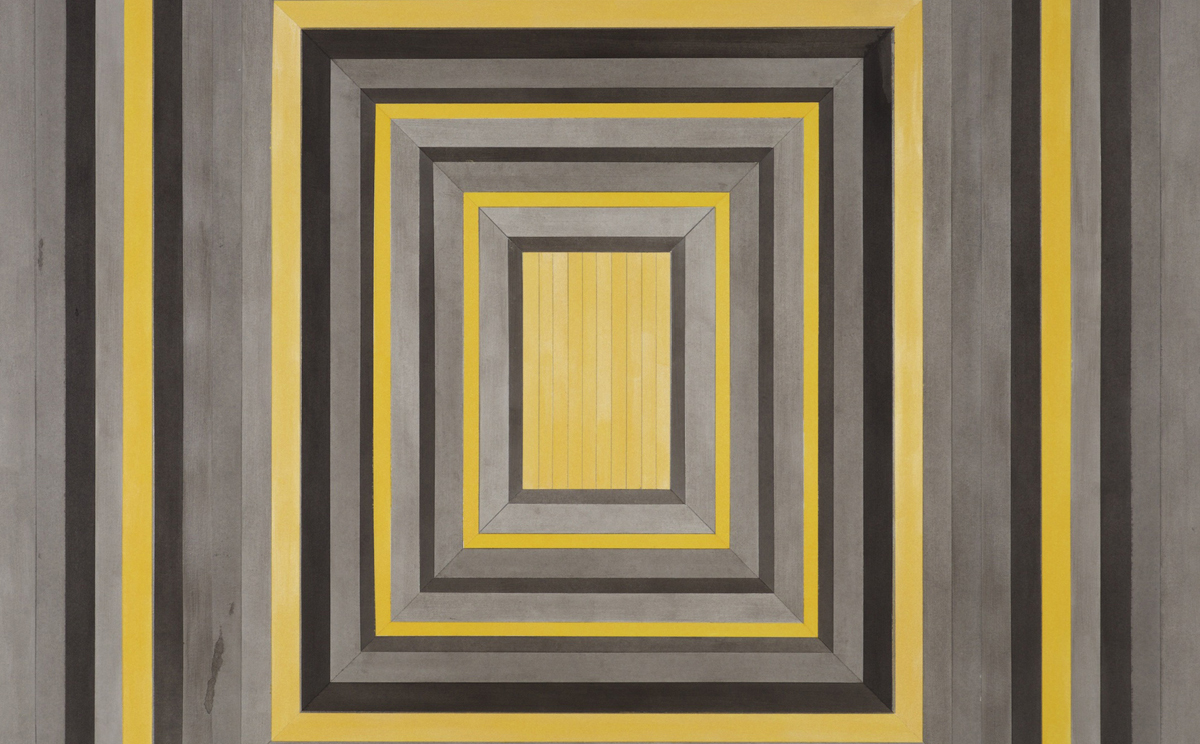
Below are the drawings that these constructions and “inhabited drawings” are based on.

1 1200 Point Drawing copy2 1200 circle drawing copy

3 1200 Well Drawing copy4 1200 Rectangle  copy

5 1200 Rosette

I have started my research on Helena Almeida – posted in Boulder August 24th, 2015

Almeida, A Casa, 1979 large_27HelenaAlmeida

above image: Helena Almeida, A casa, 1979, photograph with acrylic paint, 62.5 x 51 cm

I leave for Portugal in three weeks for a 5-week artist residency at the Obras Foundation. http://www.obras-art.org/ I am just beginning my in depth research on Portuguese artist Helena Almeida and starting to figure out how I want to make my own work in relationship to her.

The following description of Helena Almeida’s work and the quote from Almeida herself are from the Drawing Center (in New York) catalogue of Almeida’s exhibit there in 2004 that was curated by Portuguese curator Isabel Carlos. http://issuu.com/drawingcenter/docs/drawingpapers43_almeida The title of the essay by Isabel Carlos is “Beyond the Limits of the Body.”

“ Since the 1970’s, the work of Helena Almeida (b.1934, Lisbon, Portugal) has been realized through a confluence of different artistic disciplines and approaches. In the present exhibition, photography, painting, and drawing are brought together within the unifying scope of self-representation. The artist successively explores her physical self-her face, her hands raised to her mouth, her entire body – in formats that never resort to the theatrical staging or dramatization of an invented persona. Creating neither self-portraits nor characters, Almeida tells us nothing about her actual physical body. Rather, the body that is represented is constantly altered, disfigured by painted shapes that prolong, extend, or even “enter” her.

In refraining from presenting her works as disguises or portraits, Almeida creates what might be called a fictional body. In these representation, there is not identification between seeing and being. They constitute fictions performed upon a body-or rather, not fictions but representations, not in the traditional dramatic or tragic sense of the word, but, rather as in the traditions of painting or drawing.” – Isabel Carlos

“I am not going to hire a model when I’ve got myself in the studio. In addition to that, I ‘m the one who knows what position I want or what attitude I should take on and how the composition needs to be conceived. I create a composition and then place myself in it exactly as I’ve envisioned and with the expression I want. But it’s not me. It’s as if I were another person. What it really is is the search for the other, the other that’s there.” – Helena Almeida an interview in “Artes Et Leiloes,” n.37, Lisbon, February 1996, 10.

Helena Almeida’s extensive and rigorous “body” of works simply compels me. She is still actively working and exhibiting though in her 80’s. In great coincidence there will be a big retrospective of her work at the Serralves Museum in Porto while I am in Portugal so I will have the opportunity to see this major exhibit: http://www.serralves.pt/en/activities/helena-almeida-my-work-is-my-body-my-body-is-my-work/?menu=249

People have asked me how and why I pick these different women artists to research and make my own work in relationship with. There are different reasons for each artist I have selected. Almeida’s body of work is of major significance and is relatively unknown in the US. There are many commonalities in Almeida’s work with my own work as well. I have used myself as the subject in several projects, including “Me and Maya,” “Me and James Bond,” “I’ve been reading Simone de Beauvoir,” among others. I am also drawn to the physicality of her “inhabited drawings” – the scale of these works and the relationship between the “real” space she inhabits and the representation of that space in the photograph is compelling. I am interested in the hybrid of media in drawing, photography, painting, installation and performance. I also love that specific color blue she uses… Her artistic process and the diligence and beauty of her work  just plain inspires me.

Below are several images of Helena Almeida’s remarkable body of work spanning the past 40 years. Almeida often works in series with the black and white photographs and sometimes paints the photos with her signature blue paint or pigment. Her prints are now very large and I hope to send you some installation shots as I see the work in Portugal.

1 Almeida, Pintura Habita, 1975o-TATE-MODERN-PAINTING-AFTER-PERFORMANCE-facebookImage 1: Helena Almeida, Pintura Habitada, 1975

2 Almeida, Study for SI, 1977 helena-almeidaImage 2: Helena Almeida, Study for Inner Improvement, 1977

3 Almeida, Study for Self improvement tumblr_n4i8i7pGSy1r7epkxo1_1280

Image 3, Study for Inner Improvement, 1977

4 Almeida, Ponta de Fuga, 1982 150N09325_7X7LWImage 4: Helena Almeida, Ponta de Fuga, 1982

5 Almeida, A casa, 1982, d9684f4c-ae14-4f8f-8989-37da012daf45Image 5: Helena Almeida, A casa 1982

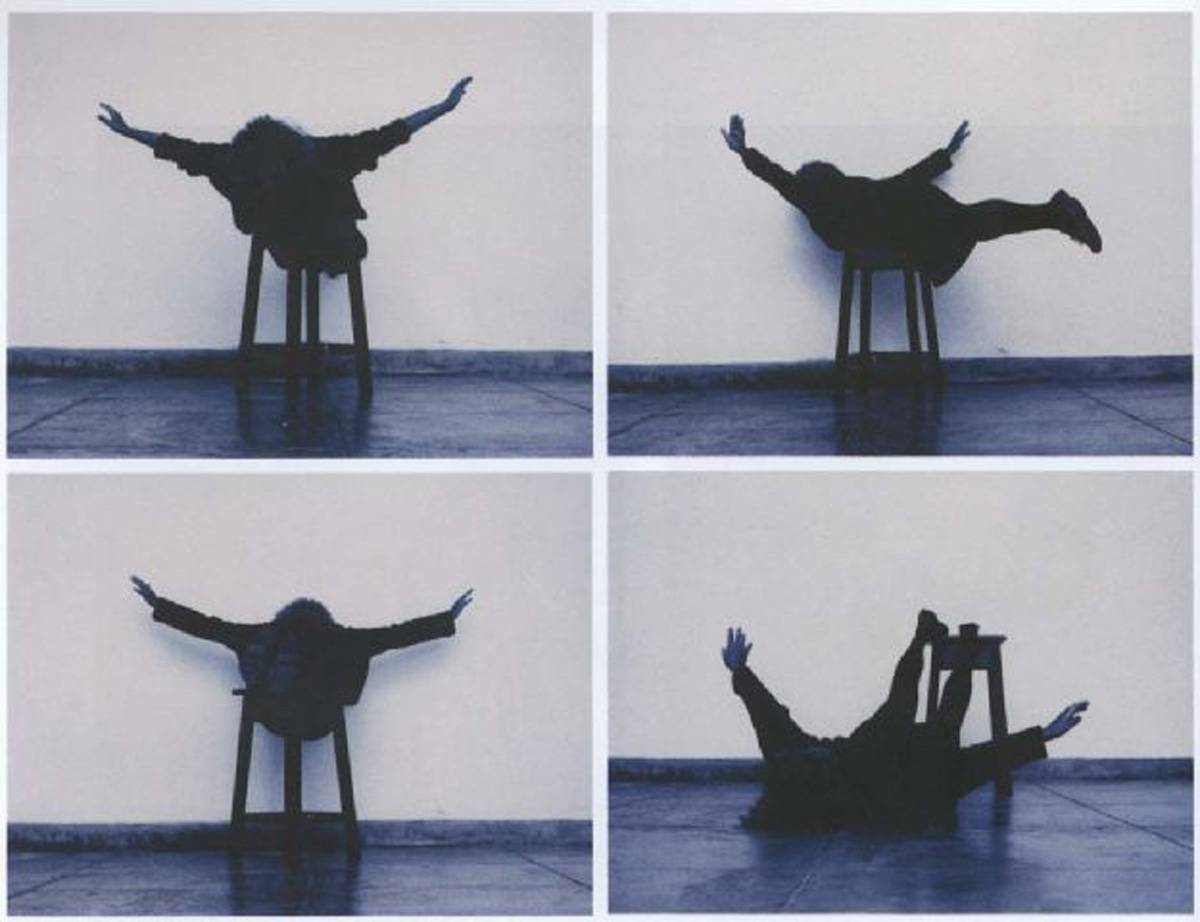
6 Almeida, Voar, 2001, Helena_Almeida,_Voar,_2001,_4_fotografias,_124_x_180_cmImage 6: Helena Almeida, Voar, 2001

7 Almeida, VoarImage 7, Helena Almeida, Voar, 2001

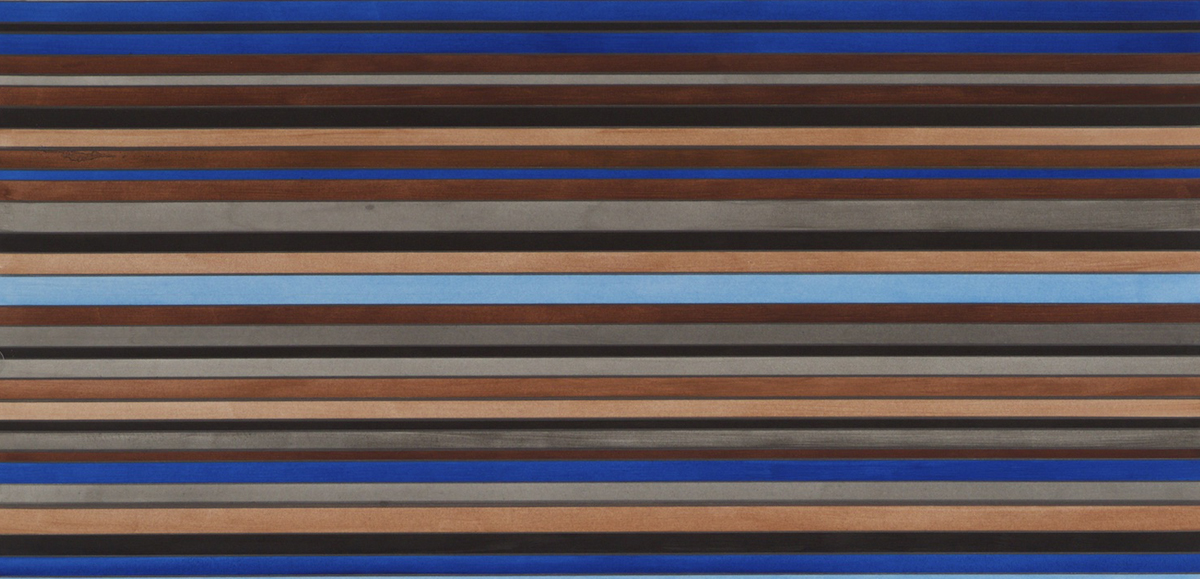
ARTE LISBOA 2010Image 8, Drawing, Helena Almeida, 2014

9 Almeida, Drawings, 2014 Helena-Almeida-No-Ref-6505-Drawing-2014-Black-and-white-photograph-130-x-195-cm-Unique-pieceImage 9, Drawing, Helena Almeida, 2014

If you are new to my blog and would like to read my previous posts on my project with Indian artist Nasreen Mohamedi as my guide go to the top of the blog and press the small 3 horizontal lines and go to my archive page to look for previous posts. Also if you would like to “follow” me, you can press the follow button at the top of the blog and it will ask for your email address so that whenever i make a new post you will get a notification. You can also “comment” publicly on my posts. Thanks for your interest.

What did I learn in my studio practice with Nasreen and installing and reinstalling my work? Also BIG NEWS on Nasreen Mohamedi exhibit – posted in Boulder July 20th 2015

Art

above: Wiggins, 2015, (detail) ink and graphite on paper

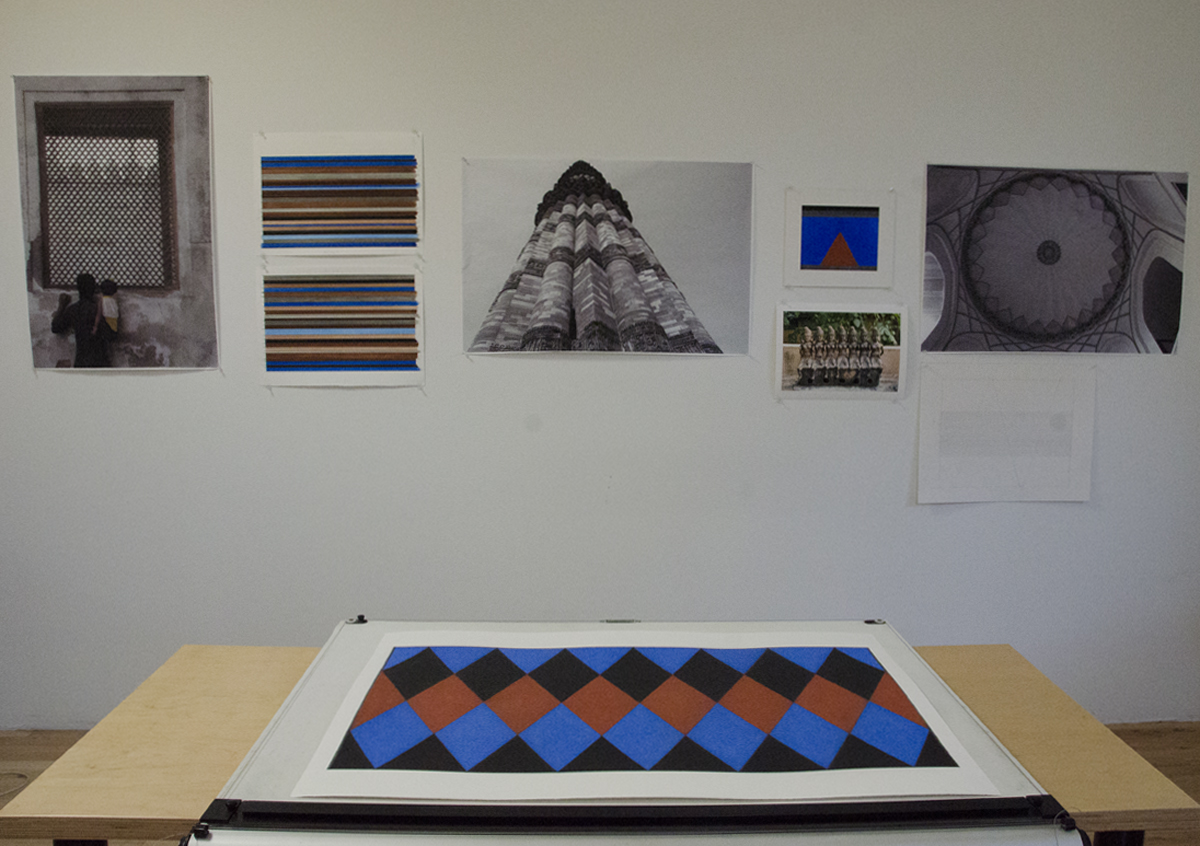
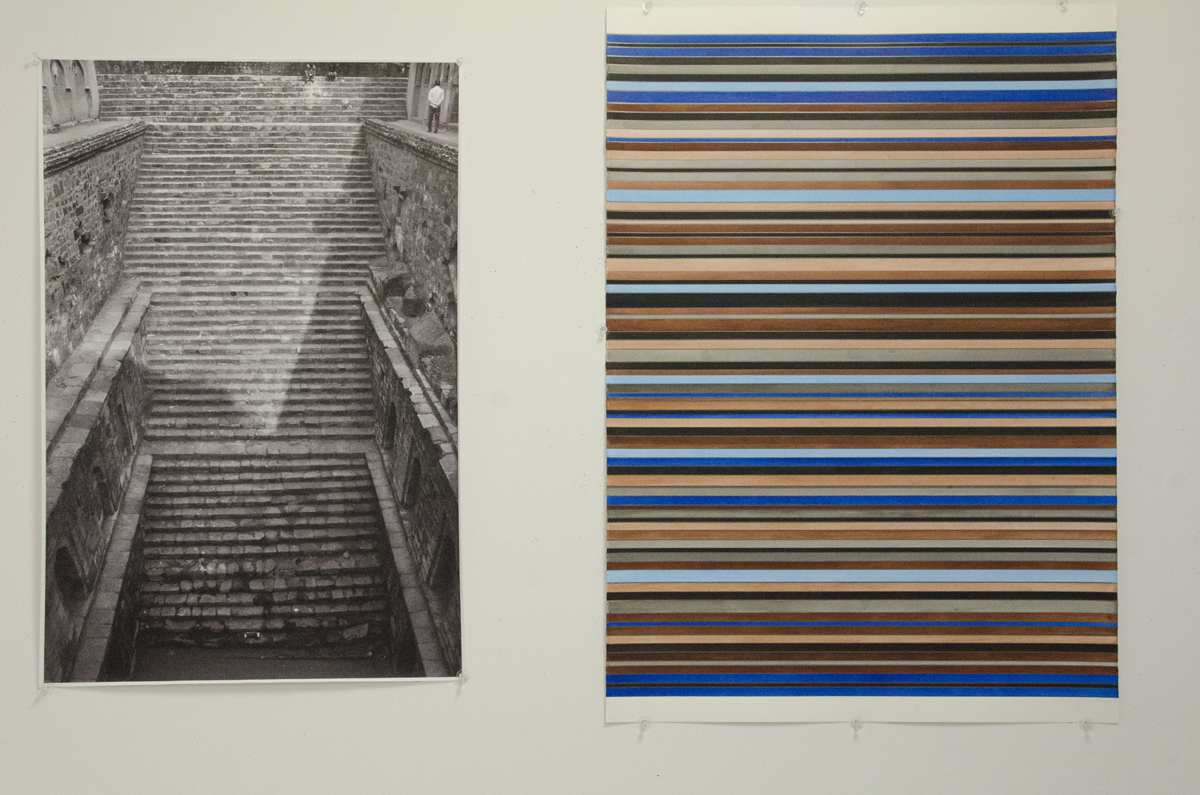
I hung my drawings and photographs for a weekend exhibition of “work in progress” a few weeks ago and invited people into my studio to see the work and hear about my process with Nasreen Mohamedi as my guide. I hung the 30” x 40” drawings I had worked on in my studio for the last several months and the 24” x 36” photographs from Delhi quasi – salon style and all unframed. I was trying to show that the photographs of Mughal architecture and monuments in Delhi inspired the drawings and I was referencing them in various ways in the drawings. The drawings are abstract and drawn in ink and gouache and graphite. The photographs are mostly very spacial and geometric – the black and white photos and muted tones of the color photos make them somewhat abstract. My photographs are not as abstract as Nasreen’s photos. Nasreen never showed her photographs she only exhibited her drawings. My drawings are “Sherry style abstract,” even though I was getting cues from the architecture and from Nasreen. I think the drawings also reference my installation and sculpture work as well as well as my other drawings – but they are also a leap forward for me into new territory on paper. I feel very good about the exhibit and my friends and family have given me great feedback on the drawings as well as the photographs.

After the weekend exhibition my dear friend Cydney Payton, who is also an independent curator, came to town to visit and she rehung the whole exhibit. We took all the photographs down and gave the drawings the entire space. We put one small photo of Sanskriti on the south wall. It was a little difficult for me since the big digital prints that Ron Landucci of Infinite Editions made for me are quite beautiful – but the drawings really work with lots of space around them. Here are some great installation shots of the drawings by themselves that my friend photographer Robert Kittila just took.

ArtArtArtArt

Here are a few installation shots I took with the 30” x 40” drawings and the 24” x 36” photographs hung together salon style.

1 1200 72dpi east wall pics and draw 3 _DSC60733 1200 72 dpi stripes and mosque 5 _DSC6075

4 1200 72dpi west wall pics and draw 1 _DSC6094

So what did I learn with Nasreen and without her in these last few months in the studio with my drawing practice? What about the photographs? What did I learn from hanging and rehanging the work?

  • I learned that I love to draw space in this abstract manner
  • I learned something about my need for scale – these drawings have a physical presence and relationship to my body and to the viewer’s body, they are quite a big bigger than most of Nasreen’s drawings
  • this drawing practice is hard and rigorous work, requiring concentration and presence – meditation and North Indian classical music helped focus my attention
  • I need a lot of time to accomplish them
  • I want to keep making them, I have many more photographs from India that I want to work from
  • I like to use color and pigment in an elemental way that has some similarity to Nasreen, but she really went to pure black, white and greys in pen and graphite – I am using some brilliant pigment as well as muted washes
  • I really love the opacity of the gouache, the transparency and translucence of the India inks and the presence and power of the graphite
  • I should try printing the photos the same size as the drawings
  • I should keep going with the photographic practice and perhaps if I had a much bigger space to hang all the work there might be another way of showing the photographs
  • I benefit from the help of Cydney Payton who is a great curator – she helps me “see” my work differently
  • I was told by Dr. Dana Wiggins Logan that I am a “orientalist” – I agree but I need to think about this more
  • showing my work in the studio is a nice intimate way to look at the work with people

If you would like to see the work in the studio let me know. In mid August I am going to “put this work away” for a few months while I start to prepare for my next project with Portuguese artist Helena Almeida as my guide.

However, I just found out some BIG NEWS about Nasreen Mohamedi. The largest exhibit to date of Nasreen Mohamedi’s work, curated by Roobina Karode of the Kiran Nadar Museum in Delhi, will be opening at the Museo Nacional Centro de Arte Reina Sofia in Madrid opening September 22nd 2015. I will be in Portugal at that time and I will go see it in Madrid even though it is also coming to the Metropolitan Museum in New York in 2016 and then many of you U.S. people can see Mohamedi’s remarkable work too! http://www.museoreinasofia.es/en/exhibitions/nasreen-mohamedi

I will be posting my research before going to Portugal and posting while working at the Obras Foundation http://www.obras-art.org/obras-portugal.html in Portugal in September and October. If you would like to “follow” my blog go to the bottom right corner of the blog and click “follow” they will ask you for your email address and then you will be notified by email when I post. You can read past blog posts by going to the three bars at the top of the page and pressing the “archive” bar. I will continue to send out a link by email when I post as well. I have posted below the drawings and their “source” photographic images.

Invitation to an exhibit – Saturday June 27th noon to 5pm, Sunday June 28th noon to 5pm

1200 3 images work in progress

I am getting ready for an exhibition in my studio of drawings and photographs from the “Nasreen and I in Delhi” series:

Saturday June 27th, 2015, noon to 5pm, artist talk at 3pm

Sunday June 28th, 2015, noon to 5pm, artist talk at 3pm

As you may know, in October and November of 2014 I spent several weeks as an artist in residence in Delhi, India at the Sanskriti Foundation. I was doing research on the work of Indian artist Nasreen Mohamedi (1937 – 1990) and making my own work in relationship to Mohamedi’s. Nasreen’s art takes form in beautiful linear and minimal drawings and paintings as well as in restrained black and white photographs. I did extensive research on Mohamedi’s work and took many photographs of ancient sites with Nasreen as my “guide.” I came home to my studio and have been working on a set of drawings based on my experiences in India and my contemplations with Nasreen. I would love to share this “work in progress” with you in my studio in Boulder. If you live far away – I will post installation images once I have the work up.

If you are new to my blog you can go above to the three bars at the top of the blog and look at the archive page which shows my previous posts – and read about my research and travels and work on this project.

My studio is in my home at:

3014 13th Street

Boulder, CO 80304

home 303-444-1162, cell 303-547-8451

* please note there is not alot of parking you might need to park on Elder

* if you are not able to come on Saturday or Sunday call me to set up another time

what’s going on in my studio – posted May 2, 2015 in Boulder

1200 72 in studio with diamonds_DSC5991

1200 72 dpi Baoli and Painting_DSC5973

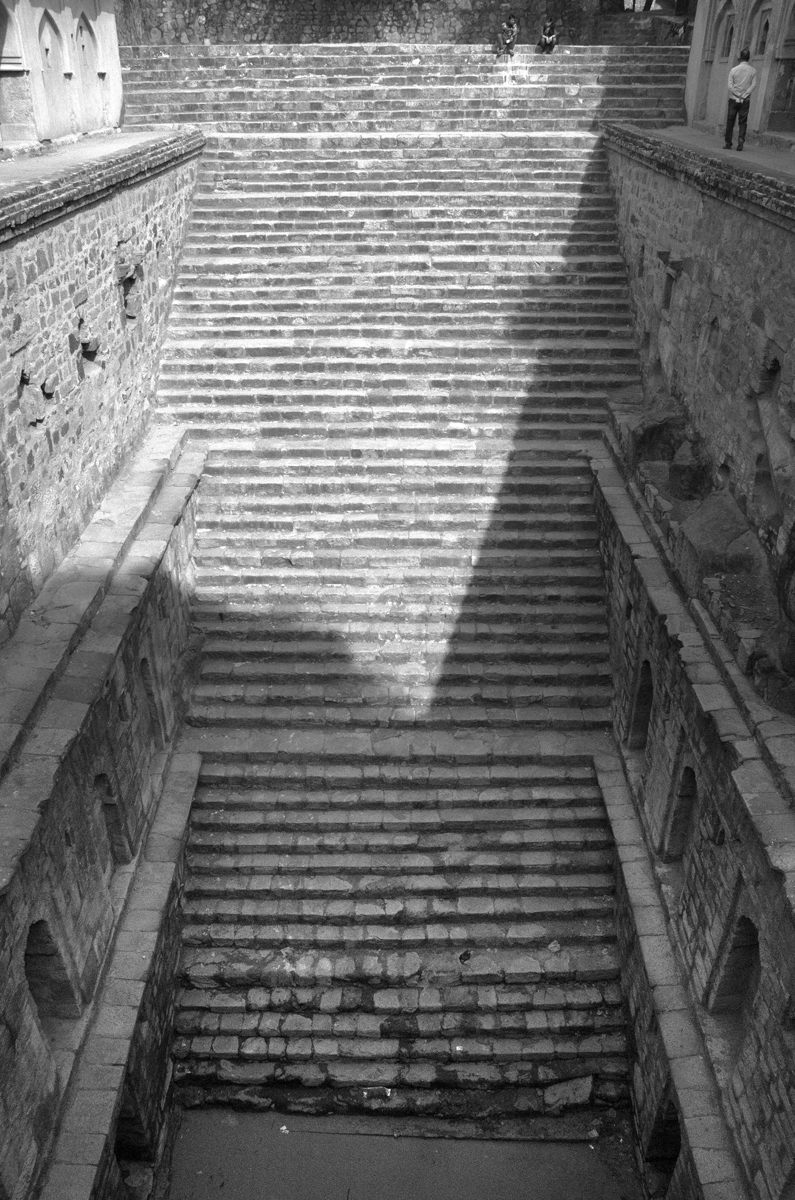
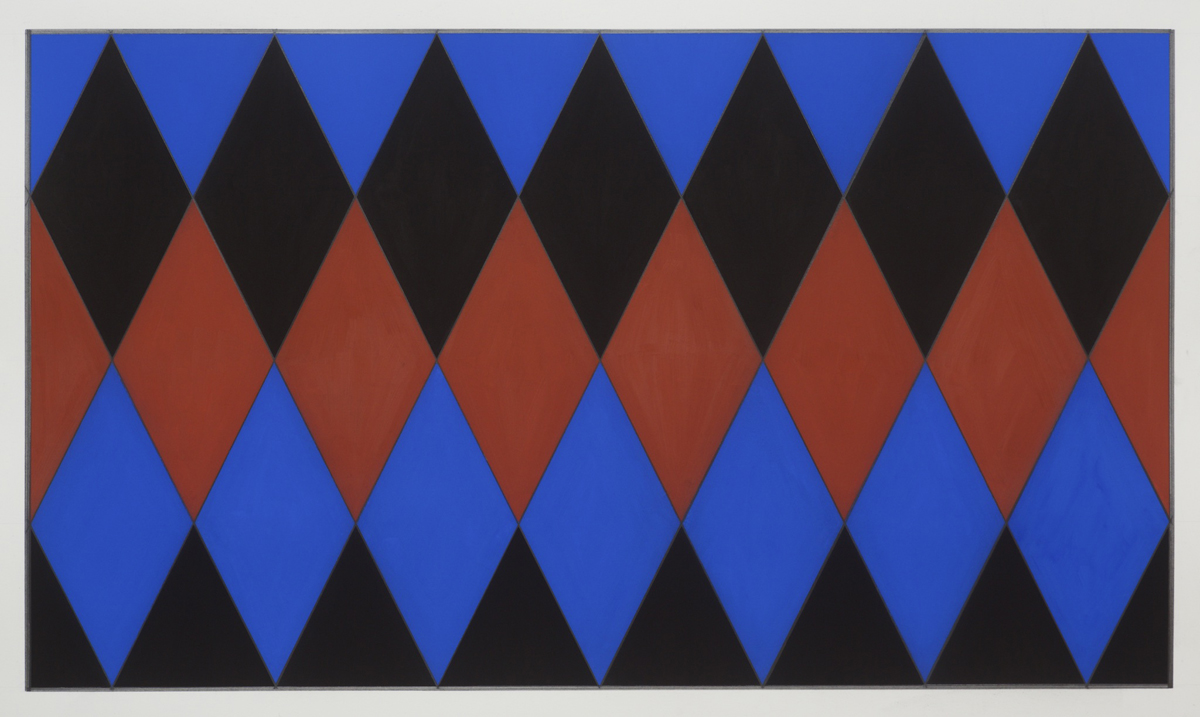
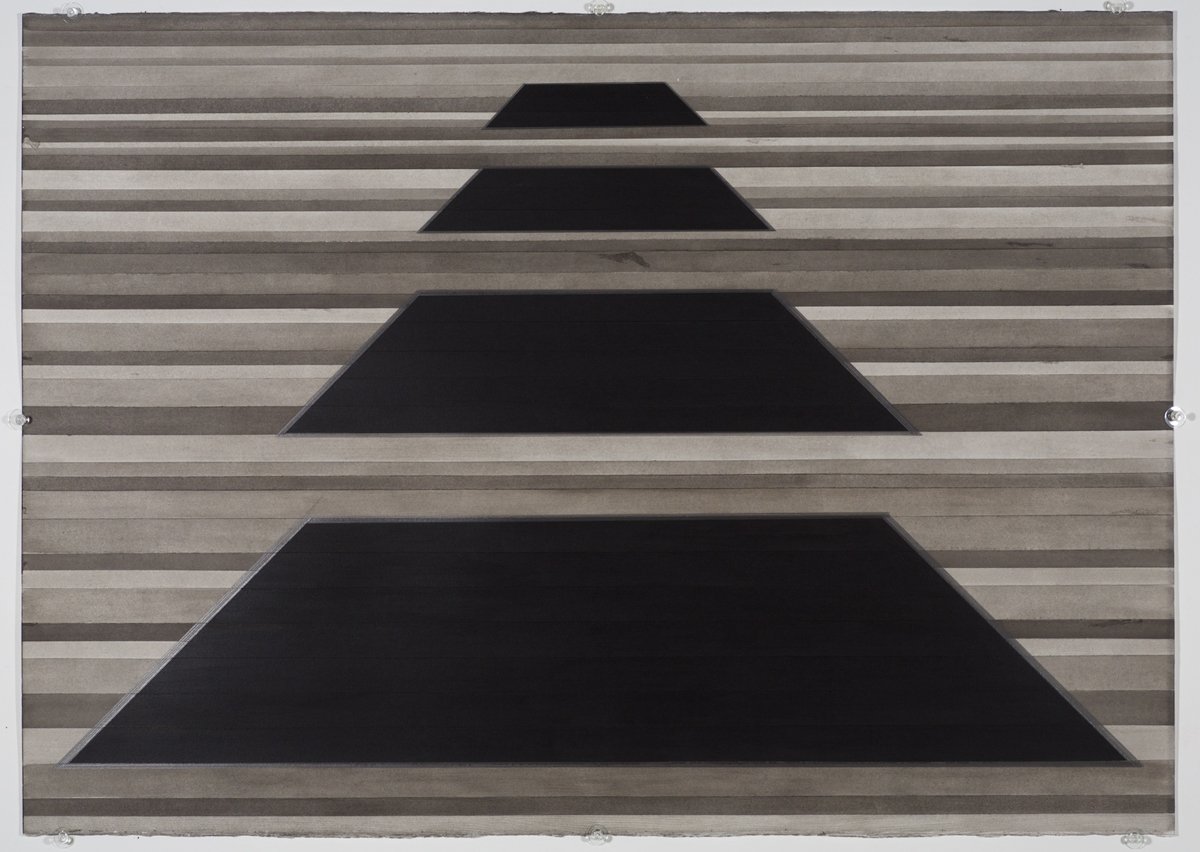
It has been some time since I have posted – I have been engrossed in my drawing practice. There is, of course, much influence from the remarkable artist Nasreen Mohamedi – my drawing has become much more laborious and exacting and hopefully more rigorous. I am using a large architectural drawing board that I dug up from the old days – working on 30in x 40in (75 cm x 105 cm) watercolor paper with gouache and India Inks and graphite. The size of my photographs and drawings is larger than most of Mohamedi’s work – it just feels like the right scale for me.

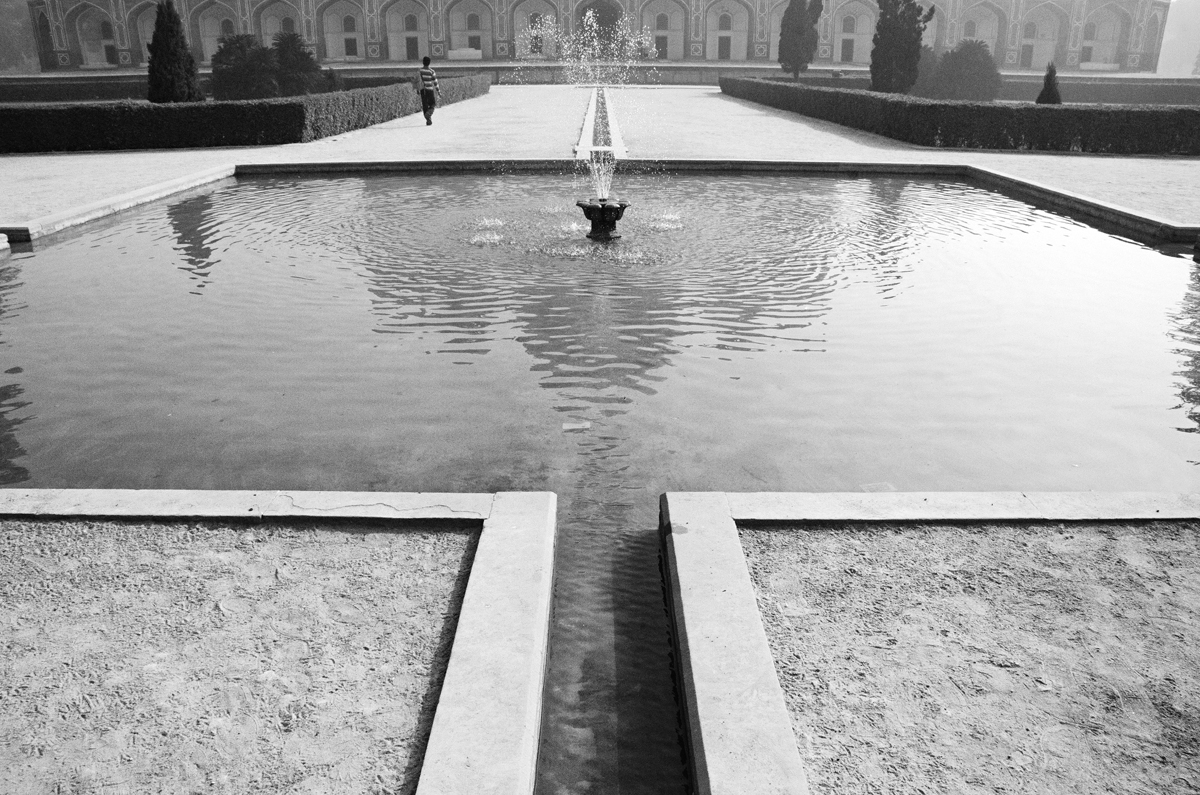
I am surrounded by the mostly black and white images of Mughal architecture that I took in Delhi. I am abstracting these architectural images further in the drawings. I think in many ways these drawings (and photographs) relate to my earlier work in installation and sculpture – it is like I am “constructing” these drawings/these spaces. The scale of the photographs and drawings is large enough that they create a physical relationship with my body as well.

I am using a palette of ink and gouache that is related to my experience of India both literally and symbolically – blue for air and water, browns and reds for the earth and the stone, deep black for space and spirit. I have to draw mostly in silence and during the early part of the day or I screw up the drawings. I just ruined one that I have been working on for a week. It is best if I meditate first. Sometimes I listen to Indian ragas, the rhythm helps me focus. Nasreen listened to Indian classical music as well. Anyway I am compelled and I feel a relationship to this drawing practice that is something I have been yearning for.

I am thinking I will have an informal exhibit in June in my studio of the “work in progress.” I will let you locals know when. Then later in the summer I will start research for my upcoming project and residency at the Obras Foundation in Portugal in September with Portuguese artist Helena Almeida as my guide. However I have a strong feeling that this work with Nasreen in the studio will be an ongoing and evolving part of my practice.

Also, if you are new to my blog, you can go up to the 3 bars at the top of the blog and go to the archive section to look at previous posts. I started this blog in October of 2014 to document my project and residency in India titled “Nasreen and I in Delhi” and my larger ongoing project with other remarkable women artists of the 20th century. You can “follow” me and you can also make comments if you like :-).

my lineage of female/feminist curators/writers/artists/thinkers of the 20th and 21st century – posted 3/17/15 in Boulder

Lippard 51Tut80r4eL

I recently gave a presentation of my current project with Nasreen Mohamedi “as my guide” to a lively group of MFA students at the University of Colorado in Laurie Britton Newell’s visiting artist class. Laurie hails from the U.K., where she previously worked as a curator at the Victoria and Albert Museum. Anyway it was an interesting group of artists/students and Laurie is a very perceptive and interesting curator/teacher/thinker herself.

One of the questions the students brought up in discussion was “how do I find these exceptional women artists of the 20th Century?” The answer is – with the aid of my well developed stable of brilliant women thinkers. Throughout my working life as an artist I have relied on the hearts, minds, eyes, ears and feet of many great feminist and female critics, curators and writers.

I studied with Lucy Lippard in the 80s while I was an undergrad at the University of Colorado. As a youngish woman sculptor/artist I remember reading Lucy’s 1976 book on Eva Hesse and being overwhelmed both by Hesse and Lippard.  Lucy was a huge influence on me and she continues to be a dear friend as well as a model for me in my approach and research and interests. You know she is just remarkable – her lifetime of work as an art critic, curator, writer and activist has served to broadcast the voices and issues that are unheard and underrepresented in traditional art criticism and curatorial practice – and she just keeps working. Lucy is also totally approachable and supportive and kind. I met Cydney Payton in the early 90s and we immediately formed a relationship. When Cydney came to Boulder to be the director and curator of BMOCA we curated an exhibit together called Women on Site – a site-specific exhibit with works by Terry Maker and Judi Strahota among others. Cydney and I are very good friends and she is a constant resource for me in working out all matters conceptual and art practice wise. The book pictured below documents two exhibits that Cydney curated when she was director and curator at MCA Denver – Decades of Influence and Extended Remix. Poet and feminist and remarkable person Susan Edwards was another big influence on me in the 90s and we collaborated on a major project together at BMOCA with Cydney’s support. Pictured below is Susan’s beautiful book The Wiid West Wind – Remembering Allen Ginsberg. I have also relied on the advice and support of my dear artist friends Ana Maria Hernando, Barbara Shark and Jane McMahan in a studio group that has been going on for more than 15 years.

Lippard 61uiuuT7AaLLippard 412Ea-9TbhL

Payton image958 Edwards 51KHC9SVFHL._SX258_BO1,204,203,200_

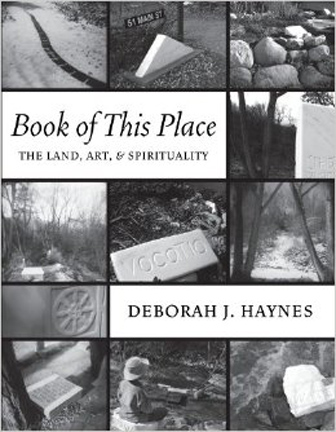
When I went to graduate school in 2002 at the University of Colorado I received tremendous support from Yumi Janairo Roth, Antonette Rosato, Deborah Haynes and Claire Farago. Deborah Haynes, a writer, an art historian and an artist herself has been a wonderful resource for me. A few of her books are pictured here. One of my works during graduate school was a video titled I have been reading Simone De Beauvoir. So Simone has had my back as well. Of course I have had many great male teachers and collaborators and role models as well, but I do rely on my great female thinkers.

Haynes 41DQ52XGC4L._SY344_BO1,204,203,200_ Haynes 51ra2W6FiIL._SX258_BO1,204,203,200_ De Beauvoir 457264

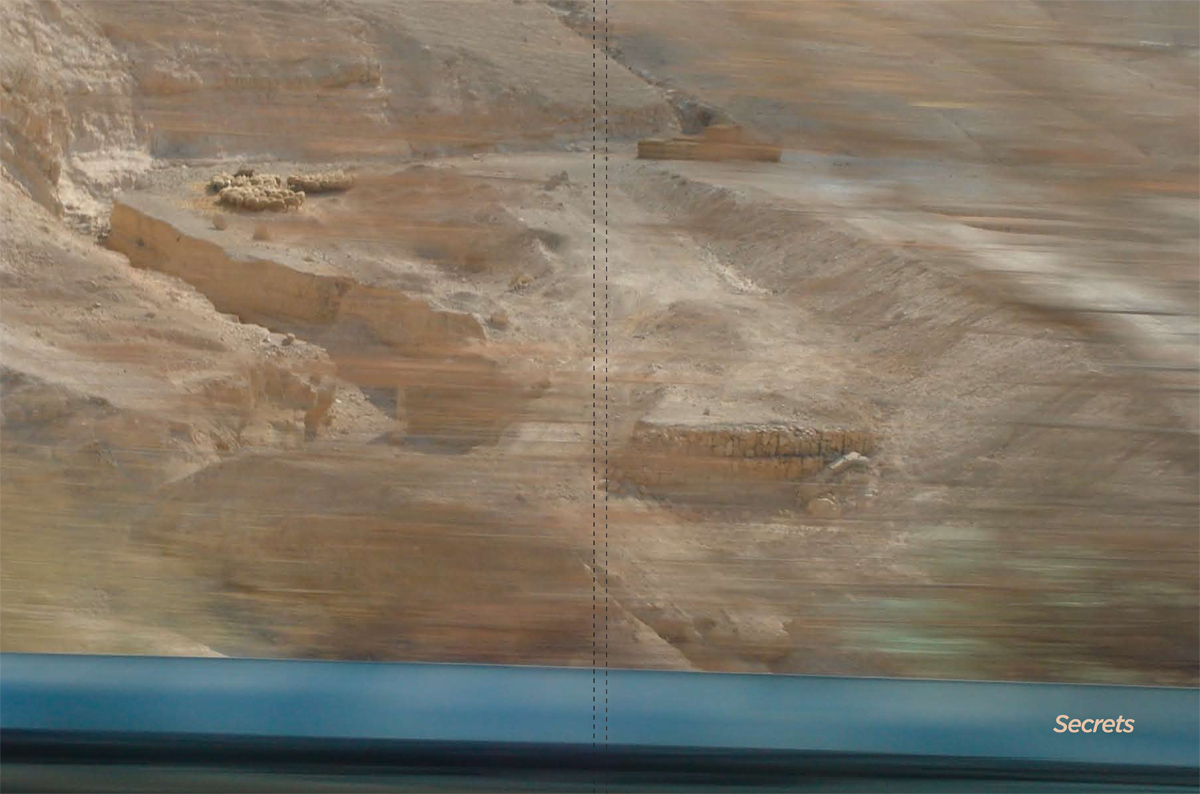
In this century I have become much more interested in the work of women artists from other parts of the world. I have spent a lot of time in the Middle East and worked with some remarkable women artists there. Working with the 6+ collective (Sama Alshaibi, Wendy Babcox, Rozalinda Borcila, Mary Rachel Fanning, Yana Payusova and myself) here and in Palestine has been a huge experience for me. They (6+) have all been a tremendous source of inspiration and strength for me. We dreamed up an international exhibit titled Secrets in 2006 with our own work and the work of eight remarkable Palestinian women artists – Nadira Araj, Rana Bishara, Reem Bader, Rula Halawani, Nathalie Handal, Shuruq Harb, Faten Nastas and Larissa Sansour. We traveled the exhibit all over Palestine (which is a remarkable feat if you know anything about Palestine) and brought the exhibit to the U.S. and produced a beautiful catalogue designed by Pam Beverly with wonderful essays by Lucy Lippard and Maymanah Farhat. Maymanah is a curator and writer and art historian who has written extensively on contemporary Arab art including a book on Palestinian artist Samia Halaby. You can read the catalogue for the Secrets exhibition here as a pdf or I can send you a hard copy of the Secrets catalogue – I still have quite a few. For the cover for the catalogue pictured below we used one of Rozalinda Borcila’s images of the desert taken while we were driving in the Occupied Territories of Palestine.

Click here to read the Secrets catalogue – Secrets Catalogue

Farhat 41par7QON9L secretscover2

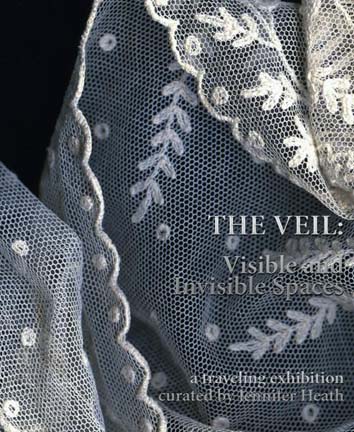
Writer and curator Jennifer Heath has become a good friend and someone whose thinking and knowledge I rely on. We share an interest in the Middle East and specifically in women in the Middle East. Her book The Veil: Women Writers on It’s History, Lore, and Politics – unpacks some of the misconceptions about the veil across many cultures. The corollary exhibit that she curated The Veil: Visible and Invisible Spaces was a wonderful and illuminating contemporary art exhibit that traveled extensively and further deconstructed notions of the veil. I was honored to be included in the exhibit. Jennifer is a champion for women and artists across many cultural boundaries.

Heath 9780520255180 Heath 2156402-4c1608500f3a9e1b3e33c1360f61ac9d

For my current project with remarkable women artists of the 20th century I have spent significant time mining the work of some of the other major international feminist critics and curators of our time. Catherine de Zegher is one of those writers and curators that I follow. She was the chief curator and executive director at the Drawing Center in New York from 1999 to 2006 and during her time there, showed many well known women artists such as: Eva Hesse and Agnes Martin. She also exhibited the work of Nasreen Mohamedi and Helena Almeida and many other lesser known (in the U.S. at least) international women artists such as Hilma af Klint, Anna Maria Maiolino and Bracha Lichtenberg Ettinger and many many more. Her writing and curatorial projects are extensive in the female contemporary art project – her most recent anthology/book women’s work is never done compiles essays she has written on many remarkable women artists of the 20th and 21st century. So she is another one of my heroines and by following her it has helped me find some of these remarkable women artists with whom I am engaging.

de Zegher 61K8FT48Y7L de Zegher 51kO5HM-tdL

Catherine de Zegher is part of a larger network of remarkable international women contemporary art critics and curators that I am coming to know: Geeta Kapur is very much one of them and her work on Nasreen Mohamedi is significant as well as her writings on Indian and world contemporary art. I came upon Roobina Karode’s work in relationship to Nasreen Mohamedi and was so happy to meet her, she is a remarkable female curator and writer herself.

Kapur 1-3345188468

I hope to learn more about the work of Helena Almeida through Portuguese critic and curator Isabel Carlos who is the Director of the Center of Modern Art at the Gulbenkian Foundation in Lisbon, as well as through Spanish curator and art critic Maria De Corral – who curated the 51st Venice Biennale in 2005 with Rosa Martinez. Many of these remarkable contemporary women critics and curators have accomplished great work in directing major international biennials and in their writing and research and curatorial projects. I think that we in the U.S. are isolated from this vast vibrant international art scene. So I am interested in shedding some light on various women artists who have not had a lot of exposure in the U.S.

de Corral 51HSXVA9VQL._SX258_BO1,204,203,200_

My more recent relationships with female curators and thinkers and writers are exciting for me as well. Laurie Britton Newell has become a new friend of mine and I hope to continue our informal discussions about art. Laurie’s exhibit at the Victoria and Albert Out of the Ordinary: Spectacular Craft was a wondrous show. Laurie has given me some great advice on my recent project – she told me that she saw me continuing “eastwards” in my research and search with women artists. She also said the whole “Sherry Wiggins Private Investigator” aspect of dredging up these under known artists is part of the charm.

Newell PastedGraphic-1

And last but not least in my lineage are my daughter Dana Wiggins Logan and one of her best friends Sarah-Neel Smith. They are both brilliant young academic women. Dana is one of my major intellectual confidantes and though her discipline is religious studies and American religion specifically, we share common interests in anthropology and philosophy and she is quite smart about things I understand little about like “critical theory.” She has always shown interest in my work and has helped me with my studies and thinking and writing. She encouraged me to get help with my writing a few years ago and suggested her good friend Sarah-Neel Smith might help me. Sarah-Neel is currently finishing her PhD at UCLA in art history; she specializes in global contemporary art with a specialty in post war Turkish contemporary art. Smith has written for Frieze and Bidoun as well as her more academic research and writing.  Sarah-Neel gave me tremendous support when I started writing for my project with “remarkable women artists of the 20th century.” I asked Sarah-Neel who she suggests that I look at during my long-term project with remarkable women artists and she suggested the Turkish artist Fusun Onur.

I am now ready to think about who I might pick to work with in 2016 – after I am finished with Nasreen Mohamedi (though I might stay with her forever) and after my work with Helena Almeida in the fall of this year in Portugal. I am doing more research on Fusun Onur (b. Istanbul 1938) she is still living and is considered one of Turkey’s pioneering contemporary artists. She is also considered Turkey’s first “installation artist”, so she might really make good sense for me. Thank you Sarah-Neel Smith. Below is pictured the cover of the Fusun Onur  “scrap book” put together for Documenta 13 by curator Carolyn Christov-Bakargiev. You will probably be hearing more about Onur and Christov- Bakargiev on this blog at some point.

Fusun Onur 61qiZ4rklvL._SX258_BO1,204,203,200_

If you all have any suggestions for my research please let me know. So there you have it, my personal lineage of remarkable women thinkers/curators/artists/writers.

abstract drawing –transmission, reception, noise – posted 2/24/15 in Boulder

1200 72dpi David_Austen,_Untitled_(Blue)_14.10.95,_1995,_Gouache_on_paper,_59_x_45.5cm_paper_size,_64.5_x_51_cm,_frame_size,_Courtesy_of_the_artist,_Credit_Peter_white_1

drawing 1: David Austen

1200 72 dpi Susan_Hefuna,

drawing 2: Susan Hefuna

1200 72 dpi HESSE20319_LO_RES (1)

drawing 3: Eva Hesse

1200 72 dpi Serra__Richard_LO_RES

drawing 4: Richard Serra

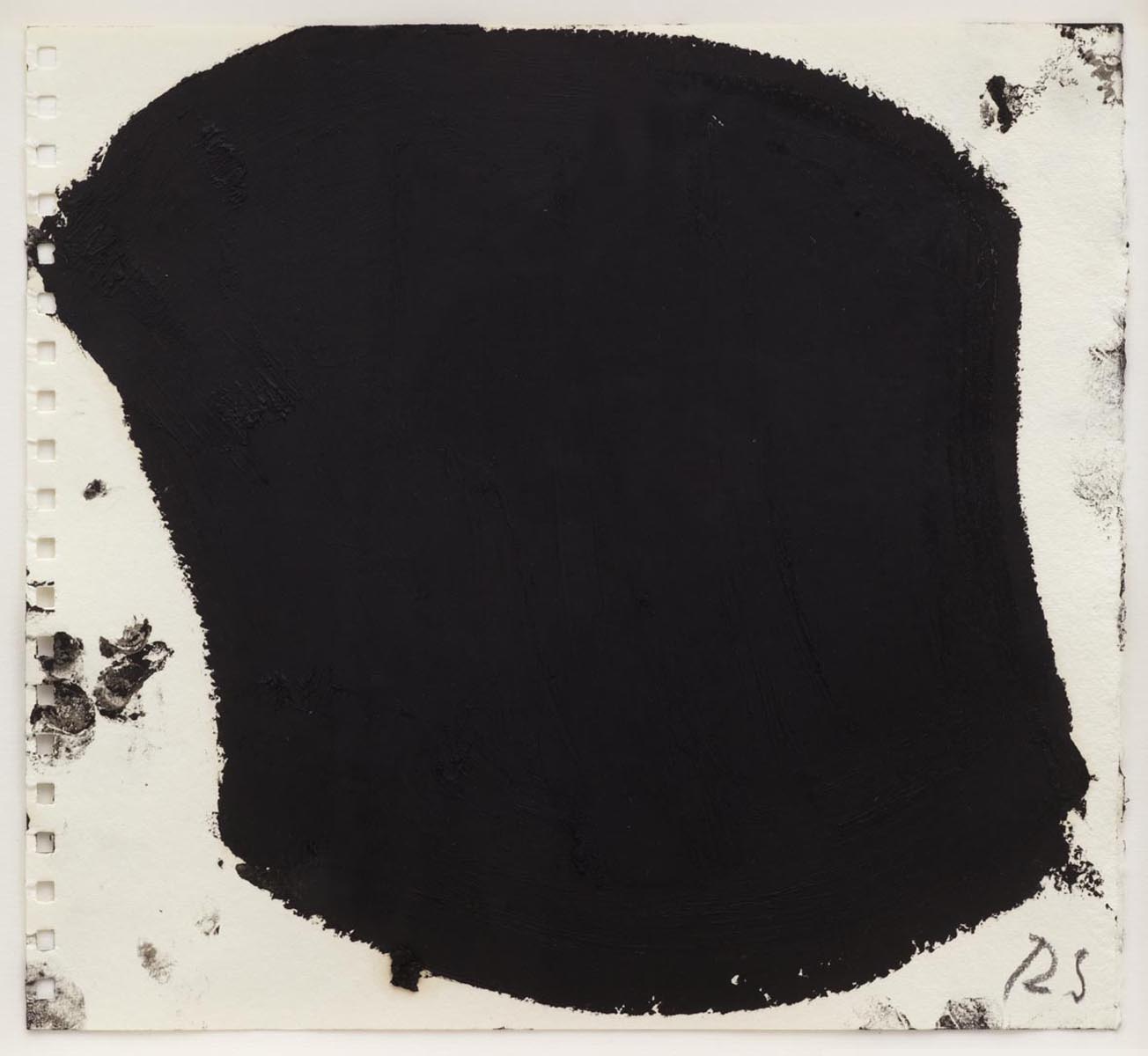
above are drawings from the  “Abstract Drawing” exhibition curated by Richard Deacon. Drawing 1 : David Austin, Untitled (Blue), 1995, Gouache on paper, 23 x 17 in. Drawing 2: Susan Hefuna, Building, 2009, Ink on layered tracing paper, 19 x 24 in. Drawing 3: Eva Hesse, No title, 1965, Ink on paper, 25 x 19 in. drawing 4: Richard Serra, Untitled, 2009, Paintstick, 9 x 10 in.

I have been reading and looking at the catalogue from an exhibit at the Drawing Room in London in 2014 that British artist Richard Deacon curated titled “Abstract Drawing.” In this exhibition Deacon selected multiple abstract drawings from 30 artists from the early 20th century to present. Several of “my” exceptional women artists of the 20th century whom I am researching are included – the earliest drawings in the exhibit are Swedish “abstractionist” and spiritualist Hilma Af Klint’s sketches from 1906 to 1909. My dear Nasreen Mohamedi’s drawings and photographs are included, Brazilian artist Mira Schendel’s drawings are included as well as several of my other favorite women artists – Eva Hesse, Anni Albers and Susan Hefuna. Some of my favorite male artists/drawers are in the exhibit as well – Kazimir Malevich, Sol Lewitt, Anish Kapoor and Richard Serra. There are many contemporary artists/drawers like David Austin with whom I was not familiar – but now I am very excited to learn about their work.
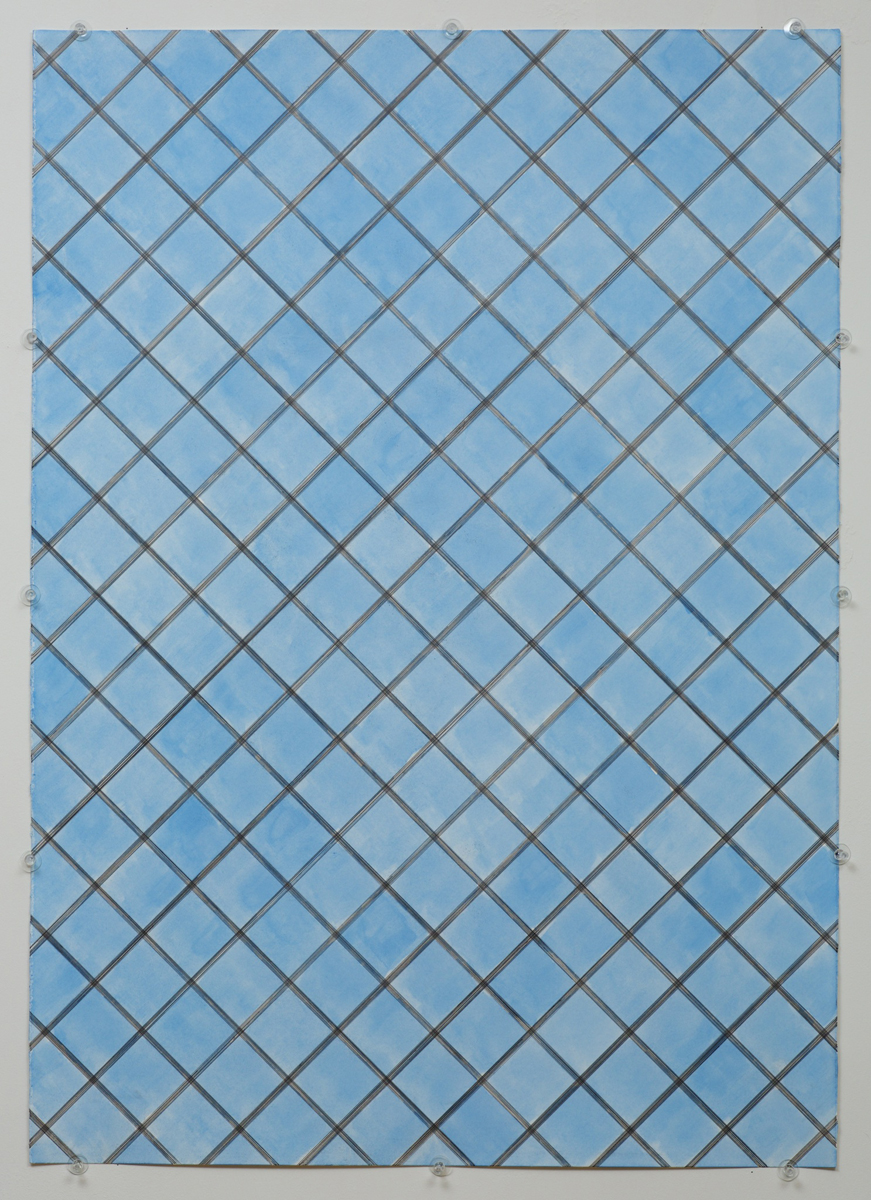
I have never really thought of myself as an abstract artist – more as a conceptual artist. However I have been thinking about what “abstraction” means in my own work as I have been contemplating how to make drawings that are pulled/drawn/withdrawn from the digital images that I took in India of various architectural spaces.

Deacon wrote a wonderful essay for the exhibit and catalogue titled “Transmission, Reception, Noise: Abstract Drawing” in which he analyzes the different drawings in the exhibit through these concepts that are normally associated with the transmission of radio waves and other kind of information systems. I love this conceit as a tool to look at these different artists’ abstract drawings and as a way to think about my own work too. Richard Deacon writes in his essay:

 “ In general, abstraction in art seems to belong to the twentieth and twenty-first centuries. In acknowledgement of this, my selection begins with a sketchbook of 1906-09 by Hilma Af Klint and a Suprematist drawing of 1917-18 by Kazimir Malevich. The Af Klint is wonderful. In these early sketchbooks of hers, before the visionary sources and destination of her inspiration became clear, the drawings contained evidence of an open-eyed attempt to put something down while trying to learn at the same time. Malevich, on the other hand – in the middle of the most profound uprooting of all order in the world around him and a re-evaluation of all value – notated a reorganization of space and time. His was a vision of non-objectivity, in a world (and it is important that a world remained) purged of matter but not of material, and organized around the basic geometries of rectangle, circle and square. The Suprematist composition is a blueprint for the future. If Af Klint is a receiver, then Malevich is a transmitter.”

Deacon also puts Nasreen Mohamedi’s drawings and photographs in the category of “transmitter” as he does with Kazimir Malevich. He writes of Mohamedi:

“The underlying premise, and promise, of her work (Mohamedi) is modernist, and her practice is deeply indebted to the abstract in photography. Her drawing can be seen as recording, or perhaps notating, the refraction and partial reflection of light on a surface. The second work (the photographs) consists of three images on sheets of photographic paper. It is the result of the successive masking and exposing of light-sensitive paper, partially developing the print and reworking it, until the final image is generated and fixed.”

1200 72 pi Nasreen_Mohamedi__Untitled_LORES_800_1910_s

Nasreen Mohamedi, Untitled, c. 1970-79, Black and white photograph, 35 x 15 in.

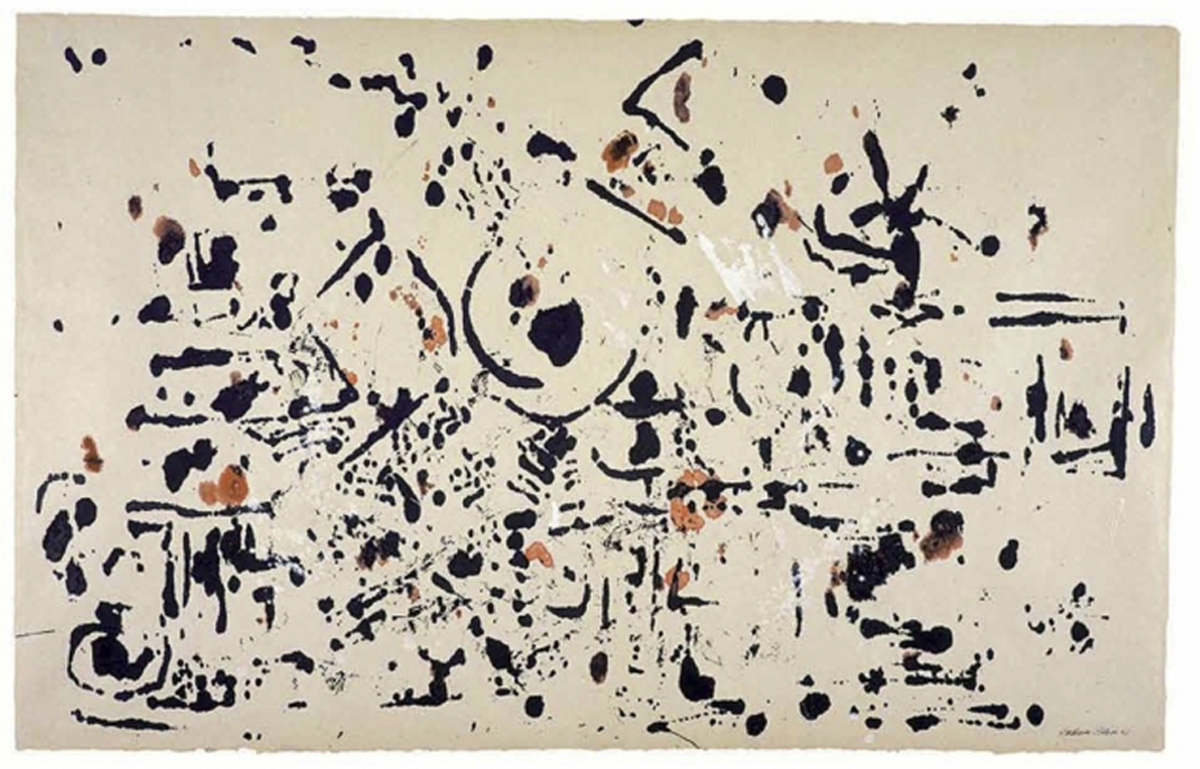
He writes about the concept of “noise” in abstract drawing in relationship to Jackson Pollocks’ drawing in the exhibit:

“The third pole in this configuration of exemplars is the untitled Jackson Pollock drawing of 1951, which, in terms of the transmitter/receiver analogy, would be akin to something like noise in the channel. The work is simply made by dribbling coloured ink onto two sheets of paper, one on top of the other. It is the one underneath that is shown here, the mark-making having twice distanced from the producer: first by being removed from direct contact with the artist’s hand and second by being further filtered by the top piece of paper. What is made is therefore doubly stripped of conscious control and yet, paradoxically, highly intentional.”

1200 72 dpi Jackson Pollock lb_58950

Jackson Pollock, Untitled, 1951, Ink and gouache on paper, 24 x 39 in.

Anyway I have found it illuminating to look at other artists’ work and my own abstract drawings (and photographs) with Deacon’s analogy of transmission, reception and noise in mind.

I found this great little film about “Abstract Drawing” at the Drawing Center in London that gives a feeling for what looks like a fabulous show:

my proposal for a residency in Portugal was accepted – Helena and I on site at Obras – posted 1/28/15 in Boulder

11 x 13 HelenaAlmeida_01_EstudoParaUmEnriquecimentoInterior_1977 copyMaya

Left 6 images: Helena Almeida, from the series Study for Inner Improvement, 1977. Right Image: Sherry Wiggins, from the series Me and Maya, 2013.

I am so excited I just found out my proposal was accepted for a residency in Portugal this fall. I am intent on continuing this intersubjective practice with more remarkable women artists of the 20th Century like I have done with Indian artist Nasreen Mohamedi and avant garde filmmaker Maya Deren. I made a proposal to the Obras Foundation (near Estremoz, Portugal) to make a series of drawings and photographs that correlate to the work of internationally renowned Portuguese conceptualist Helena Almeida’s unique art making process. My friend artist Amy Clay, who has spent several years doing international artist residencies, recommended this residency in particular and because of my fascination with Helena Almeida I made the application. My dear friend and writer, curator, critical thinker Cydney Payton also applied and was accepted at Obras. So we will both be working in residence at the same time on our individual projects at Obras in Portugal this coming fall.

Obras website: http://www.obras-art.org/obras-portugal.html

There are many commonalities between my own art practice and Almeida’s that I would like to explore and also frontiers that Almeida pushes in her work that I would like to emulate. Almeida uses herself as the subject in beautifully choreographed work that crosses the boundaries of drawing, painting, performance, film and photography. Since the 1970s Almeida has utilized her body, usually cloaked in black clothing of some kind, as the form and subject for her black and white photographs. She often alters images of different parts of her body (her face, her legs, her hands, her mouth) with a signature overlay of blue paint. These works are usually serial works exhibited as large format black and white photographs with a cinematic presence.

Almeida’s work inspires me to push my practice to new limits and to “inhabit” my work more fully. I will be studying and researching Almeida’s work in the coming months. I will take the opportunity in Portugal to see her works in person, as I did with Nasreen Mohamedi in India. Perhaps I can find a way to meet her because she is still going strong (1934 -) and lives and works in Lisbon. She has an exhibit currently in Lisbon at the Galeria Filomena Soares: 

http://www.gfilomenasoares.com//en/expo/desenho/photos

You will see more about my project in Portugal and about Almeida on this blog. I have got my mileage plus plane tickets already for the September trip to Portugal. In the mean time I am working in my studio developing a different method of drawing that is somewhat related to Nasreen Mohamedi’s techniques but I am making it my own with her inspiration. It is slow going, but I am thinking about space a lot (wink).

6 x 7.8 Sherry PS Master (6x9) copy 26 x 7.8 voa copy

Left image: Sherry Wiggins, from the series Me and Maya, 2013. Right 4 images: Helena Almeida, from the series Voar, 2001.