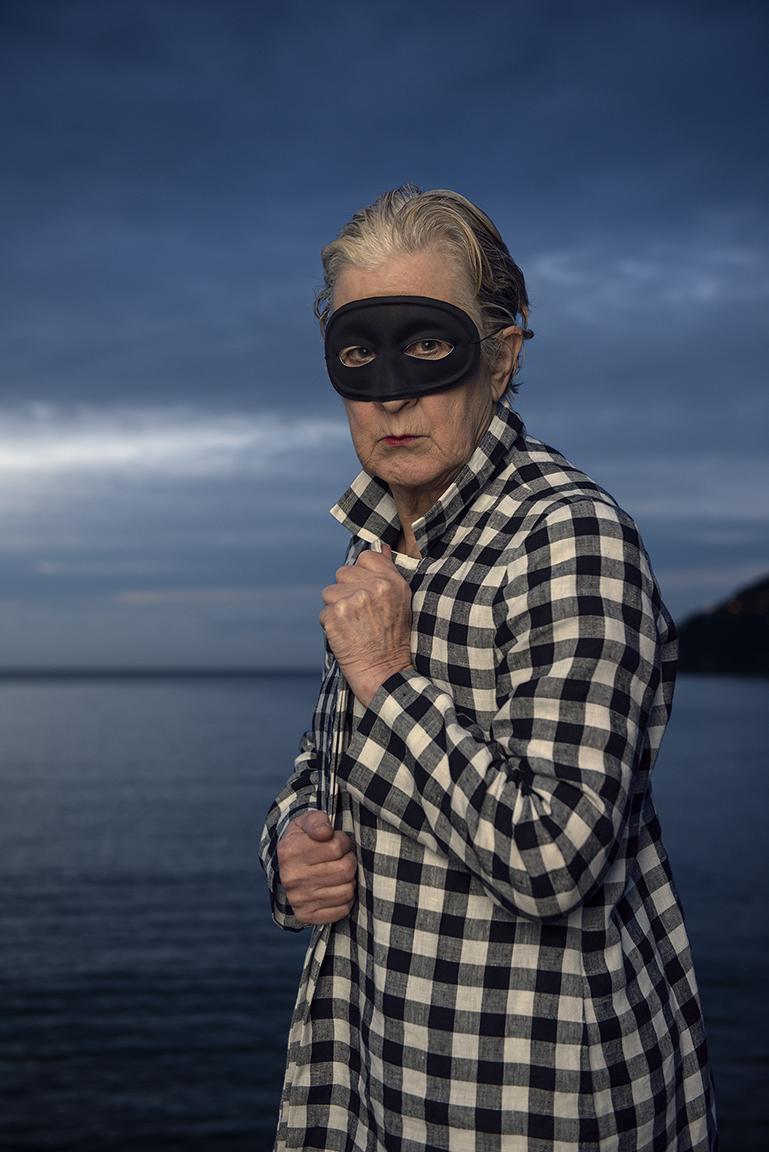
I’ve been thinking about Claude Cahun, Sherry Wiggins and LuÍs Branco, 2025.
Introduction
French artist, photographer and writer Claude Cahun (1894-1954) and her partner in art and life, artist Marcel Moore (1892 -1972), have been on my mind (and part of my art practice) for several years. Luís Branco and I shot the image above, as part of the series I’ve been thinking about Claude Cahun, while working at La Napoule Art Foundation on the French Riviera. I am thinking (again) about Claude Cahun and Marcel Moore as I prepare to make a pilgrimage to Jersey Island this February.
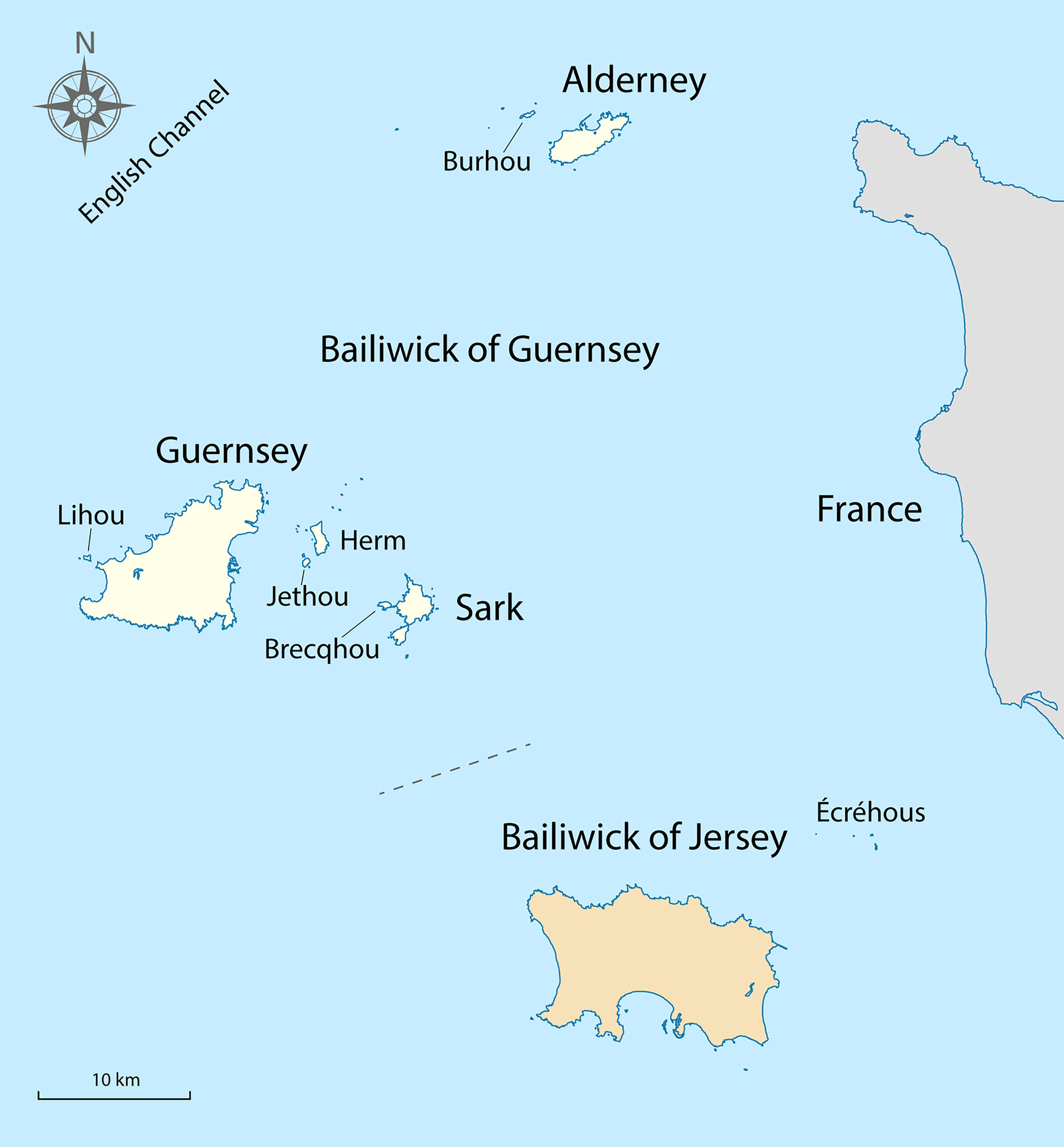
Claude Cahun (born Lucy Renée Mathilde Schwob) and Marcel Moore (born Suzanne Alberte Malherbe) lived out the last years of their lives on the island of Jersey, the largest of the Channel Islands, located in the English Channel between England and France. They moved from Paris to Jersey permanently in 1937. The Germans occupied Jersey (and the other Channel Islands) beginning in 1940; Cahun and Moore lived under German occupation from 1940 to 1945. During this period, Cahun and Moore undertook a valiant and creative campaign of resistance to the Nazis, the war and the occupation of Jersey. Four years into the occupation, they were discovered and arrested; they were jailed, tried and sentenced to death. Fortunately, the war ended, and the island was liberated before they were killed. They were released on May 8, 1945.
Jersey Heritage, an organization that protects the island’s culture and heritage, artifacts and archives, houses the largest collection of Cahun and Moore’s artworks, writings, and photographic works. Jersey Heritage also holds their letters and the records of their anti-Nazi, anti-fascist activities. https://www.jerseyheritage.org/history/claude-cahun-and-jersey/
St. Brelade’s Parish Church cemetery, beside the house where Cahun and Moore lived, is their burial ground. In my ongoing homage to and obsession with Cahun and Moore, I am making the trip to Jersey to explore the island where they lived and to make new photographs with my creative partner, photographer Luís Branco.
I will use feminine pronouns for Claude Cahun and Marcel Moore throughout this blog post. The gender-neutral pronouns we utilize today were not in use during their lifetimes. I will also stick, primarily, to the pseudonyms Claude Cahun and Marcel Moore that Lucy Schwob and Suzanne Malherbe adopted early in their lives.
In February of 2025, as artists in residence at La Napoule Art Foundation in France, Luís Branco and I created many new works in direct conversation with Cahun and Moore’s photographic works. These performative photographs reference works that Cahun and Moore made in the 1920s in Paris. Our combined images (both theirs and ours) are theatrical, sometimes campy, serious but not self-serious. I cut my hair short and acted out my more butch and thespian self. You can see many of these works on my website: https://www.sherrywiggins.com/work/m-in-training-with-claude-cahun
I shaved my head in an act of solidarity with Cahun. Cahun and Moore’s photographic portraits from roughly 100 years ago have been an inspiration for me and for many others. Cahun’s radical resistance to gender identification as either male or female, her fearless portrayal of the fluidity and theatricality of identity is so relevant today.
On a personal level, Cahun’s work has been a provocation to examine my own cisgender female identity. The haircut was liberating for me: through it I realized that I identify (in current terminology) as a straight femme living in a queer world.
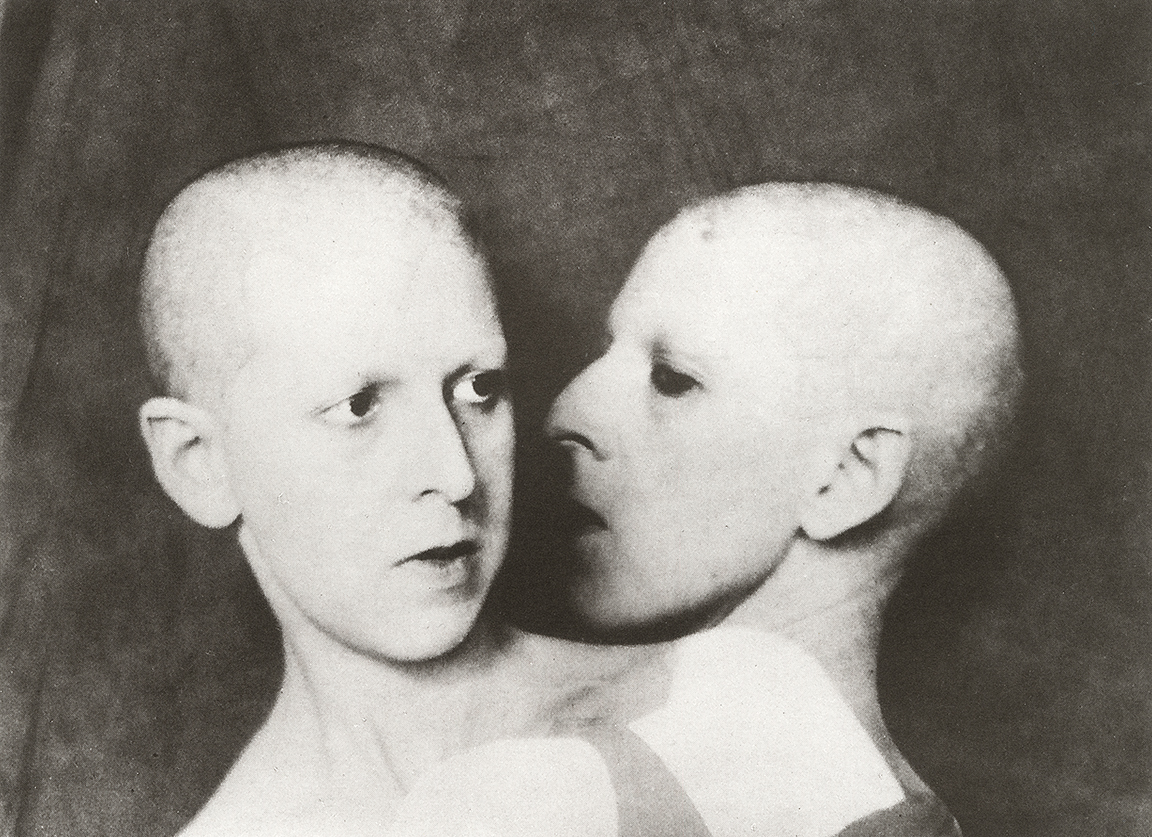
Que me veux tu?, Claude Cahun and Marcel Moore, 1929.
What do you want from me?, Wiggins and Branco, 2025.
A transmutation occurs in me (a reconfiguring of my own identity) in the act of reinterpreting and re-representing Cahun in photographs. This uneasy but welcome metamorphosis / transfiguration of self that I have established with Cahun has continued to be a catalyst for my work.
Jersey before the War
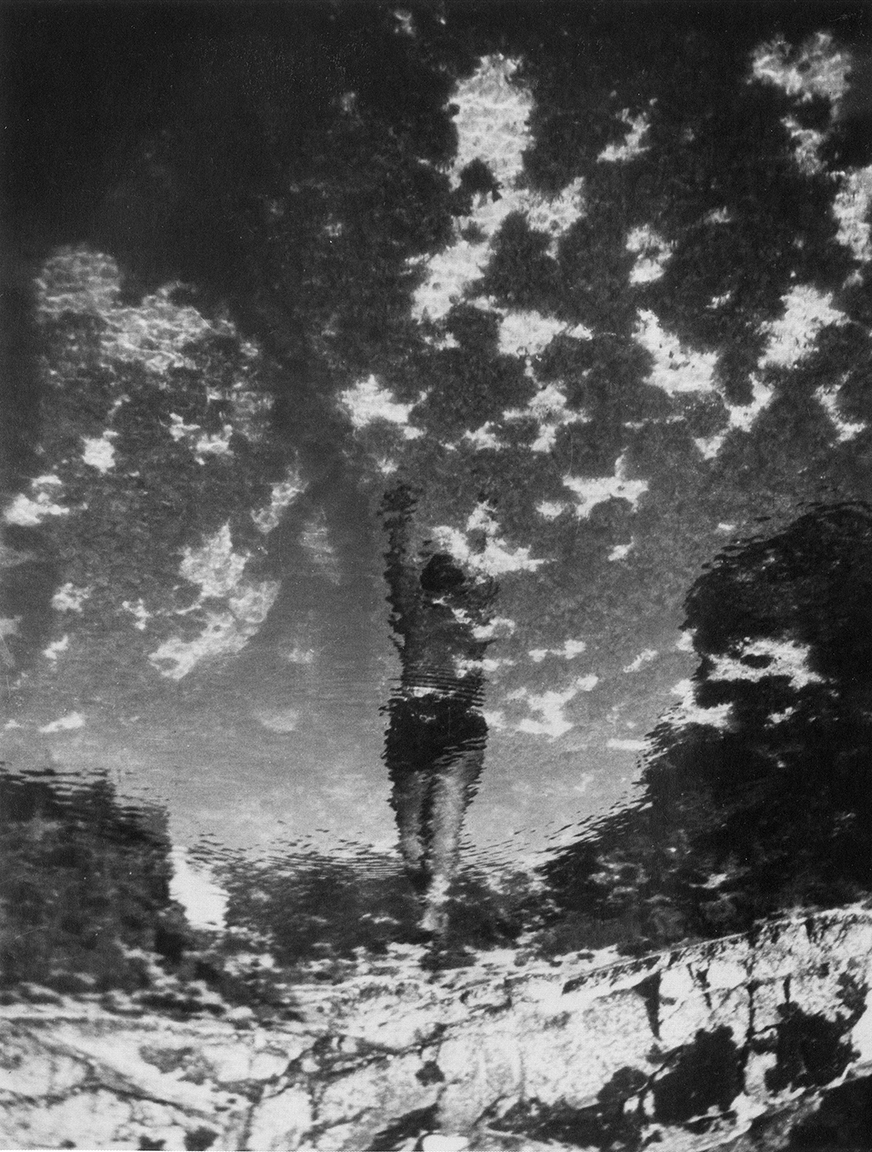
Cahun and Moore vacationed on Jersey during the years before 1937. In contrast to the theatricality and sophistication of the images they made in Paris, the images they made on Jersey communicate a profound connection to the elements and the natural surroundings of Jersey. We see Cahun occupying liminal spaces, between earth and water, body and environment, self and nature.
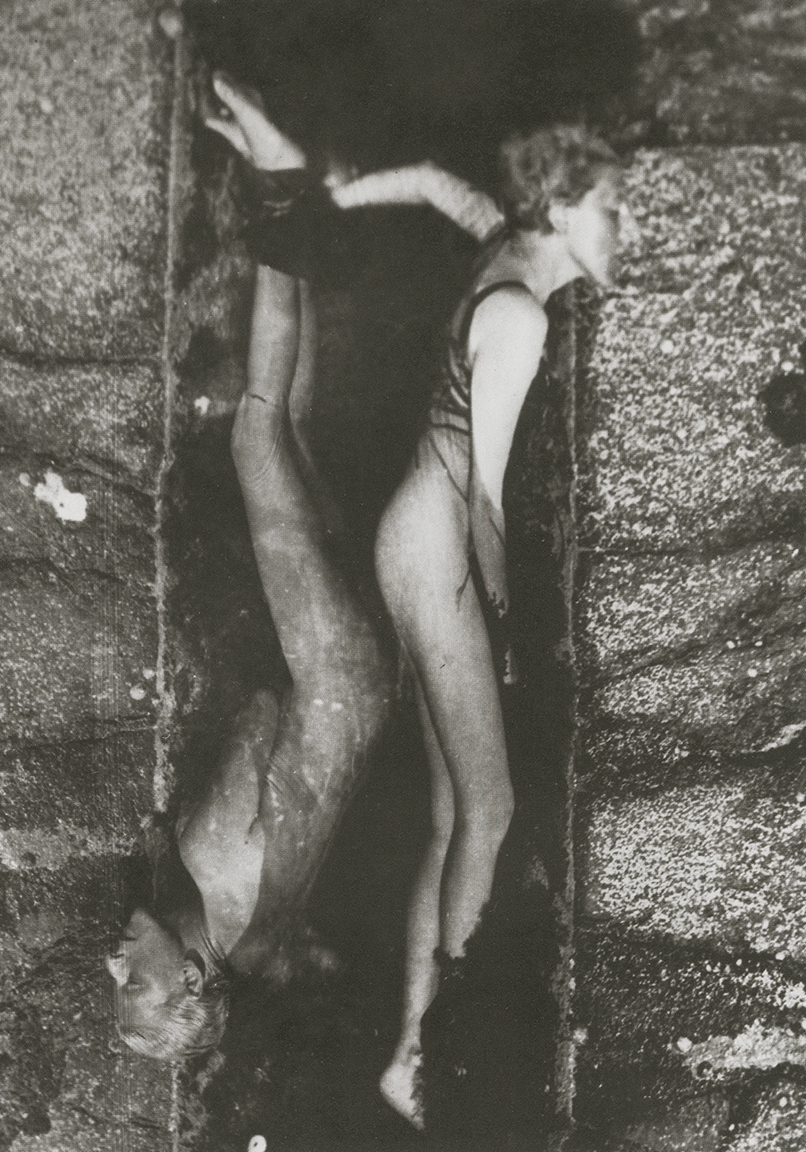
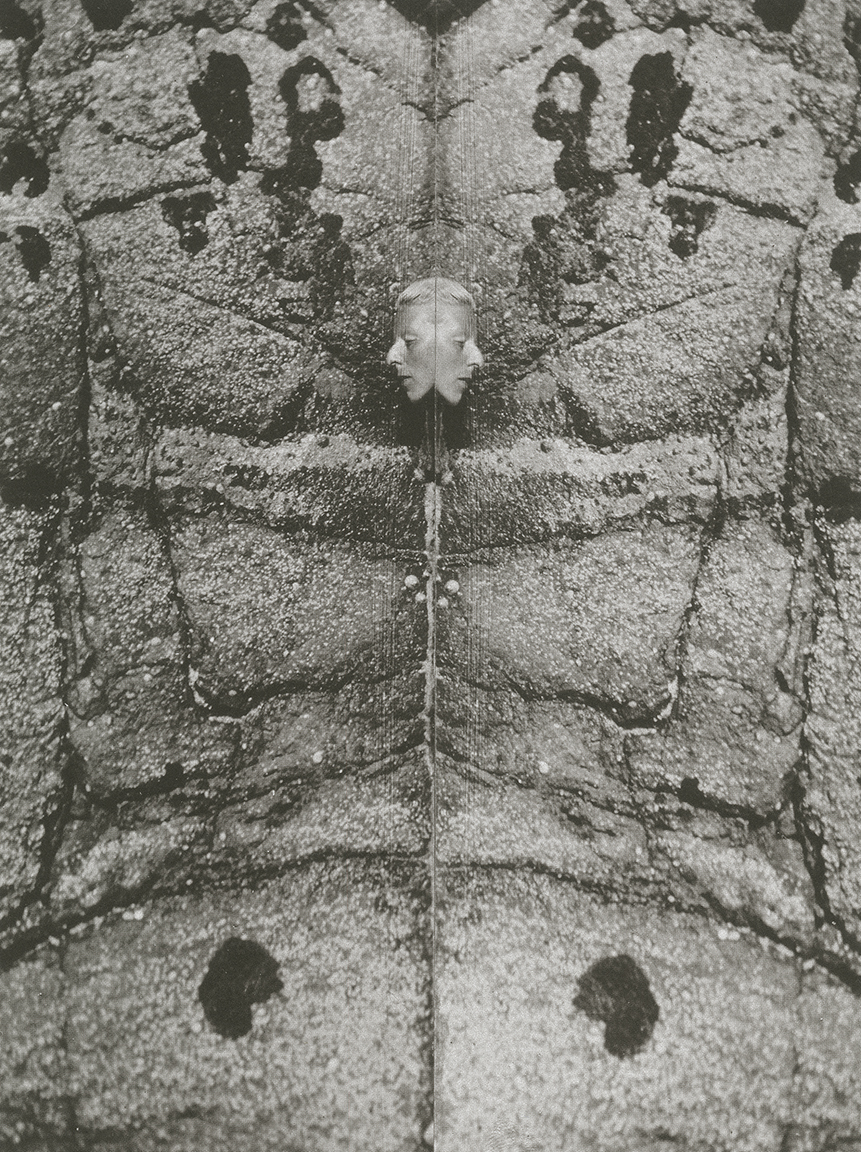
In the first image below, Cahun’s figure is doubled and reversed and swathed in gauzy fabric in waters that border a rocky ground. The profile of Cahun’s golden head is doubled and opposed as her face merges and emerges within the terrestrial surface she faces in the second image. Cahun’s figure is barely visible within the rippled waters in the image En Océanie. In these photographs, Cahun and Moore mirror, double, reverse, mask and reflect concepts of self and identity within the natural surroundings of Jersey. I love these images; they align with many of the photographs that Luís and I have made on land and waterscapes over the last several years.
Untitled (Double Body), Claude Cahun and Marcel Moore, 1928.
Untitled (Double Face), Claude Cahun and Marcel Moore, 1928.
En Océanie, Claude Cahun and Marcel Moore, 1932.
I have recently discovered the work of feminist scholar Amelia Groom. Groom was in Jersey doing research on Cahun and Moore and wrote this:
Something I didn’t understand until I travelled here (Jersey) is that the Channel Islands sit in waters with an extremely dramatic tidal range—one of the most extreme in the world. The island of Jersey is said to double in size at low tide. I suppose you could also say that it halves in size at high tide. Or you could say, more accurately, that it has no fixed size or shape. Like Claude Cahun, this land mass is a continual shapeshifter, always spilling out from itself, and pulling veils up over itself, and calling its own edges into question.
Amelia Groom, In the ARMS of the SEA: CLAUDE CAHUN and MARCEL MOORE at the WATER’S EDGE, 2024.
An essential part of my art practice and process has been to study and research Cahun and Moore’s lives and works in books, catalogues and academic essays.
My Cahun/Moore library
I have been rereading Jennifer L. Shaw’s extensive (and fabulous) 2017 biography, Exist Otherwise: The Life and Works of Claude Cahun, focusing specifically on the chapter titled Spiritual Arms Instead of Firearms: Cahun and Moore on the Isle of Jersey, which describes Cahun and Moore’s lives on Jersey from the late 1930s onward. Around 1936, Cahun started talking about leaving Paris permanently. Her health was fragile and she was, of course, well aware of rising anti-Semitism in France (Cahun’s father was Jewish) and the onslaught of fascism in Germany and beyond. Here Shaw describes Cahun’s thinking during this time:
She began to talk about a ‘physical and primordial need to live in the countryside’, and wanted to leave Paris. It was as if she felt her work there was done. Their ties to the city were finally torn asunder when Moore’s mother (Cahun’s stepmother) finally passed away. In a letter of 1951, Cahun explained that she felt ‘an extreme malaise, the premonition of danger’ at the end of 1936.
Shaw quotes Cahun:
The idea formed in my head, as soon as the death of my stepmother cut the last family tie. We had friends . . . a stable, comfortable, happy life. Suzanne didn’t want to leave: she didn’t like moving and thought that life in the countryside wouldn’t suit me as well as I imagined. . . . I proposed Jersey, knowing full well that I wouldn’t be able to drag her any further.
Claude Cahun in François Leperlier, Claude Cahun: L’Exotisme Intérier (Paris, 2006), pp. 377-80, in Jennifer L. Shaw’s Exist Otherwise, pp. 199 -200.
In 1937, Cahun and Moore moved to Jersey permanently, leaving their high-profile lives in Paris. They reclaimed their given names, Lucy Schwob and Suzanne Malherbe. (I will continue to use the names Claude Cahun and Marcel Moore throughout this blog for consistency). The fact that they were stepsisters also gave them a ‘cover’ in this more provincial setting. With the death of Marcel’s mother, the Malherbe-Schwob family estate was settled, and they inherited enough money to buy a beautiful (and quite large) stone farmhouse, La Rocquaise, located right on St. Brelade’s Bay.
La Rocquaise, the home of Marcel Moore and Claude Cahun, c. 1938.
During these years prior to the German occupation in 1940, Claude and Marcel enjoyed the ocean, their garden and their lovely house full of artworks, books and family furniture. Several friends came from Paris to stay with them. However, as far as the local population was concerned, Cahun and Moore kept mostly to themselves. The islanders saw the ‘sisters’ as eccentric and bourgeois middle-aged women, who walked their cat, Kid, on a leash and sunbathed naked in their garden.
Cahun later wrote:
The illusion of holiday without end, a garden already in flower. It seemed that the only thing left to do was to become familiar with the trees, the birds, the doors, the windows and pulling from the clothing trunk the appropriate article, short or long, to dive into the sun and the sea.
Claude Cahun, ‘Letter à Gastone Ferdière,’ in Écrits, p. 665, in Jennifer L. Shaw’s Exist Otherwise, p. 203.
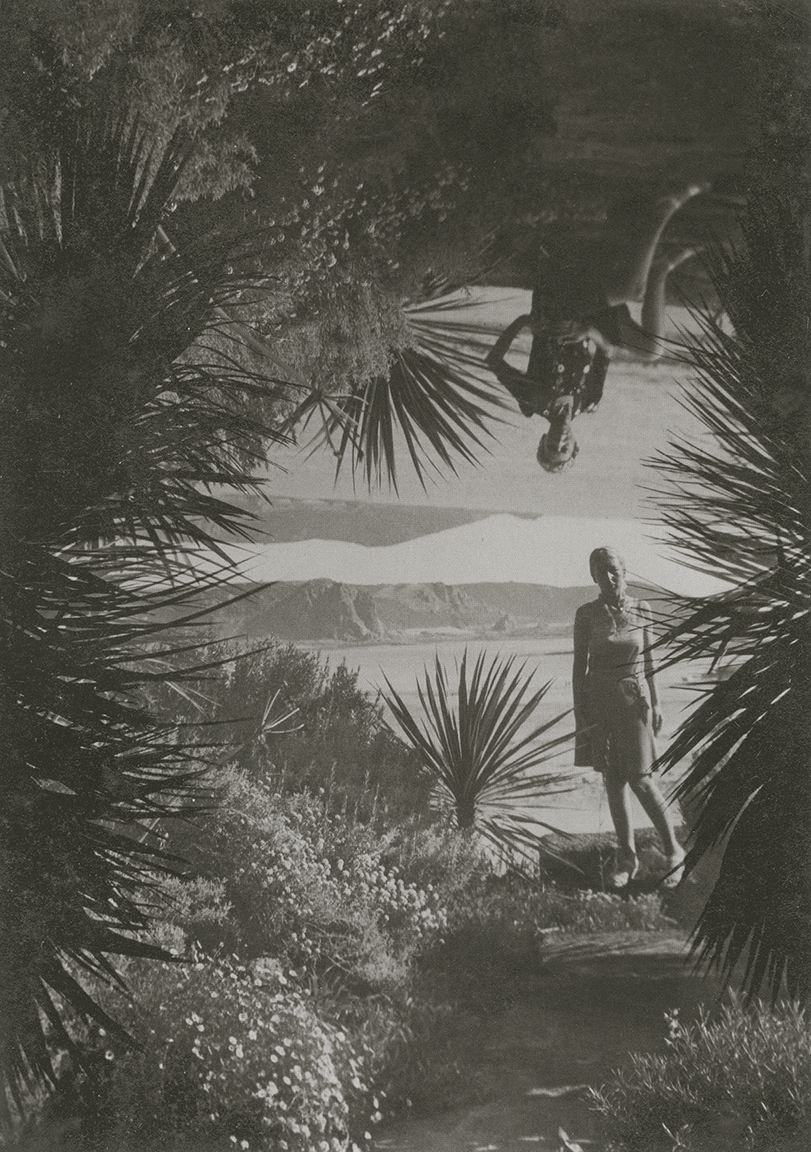
Untitled, Claude Cahun and Marcel Moore, 1939.
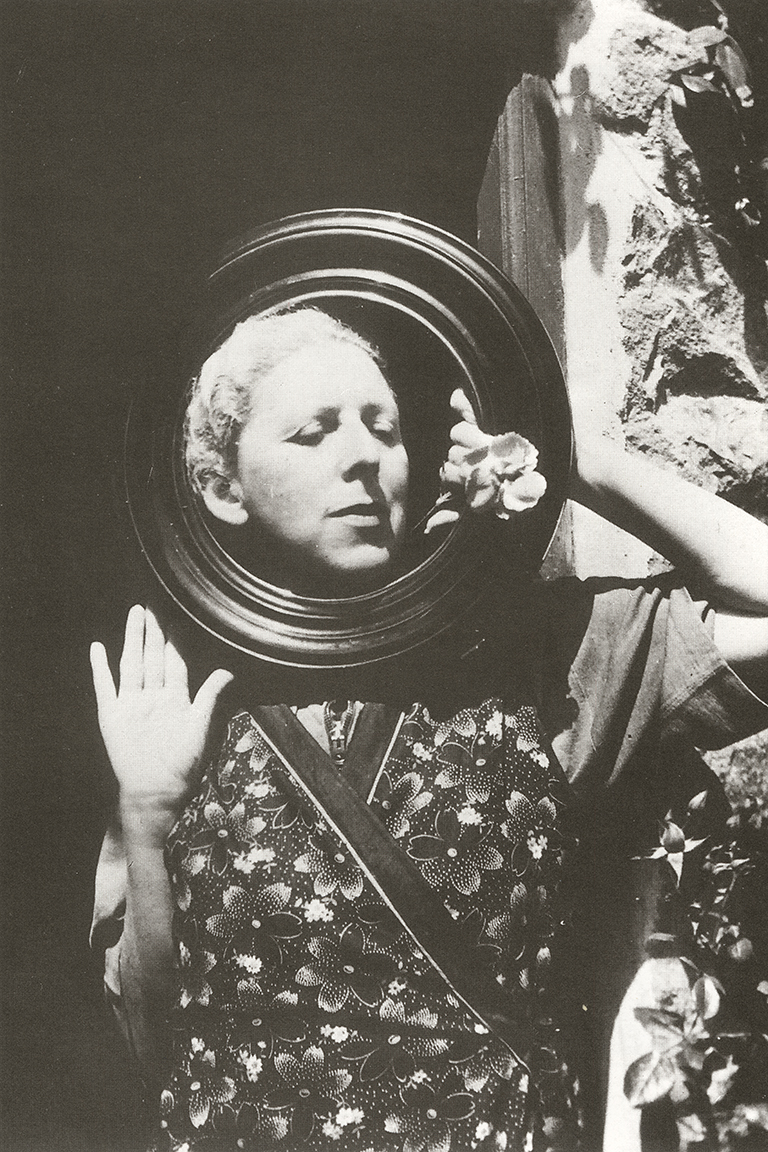
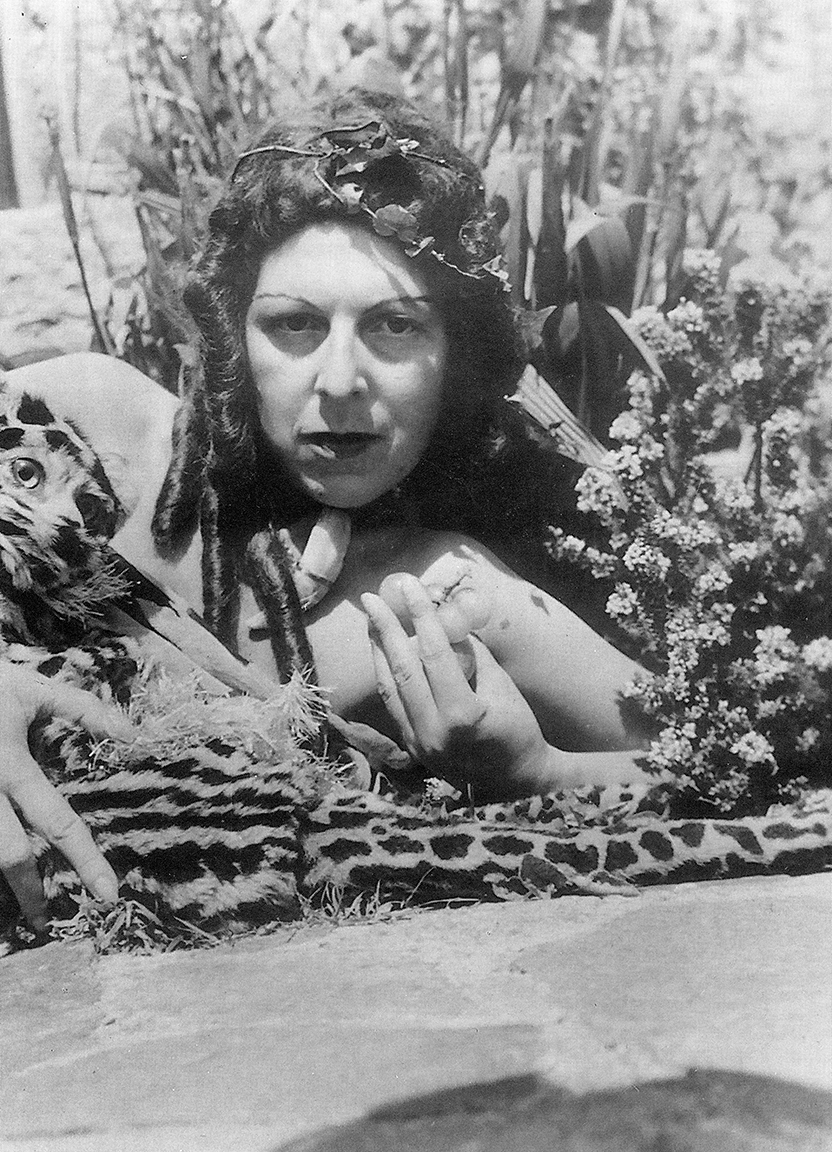
Cahun is doubled and reversed (again) on the horizon in the image above taken near La Rocquaise. They continued their photographic practice. Below are a few of my favorites from this period:
Untitled (Framed Face), Claude Cahun and Marcel Moore, 1938.
Untitled (Lying in the Garden), Claude Cahun and Marcel Moore, 1939.
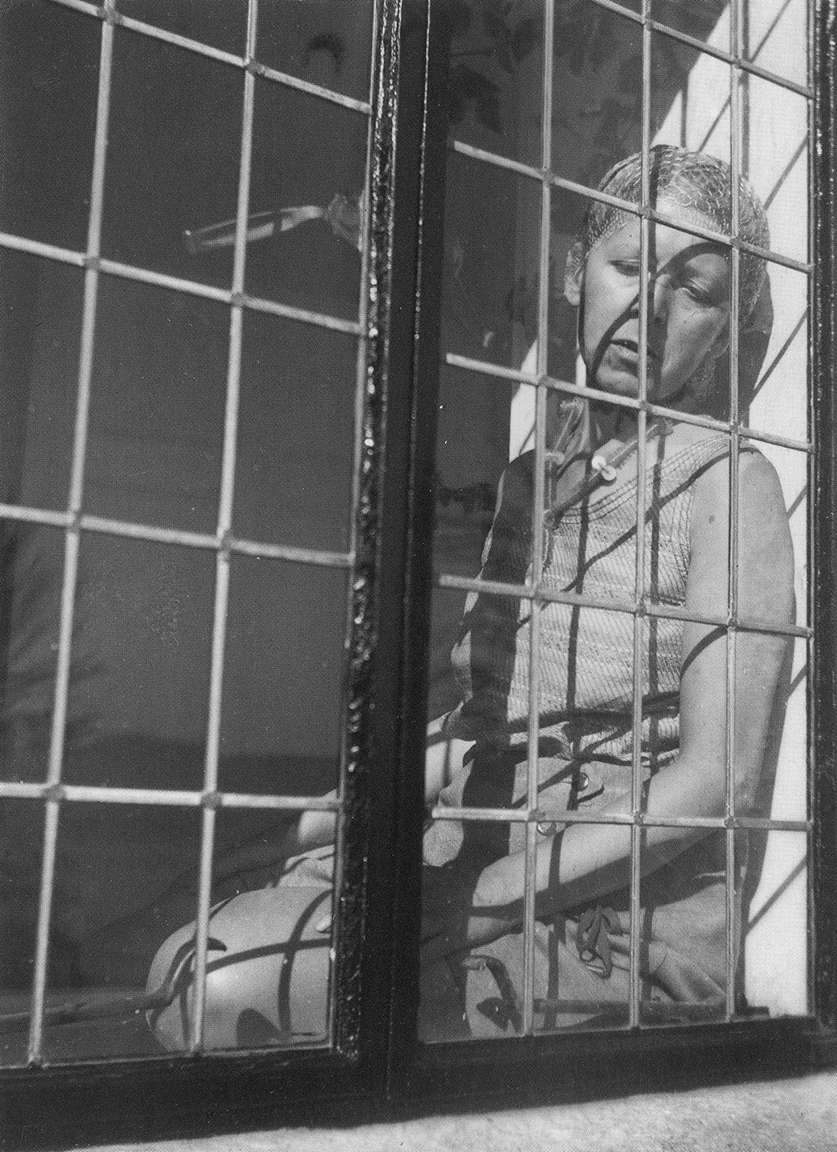
Untitled (the Window), Claude Cahun and Marcel Moore, 1938.
Within this seemingly idyllic life on Jersey, Cahun and Moore were well aware of Hitler’s relentless march across Europe. You can read about Cahun and Moore’s life during WWII and after the war in Part Two: Pilgrimage to Jersey (and to Claude Cahun and Marcel Moore) – Occupation and Resistance, Arrest and Jail, After the War in my blog post:
In June of 1940, as German forces advanced through France and the rest of Europe, the British government deemed the Channel Islands indefensible. Consequently, they withdrew all military forces from the islands and disbanded the Royal Militias of Jersey, Guernsey, Alderney and Sark. The British hastily organized evacuations for the citizens of the islands. The evacuations prioritized women and children. Somewhere between 25,000 and 30,000 people were evacuated. About one fifth of the population of Jersey was evacuated, roughly 6,500 citizens. Claude and Marcel decided to stay on Jersey.
On June 28, 1940, the Germans bombed St. Helier Harbor and La Roque Harbor on Jersey and St. Peter Port on Guernsey. The Germans began their occupation of Jersey, Guernsey, Alderney and Sark on June 30 and stayed until liberation in May of 1945.
Occupation and Resistance
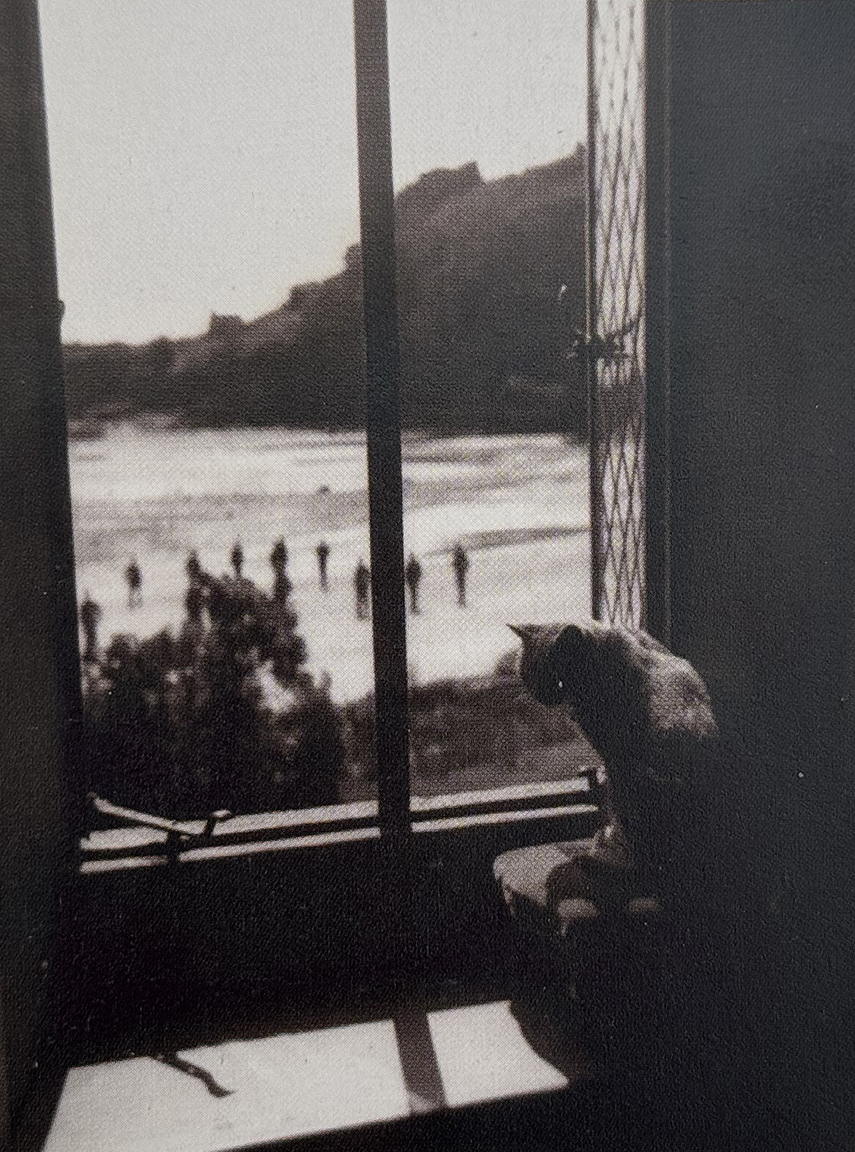
German soldiers on the beach from the window of La Rocquaise (with Kid the cat), Claude Cahun and Marcel Moore, 1940.
Claude was forty-five and Marcel was forty-seven when the German occupation began in Jersey. Their intent had been to retire to a quiet life on the island. However, with the German military literally at their front and back doors, they could not give up their ideals, sense of justice and humanity and their anti-fascist, anti-Nazi beliefs. Together, they undertook a unique campaign of resistance.
I have been rereading Claire Follain’s well-researched and excellent essay “Lucy Schwob and Suzanne Malherbe: Résistantes” in don’t kiss me: the art of Claude Cahun & Marcel Moore, a major catalogue produced by the Jersey Heritage Trust.
Follain describes some of Cahun and Marcel’s methodologies and their manufacture of anti-Nazi propaganda:
Malherbe utilized her fluency in German language to translate news taken from BBC radio broadcasts. Schwob converted the news to rhyme, conversation or other literary formats. These words were typed or handwritten onto one sheet of paper of approximately A5 or smaller. Over time, the tracts evolved in their style and presentation. Schwob used different colored inks and/or paper when it was available. Malherbe used her graphic art skills to add illustrations to Schwob’s words. Above all the format was altered to maintain interest. Schwob and Malherbe referred to these tracts as ‘unsere Zeitung’ (our newspaper). The intended implication was that these notes were written by an anti-Nazi German officer from within the occupying force. The notes showed evidence of education and were signed ‘der Soldat ohne Namen’ (‘the Soldier with no Name’). The style of language and occasional grammatical error over the years eventually gave the reader the clue (as it did the Geheime Feldpolizei, the Secret Field Police) that the authors were not native German speakers.
Claire Follain in “Lucy Schwob and Suzanne Malherbe: Résistantes,” pp. 84-85, in don’t kiss me: the art of Claude Cahun & Marcel Moore.
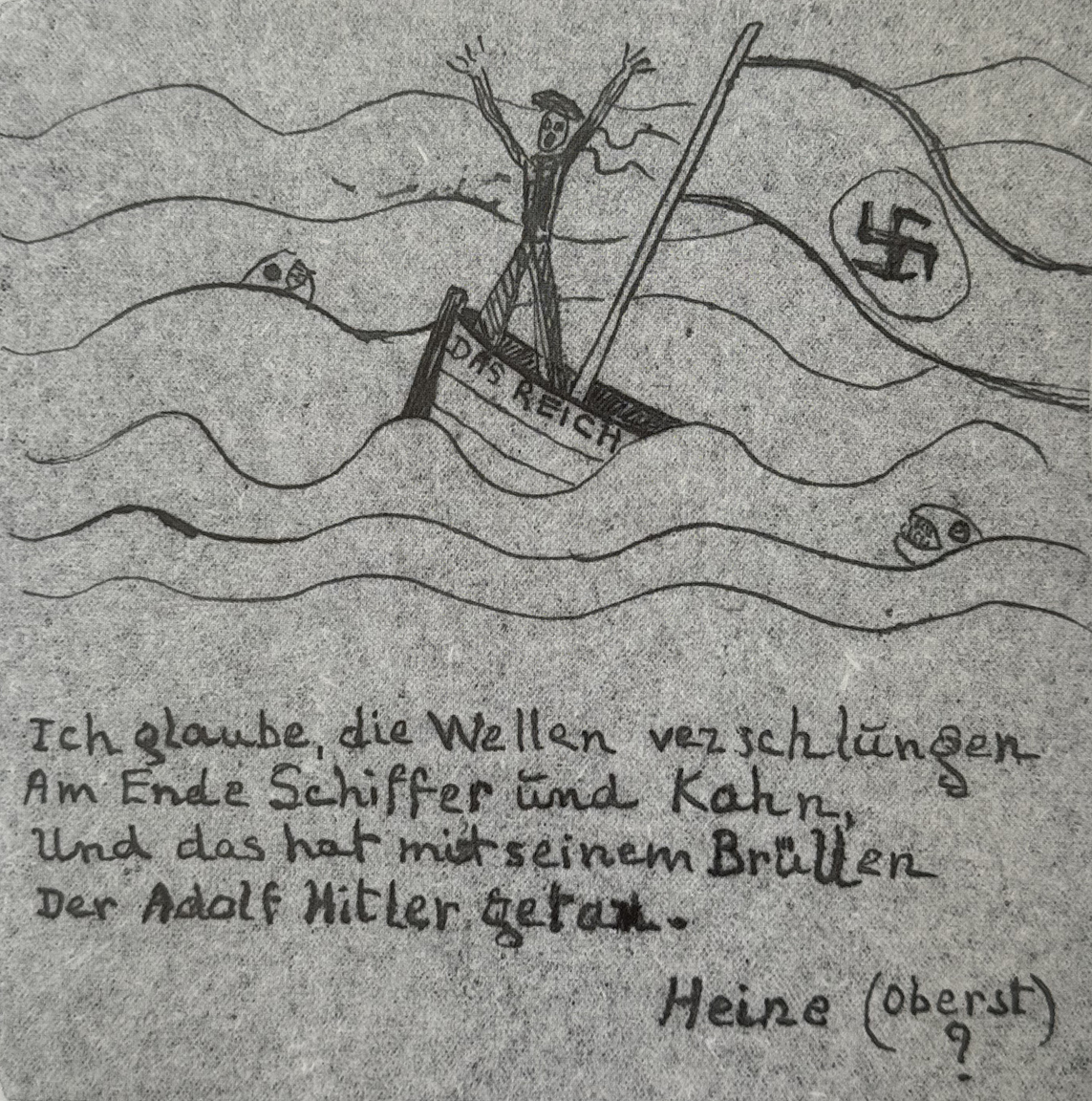
Propaganda tract and drawing, Claude Cahun and Marcel Moore, 1942.
English translation of the German text on the drawing:
I believe in the end the waves Devoured both sailor and boat And that was brought about By Adolf Hitler with his screaming
Most of these tracts and drawings were destroyed by the Germans. The Jersey archive holds some fifty of them. Cahun later recounted that she and Moore had made thousands of these messages over the four-year period, including carbon copies they could produce by the dozen.
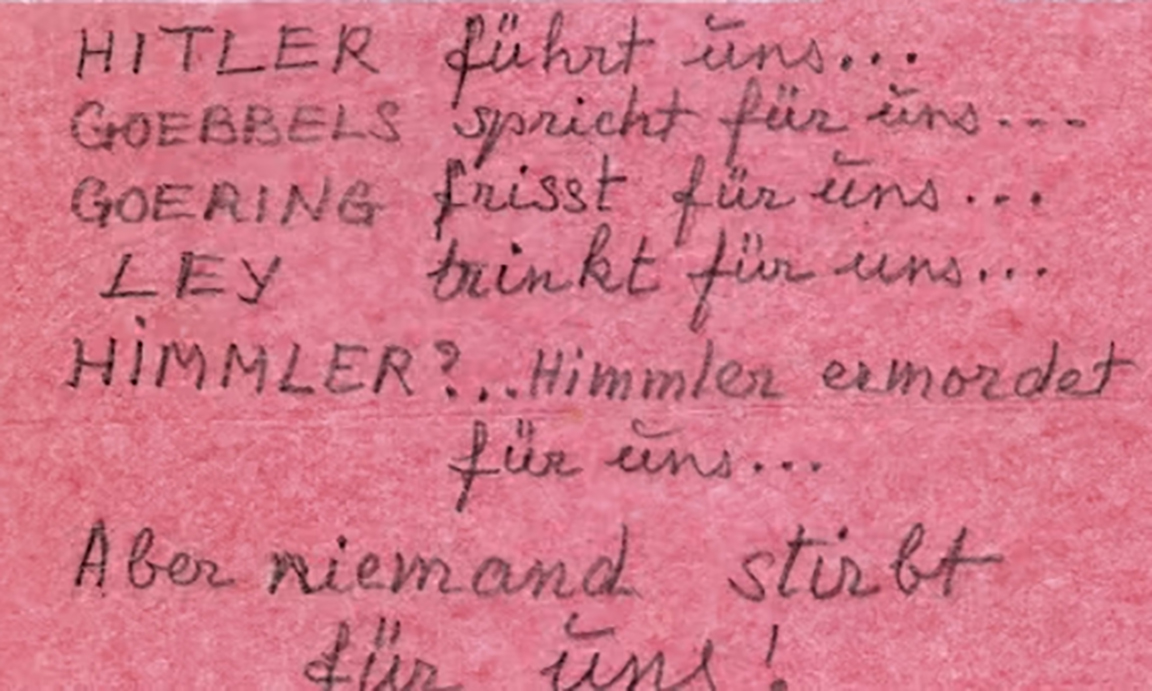
Propaganda tract, Claude Cahun and Marcel Moore.
English translation of the German text on the tract:
Hitler leads us …
Goebbels speaks for us …
Göring eats for us …
Ley drinks for us …
Himmler? Himmler murders for us …
But nobody dies for us!
Cahun and Moore were surrounded by the German military. Their home was in view of the St. Brelade’s Bay Hotel, which was requisitioned by the Germans for use as a barracks and recreation center for German soldiers. German soldiers were frequently buried in the cemetery on the other side of La Rocquaise. In front of their home, along St. Brelade’s Bay, the Germans used the forced labor of POWs imported from the continent to build heavy fortifications as part of Hitler’s infamous Atlantic Wall.
Claude and Marcel assembled their DIY anti-Nazi propaganda materials in the dead of night in their upstairs bedrooms. They hid their (illegal) radio, their typewriter and all their writing materials in various locked cabinets upstairs. Even their housekeeper, Edna, was unaware of their activities. Cahun and Moore developed various strategies for distribution of their messages, meant for the German soldiers. They would take the bus into St. Helier, armed with shopping bags and ‘disguised’ as the two middle-aged ladies they were. They would place their anti-Nazi propaganda in cafés, on car windshields, and even in soldiers’ pockets. In newsstands and shops, they inserted their leaflets and messages in German magazines and newspapers. As the occupation wore on and tobacco was in short supply, they tucked messages in empty cigarette packets. The tracts often contained the phrase ‘Bitte verbreite,’ meaning ‘Please spread the word.’
Cahun later recounted:
We could not have been less remarkable: no hats; old beige walking shorts called jodhpurs, on the feet rubber boots called Wellingtons; a blouse of cotton or wool shirt, depending on the temperature, a semi-masculine jacket. When out walking or in town, a raincoat on top (a Burberry, thus a large number of pockets for our tracts); a scarf wrapped around the head . . . wool gloves in winter— and the shopping bag (as an alibi). We were peasants—and also daughters and wives of the bourgeoisie of the gentleman farmer type . . . my appearance and Suzanne’s differed little from the look of the majority of inhabitants of the island.
Claude Cahun, ‘Le Muet dans la melée,’ in Écrits, p. 627, in Jennifer L. Shaw’s Exist Otherwise, p. 212.
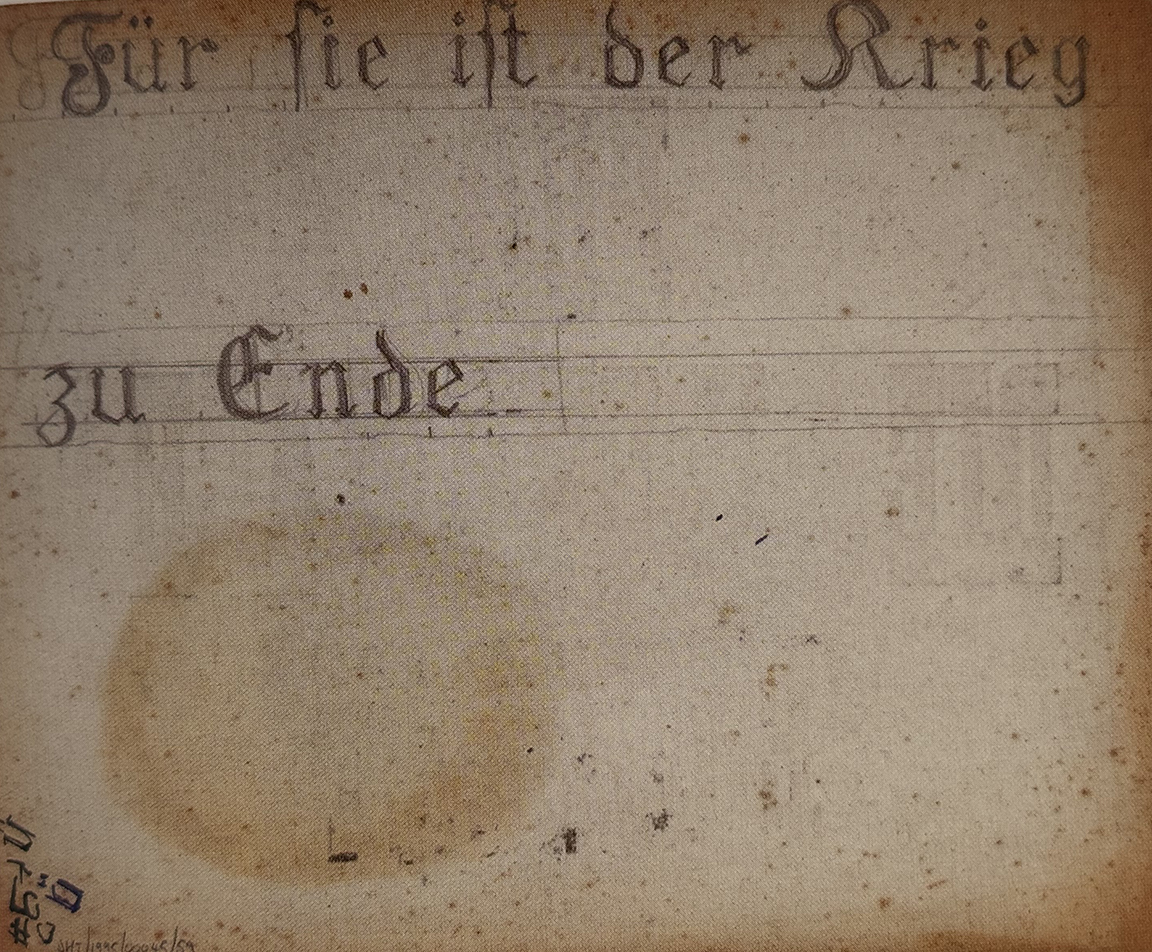
Cahun and Moore also took advantage of the fact that the cemetery was located beside their home. During the funerals for German soldiers, they would place their messages in German staff cars parked near their house. When Oberleutnant Zepernick was buried in 1943, Lucy and Suzanne waited for nightfall and placed a homemade cross on his grave with the words ‘Für sie ist der Kreig zu Ende,’ or ‘For him the War is Over,’ inscribed in Gothic lettering.
‘Für sie ist der Kreig zu Ende’ design, Claude Cahun and Marcel Moore, 1943.
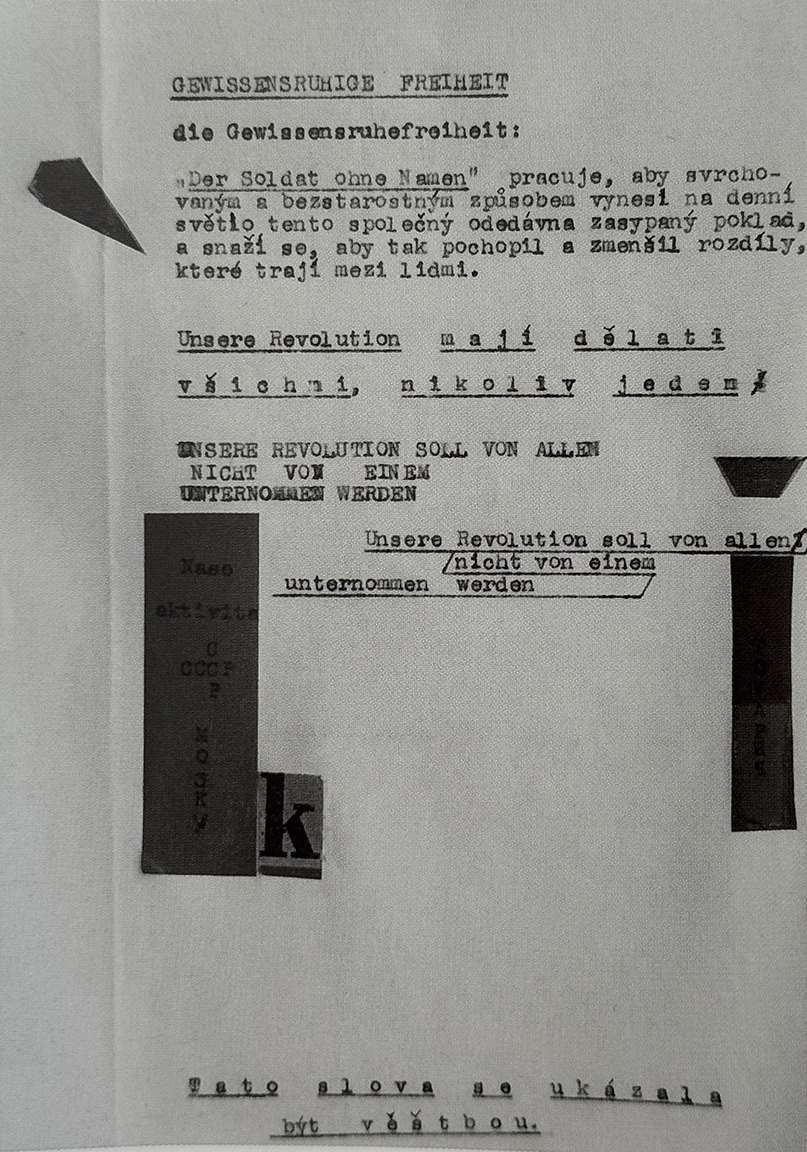
Their messages took different forms. I particularly like the design of the typewritten tract below which begins with ‘Gewissensruhige Freiheit,’ or ‘Freedom with a Clear Conscience,’ followed by, “The Soldier Without a Name” works to bring this long-buried treasure to light in a calm and carefree manner, striving to understand and reduce the differences that exist between people.’ And goes on to say, ‘Our revolution should be undertaken by everyone not just one person.’
Tract, Claude Cahun and Marcel Moore, 1944.
Cahun and Moore’s messages and interventions were intended as incitements for the German soldiers, encouraging them to contemplate their part in an unjust war. The signature ‘der Soldat ohne Namen’ (The Soldier Without a Name) was not just a signature, for Cahun believed that she must take on the persona and thoughts of a German soldier who was resisting the war and occupation from within the ranks of the German military. After the war and occupation ended, Moore photographed Cahun as The Soldier Without a Name.
Cahun as The Soldier Without a Name, Claude Cahun and Marcel Moore, 1947.
In Exist Otherwise, Jennifer L. Shaw writes:
What I find most striking about Cahun and Moore’s resistance work is that it is so consistent with the ideas and strategies that Cahun had used all throughout her artistic and literary career. Cahun refused to take an ‘us’ versus ‘them’ approach. Rather than seeing all Germans as enemies, she imagined that each individual soldier had the potential to reconsider his actions. She even realized this conviction by inhabiting the position of the enemy in the form of the ‘Soldier Without a Name,’ and spoke from that position, encouraging others to lay down their arms and join the resistance. This strong belief in a person’s ability to challenge and analyze one’s own actions, combined with Cahun’s and Moore’s wit and poetry, formed the basis of their activities. Like Cahun’s previous work, the guiding principles for these resistance activities were anti-hierarchical and anti-authoritarian, aimed at defying binary thinking. (pp. 249-250)
For four long years, Marcel and Claude carried out their extremely risky mission, wholeheartedly and with great conviction, under the severe conditions of the German occupation. They understood the danger into which they had placed themselves and assumed they would be caught at some point. They had pledged to each other to commit suicide when and if caught and had collected large amounts of barbiturates for this purpose. They feared death less than the punishment of deportation to the camps in Continental Europe.
Arrest and Jail
On June 6, 1944, or ‘D-Day,’ the main Allied Forces carried out the largest seaborn invasion in history, landing in Normandy. This attack, in combination with airborne operations, began the liberation of France and Western Europe from the German forces and laid the ground for the victory of the Allied Forces and Germany’s surrender on May 8, 1945.
German military morale on Jersey (and elsewhere) was necessarily at a low point in the summer of 1944. Cahun and Moore kept up their resistance activities. On July 25, 1944, Claude and Marcel had spent the day in St. Helier distributing their anti-war propaganda. They were at home that evening when five German secret police officers, members of the Geheime Feldpoizei (GFP), came to search their house. The GFP officers found the (illegal) radio and the portable typewriter used to create the tracts, as well as some of the materials Cahun and Moore had been distributing earlier that day. Cahun and Moore were arrested and taken to Gloucester Street Prison in St. Helier. They managed to take the barbiturates they had stockpiled. They were both found unconscious in their cells and taken to the hospital. The dosage did not work.
Taken back to prison, Cahun and Moore endured more than nine months of incarceration in Gloucester Street Prison. They were kept in solitary confinement in separate cells. The conditions were difficult. Claude’s health, already fragile, suffered under these conditions. Marcel and Claude still feared the possibility of deportation to the camps more than they feared death by execution for their ‘crimes.’
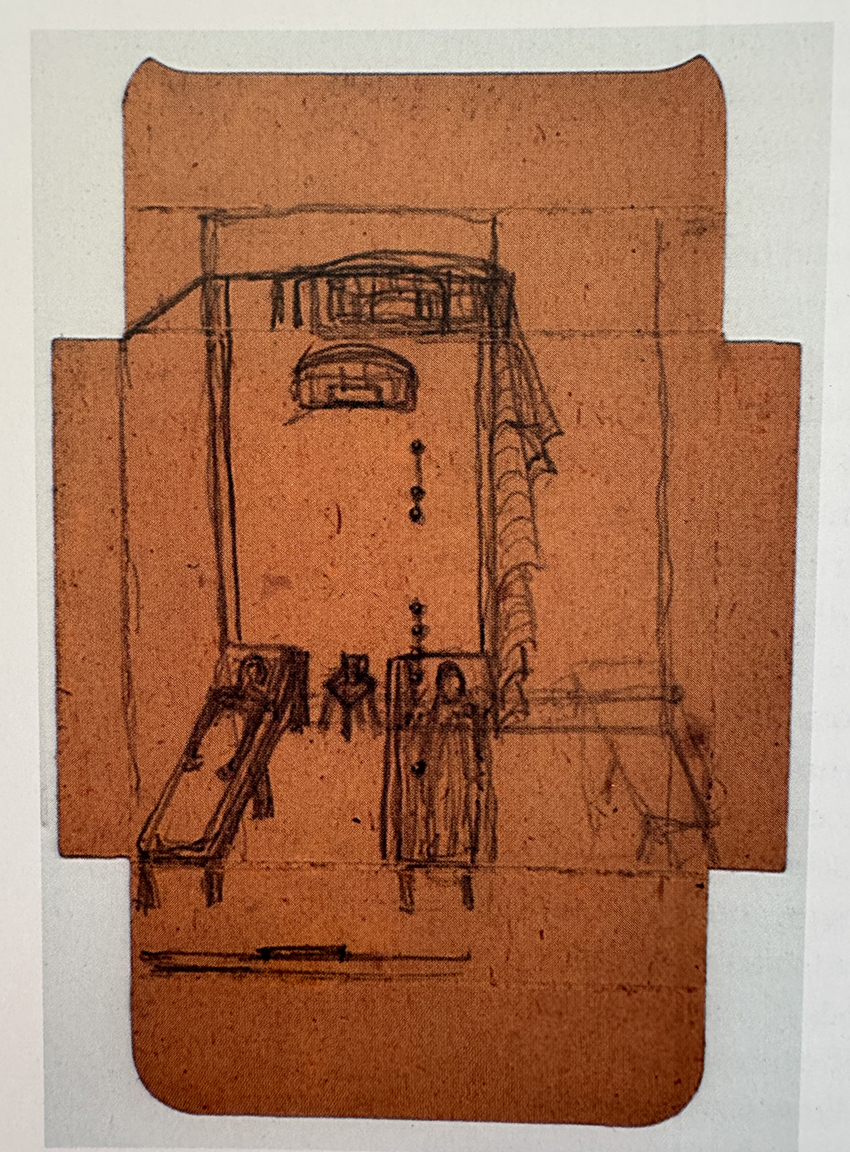
Cahun and Moore were able to communicate with each other by passing notes through a secret system that the other prisoners had devised. The cells were divided by thick walls with ventilation tunnels connecting the cells. The prisoners were able to send notes through these tunnels attached to strings. This was a coordinated system, which shows the efforts and a certain amount of comradery amongst the inmates. Other materials were shared and passed around such as books, cigarettes and writing materials.
Sketch of the prison cell showing the ventilation ducts, Marcel Moore, 1944.
Cahun and Moore were interrogated by the GFP; they cooperated and provided details of their resistance activities and actions over the four years. As it turned out, the GFP had been collecting their tracts and resistance materials for a long time. However, the GFP did not think that these two middle-aged women were acting alone. The GFP were hoping that, through interrogation, they could identify the resistance organization or group behind these anti-Nazi tracts. Cahun later wrote:
In fact, the Gestapo searched in vain for four years. We had been able to avoid every search. It was so sudden. They would never have believed, despite their informers, that it had anything to do with us. Even with the proof in their hands, they couldn’t believe their eyes. They remained persuaded that we couldn’t have been anything more than accomplices . . . of X. In order to get them to stop interrogating us about our hypothetical affiliations with . . . X, or with the Intelligence Service (!!!), it was necessary to demonstrate to them that we were fully aware of and capable of our . . . ‘crimes.’
Cahun, ‘Le Muet dans la melée,’ p. 631, in Shaw’s Exist Otherwise, p. 226.
Cahun and Moore’s trial was on November 16, 1944. This was the first time that Cahun and Moore had been in the same room for any length of time since their capture in July. If nothing else, they were happy to be together in a warm room in comfortable chairs. The trial took five hours. There were three judges presiding, a prosecutor and a defense lawyer. The trial was conducted mostly in German. At one point Moore stated: ‘The defense is much more bitter against us than the prosecution.’
The GFP had found more incriminating materials at La Rocquaise to use for the trial. In addition to the radio and typewriter, they brought personal papers, anarchist pamphlets, anti-German books written by Cahun’s father and art works that Cahun and Moore had hidden. They also brought a revolver and camera equipment they had found.
During the trial, the court revealed excerpts from the tracts and works of resistance that the ‘Soldier Without a Name’ had produced and the GFP had collected (and which Cahun and Moore had already confessed to producing when interrogated).
After the trial, Cahun composed a testimony of what had taken place. Here she paraphrases what the judge, Oberst Samson, had stated at the trial:
You are francs-tireurs [partisans] … even though you used spiritual arms instead of firearms. It is indeed a more serious crime. With firearms, one knows at once what damage has been done, but with spiritual arms, one cannot tell how far-reaching it may be.
In Claire Follain’s “Lucy Schwob and Suzanne Malherbe: Réistantes,” p. 89, in don’t kiss me: the art of Claude Cahun & Marcel Moore.
Oberst Samson had inadvertently complimented Claude and Marcel by using the term ‘spiritual arms’ to describe their brave and thoughtful resistance activities.
Cahun and Moore were convicted of creating propaganda ‘undermining the morale of the German forces’ and sentenced to death. They refused to sign letters of appeal to reverse their execution order and were sent back to prison. From November 16, 1944 until February 20, 1945, Cahun and Moore lived (in prison) under the threat of their imminent execution (and continued to refuse to make an appeal to their sentence, perhaps still fearing deportation to a camp more than death).
On February 20, 1945 Cahun and Moore were informed that the German High Command had granted a reprieve to their stay of execution. The French consulate and the Jersey bailiff had made appeals on their behalf. From that day until their release on May 8, 1945, Claude and Marcel were reunited (they were overjoyed) and shared a cell in the prison. Once reunited Claude and Marcel shared the secret notes they had both created on whatever materials they could muster (toilet paper, book pages, etc.). They sewed these notes in the lining of a coat which a friend smuggled out of the prison. Cahun later used these notes for the letters and accounts she wrote later to document their lives during the occupation.
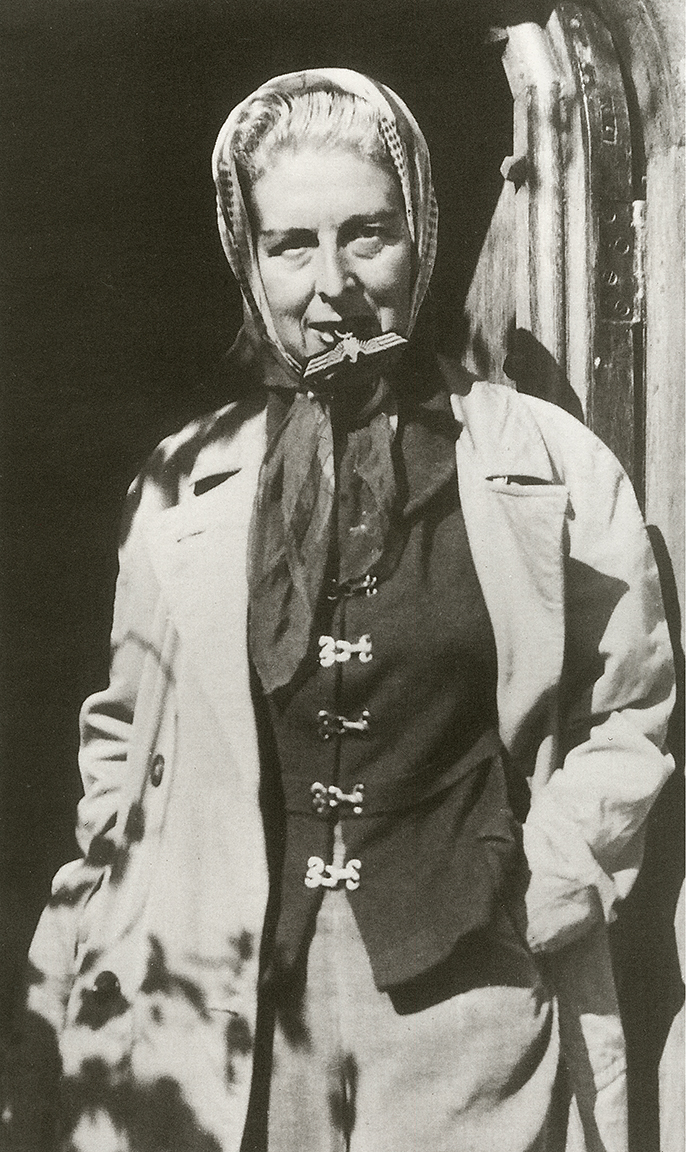
Untitled (Cahun biting down on a Luftwaffe insignia), Claude Cahun and Marcel Moore, May 1945.
The image above shows Claude Cahun in May of 1945, soon after her release from prison. With her unique sense of humor (and resistance), she bites down on a Luftwaffe insignia that one of the German prisoners had given her.
After the War
For Claude and Marcel, the return to a ‘normal life’ after the war was no small feat. During their incarceration, the Germans had pillaged their home completely, stripping it bare of all furniture and their artwork. The Germans also stole artworks Cahun and Moore had collected, household items, books, clothing, mementos, even locks, keys and electrical wire.
Following the liberation, Cahun and Moore spent months rebuilding their home. They also had to search across the island for belongings that had been taken or given away by the Nazis. The Germans had also burned many of their artworks and resistance works before liberation. They found their French Bible and Cahun’s complete edition of Shakespeare at the Metropole Hotel. They managed to find other valuables and books as well; apparently, their library had been bought by a bookseller and sold to individual buyers across the island. Gradually, they put their lives back together.
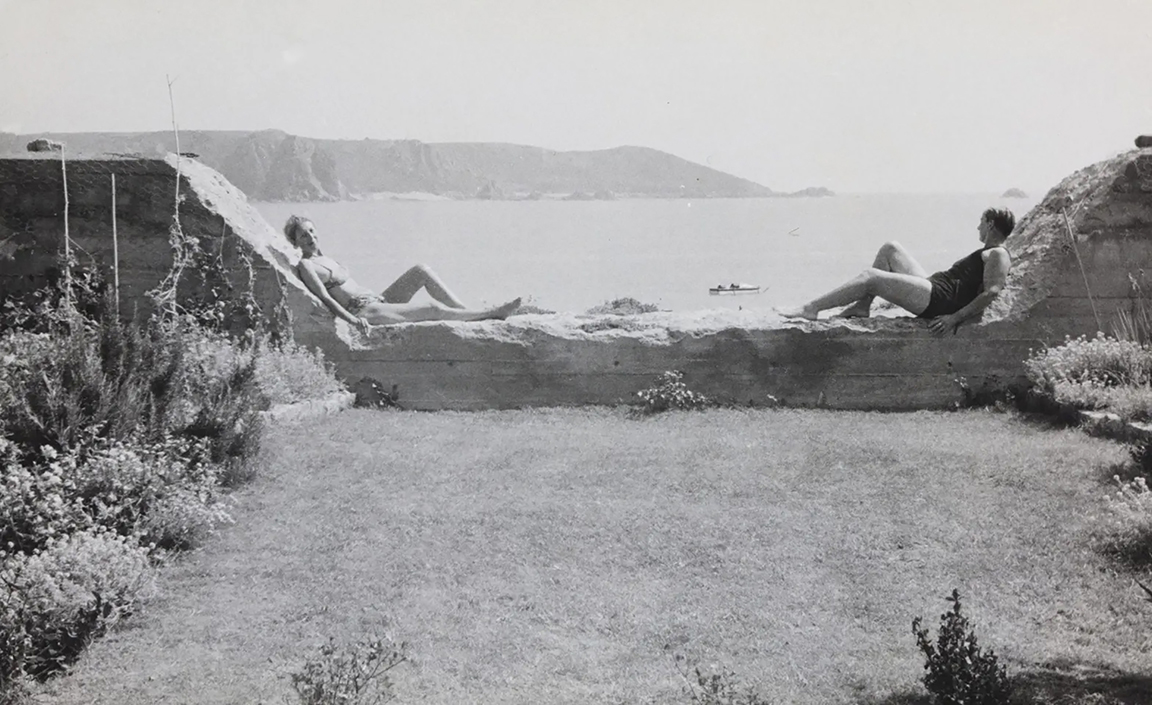
Cahun and Moore sunbathing,1945.
Cahun continued to be outspoken about the war and the occupation and felt isolated and alienated from the islanders who had, albeit passively, aided and abetted the Nazis. Cahun worked on several written works (long letters, a memoir, prose) in the late forties and early fifties that recounted her and Moore’s experiences and their resistance during the occupation and their time in jail. She started the memoir titled Le Muet dans la melée,The Mute in the melée,based on her prison notes. She also worked on a text Confidences au Miroir, Confessions at the Mirror, comprised of poetic musings and autobiographical materials.
Cahun’s health had suffered during her imprisonment, and it did not improve afterward. Still, Claude and Marcel managed to create an enjoyable life on the island. They reinitiated their photographic practice together in and around their home. Cahun was again the main subject.
Untitled (Cahun as The Soldier Without a Name), Claude Cahun and Marcel Moore, 1947.
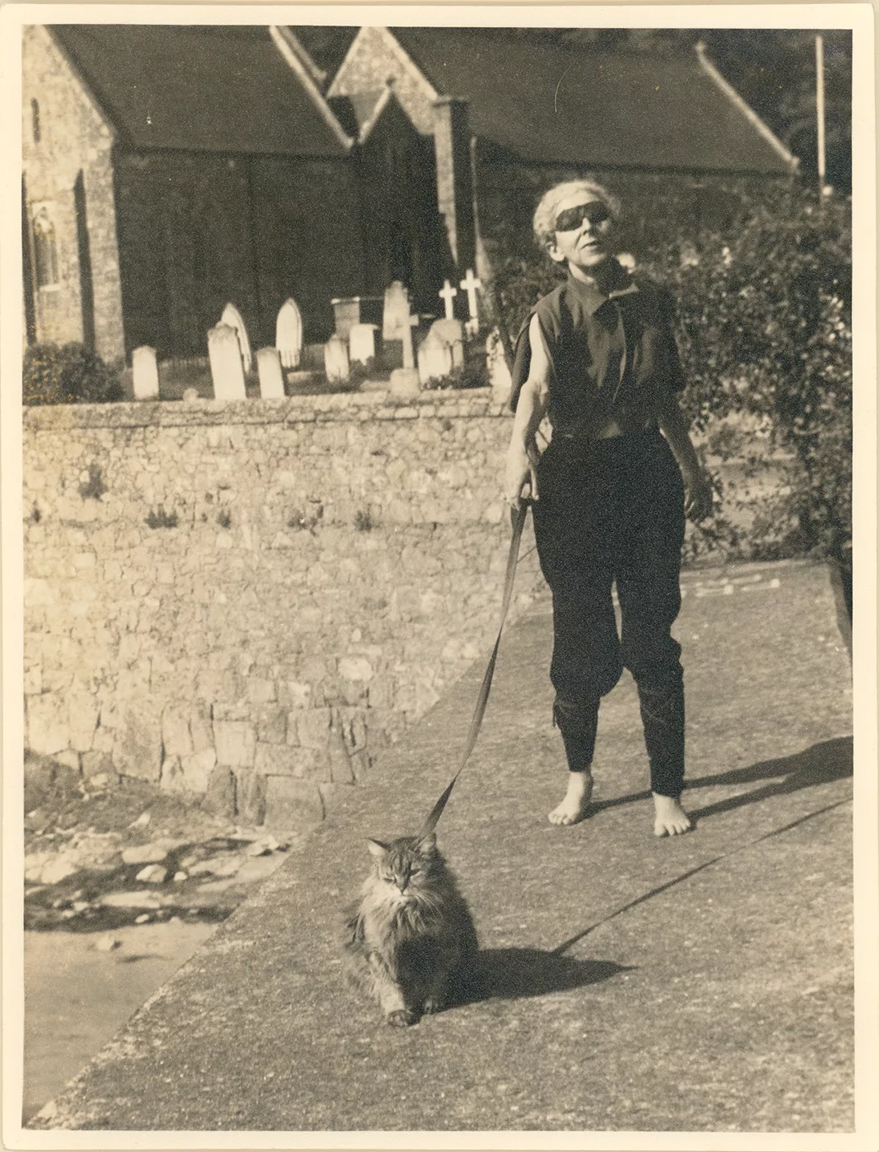
Untitled (Cahun walking the cat), Claude Cahun and Marcel Moore, 1948
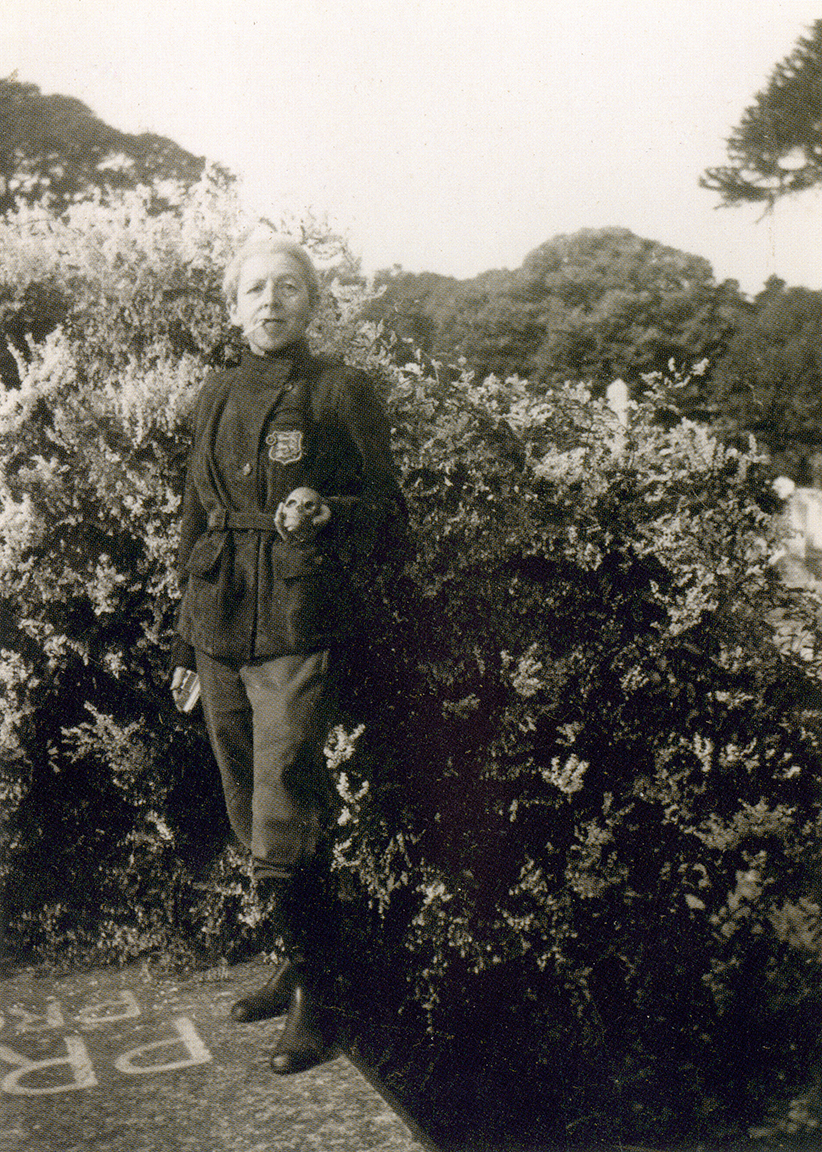
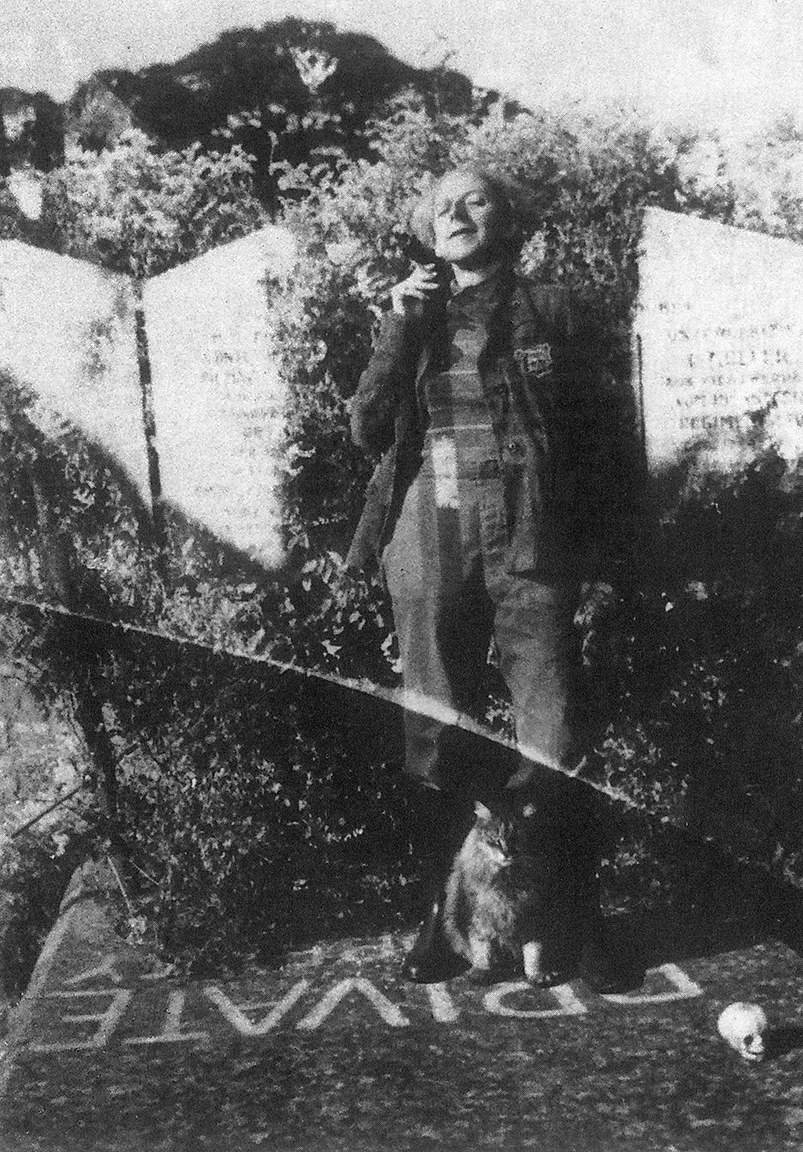
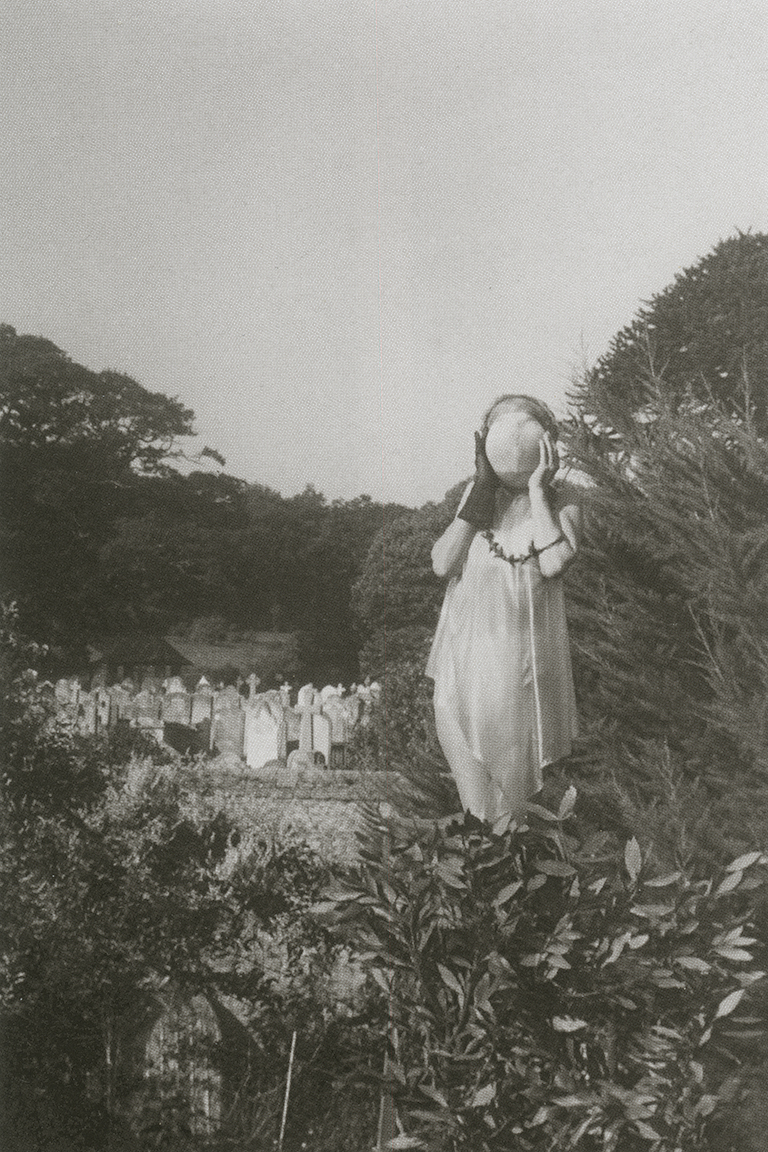
Untitled (Cahun in the cemetery), Claude Cahun and Marcel Moore, 1947.
These images, taken during the last period of Cahun’s life, are telling for me. As an older artist, I relate to these images of Cahun. I haven’t suffered war and occupation as Cahun and Moore did, or fragile health as Cahun did. Yet, still, I relate to their often-tender observances of a life/lives (well lived) that happen with age: their joys, tragedies and triumphs. Cahun reappears as the Soldier Without a Name, smoking and grinning sardonically. Cahun walks their new cat, Nike, on a leash barefoot and blindfolded.She holds a blank mask up to her ghostlike figure in the cemetery. All these images feature the cometary as a backdrop (is this again a lingering symbolist strategy?).
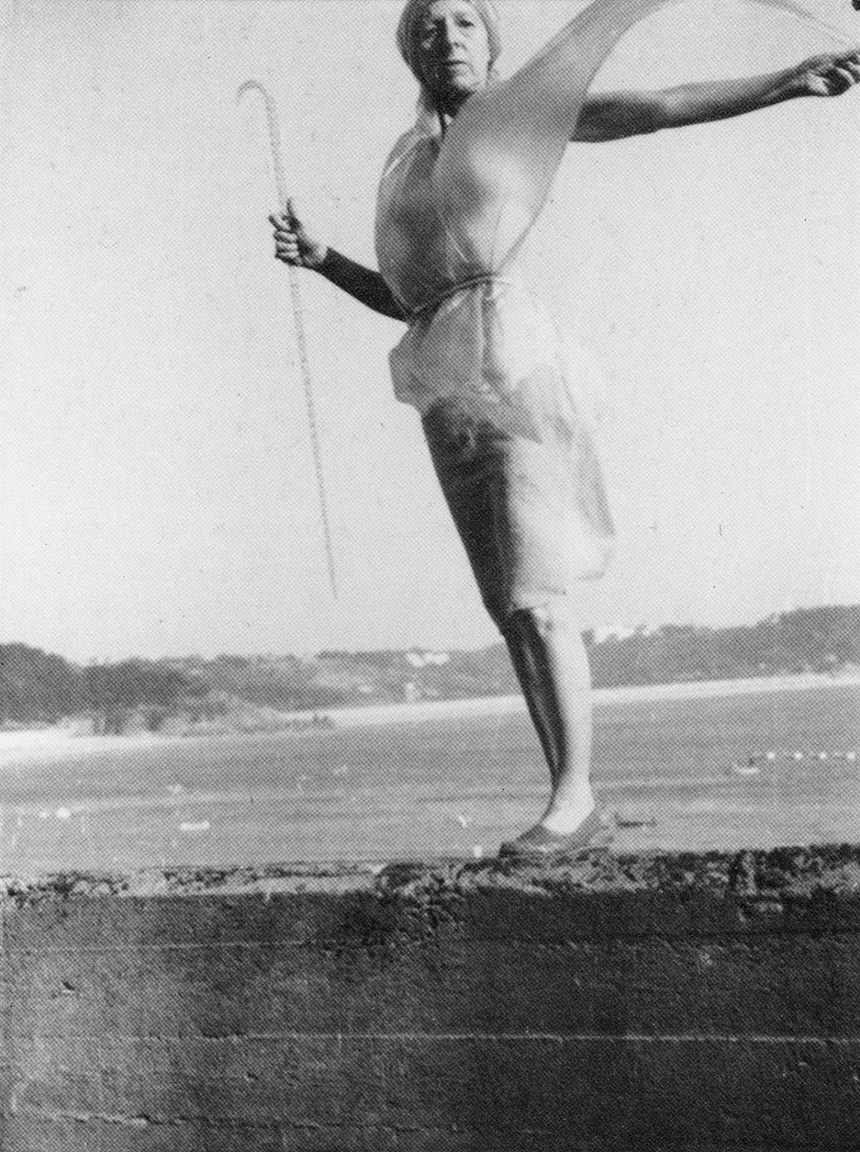
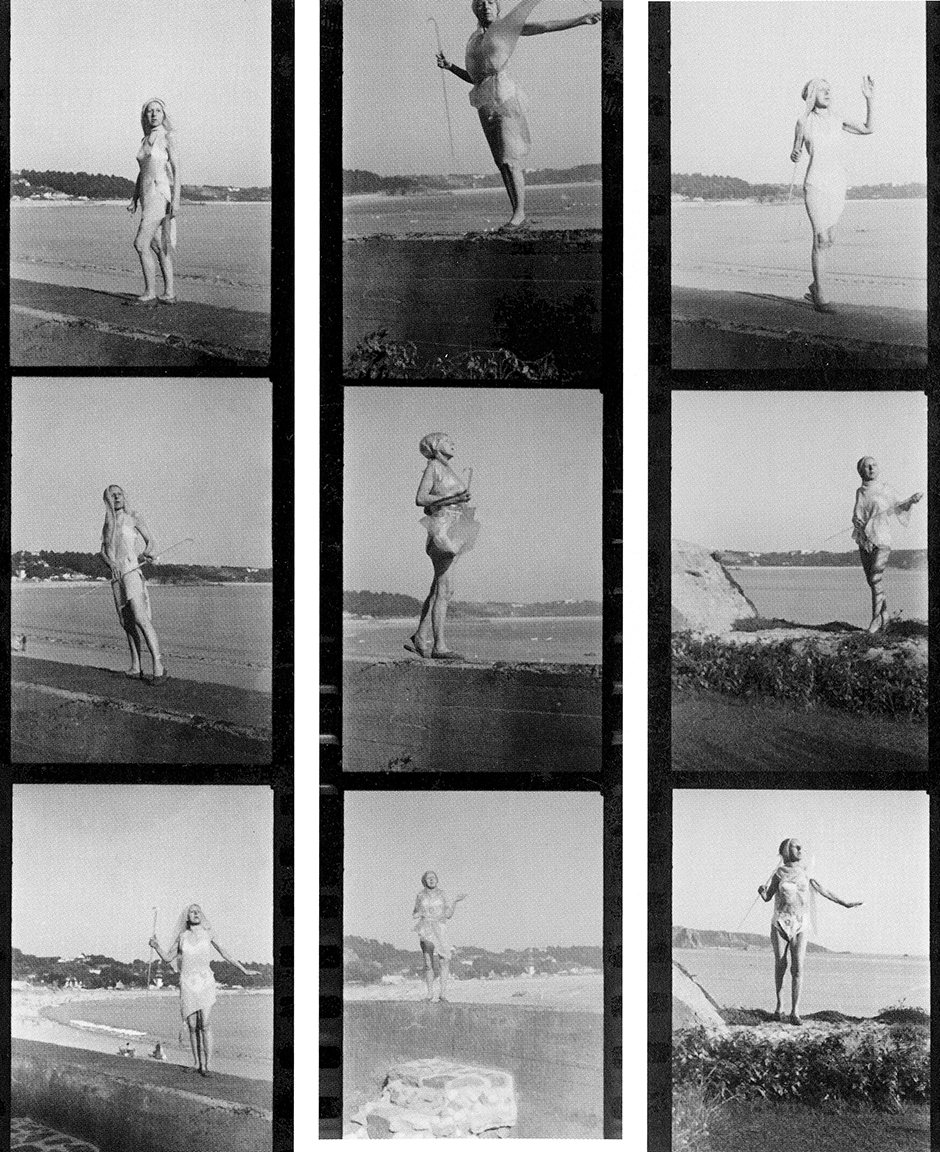
I love this series of images below, depicting Cahun walking along the sea wall with St. Brelade’s Bay in the background. She appears almost floating, free, unencumbered. Perhaps an elderly angel?
Untitled (Claude walking along the sea wall), Claude Cahun and Marcel Moore, 1947.
Untitled (Claude walking along the sea wall), Claude Cahun and Marcel Moore, 1947.
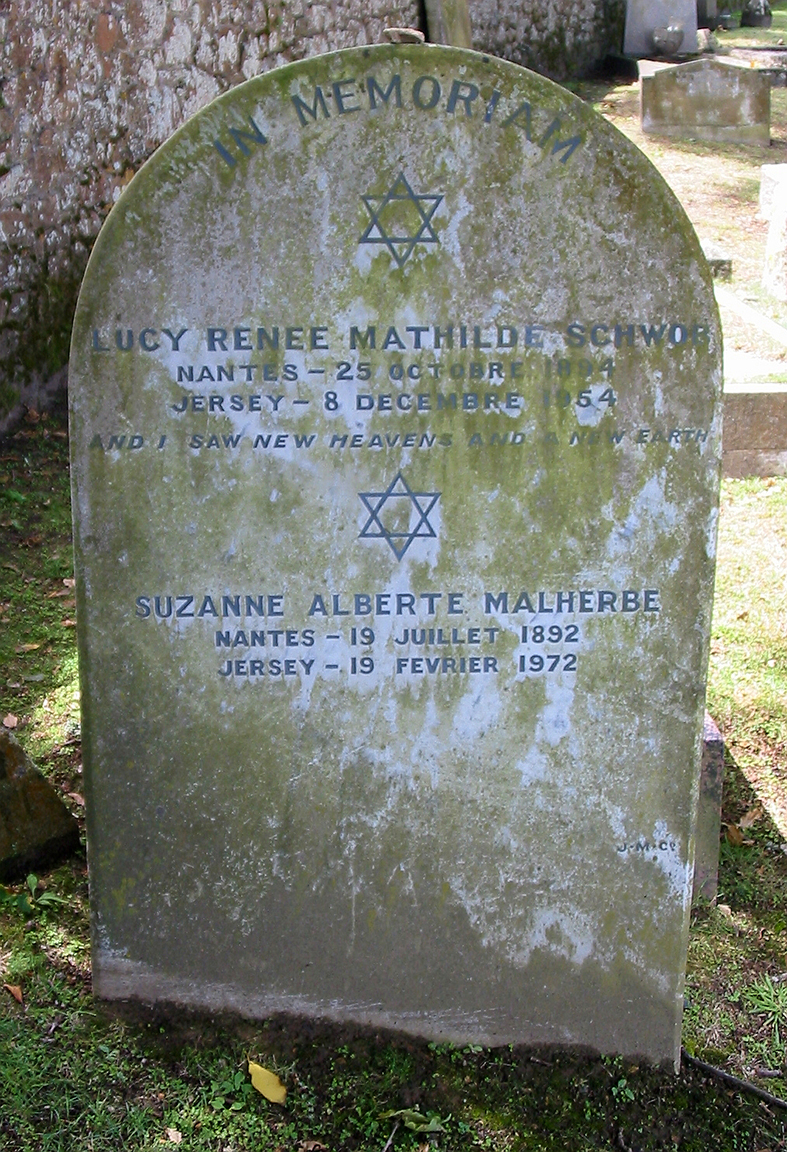
Still, Marcel and Claude kept thinking of Paris, their old friends and a chance for a more stimulating cultural life than the island afforded. In 1953, they traveled to Paris with the intention of reestablishing a life there. They stayed in their old neighborhood and met with old friends. Cahun became ill in Paris, so they had to give up these plans and return to Jersey. In the fall of 1954, Cahun’s health declined further and she was taken to the hospital in St. Helier. She died there on December 8, 1954. Claude was sixty years old. Marcel buried her in the cemetery on St. Brelade’s Bay. Moore later sold ‘the Farm without a Name’ and moved to another house on Jersey. Marcel died by suicide in 1972. She was eighty years old. Marcel is buried beside Claude. Suzanne and Lucy lie in rest together on St. Brelade’s Bay.
Gravestone at St. Brelade’s Parish Church Cometary
There is so much more to Claude and Marcel’s story, and to the details of how their lives and works have been recovered, rediscovered, collected, interpreted and represented.
Wish me luck on my pilgrimage to Jersey. I leave on February 2nd.
As a postscript, I would like to say that the images on these blog posts have been scanned from the various books I have collected about Cahun and Moore. The Jersey Heritage holds many of these images in their archive. I hope to gain permission to obtain high resolution digital copies of some of these images. I also recommend that interested readers get a copy of Jennifer L. Shaw’s biography Exist Otherwise: The Lives and Works of Claude Cahun. Unfortunately, the catalogue produced by the Jersey Heritage Trust, don’t kiss me: the art of Claude Cahun & Marcel Moore, edited by Louise Downie, is out of print. Gen Doy’s Claude Cahun: A Sensual Politics of Photography is also a fabulous resource.



 sherrywigginsblog